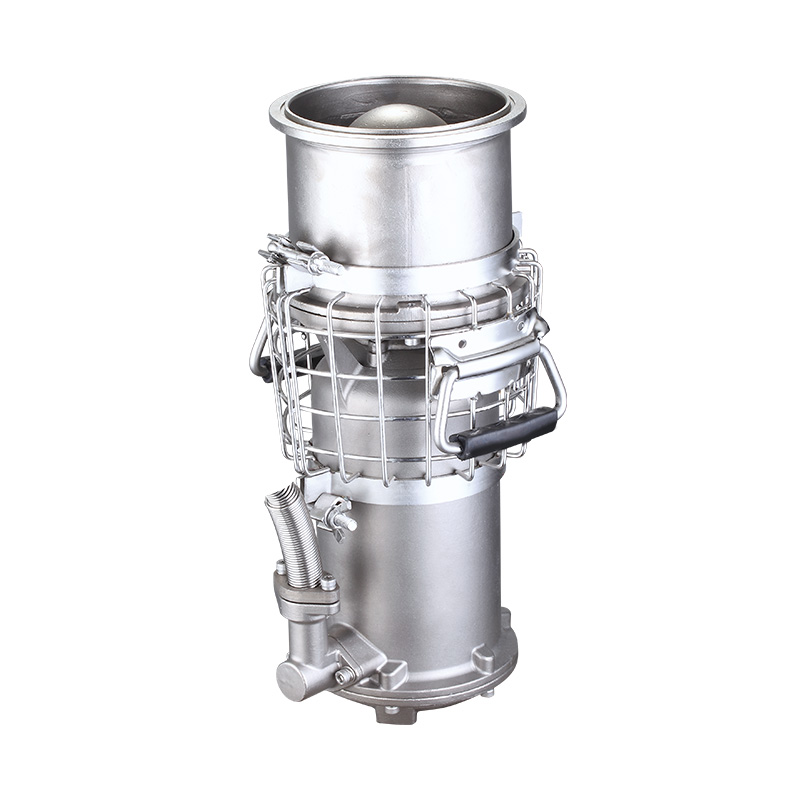
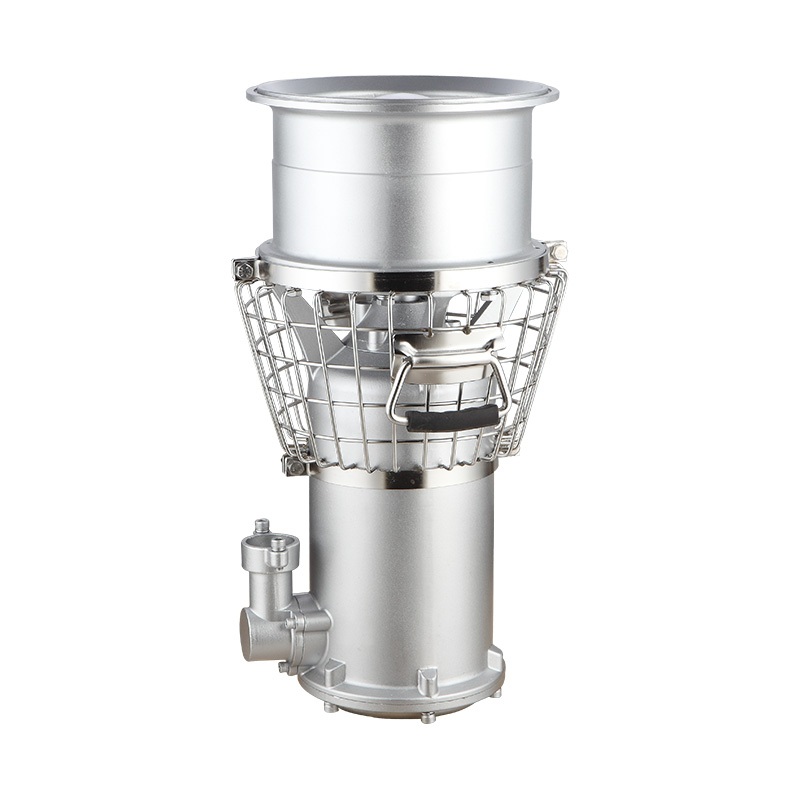
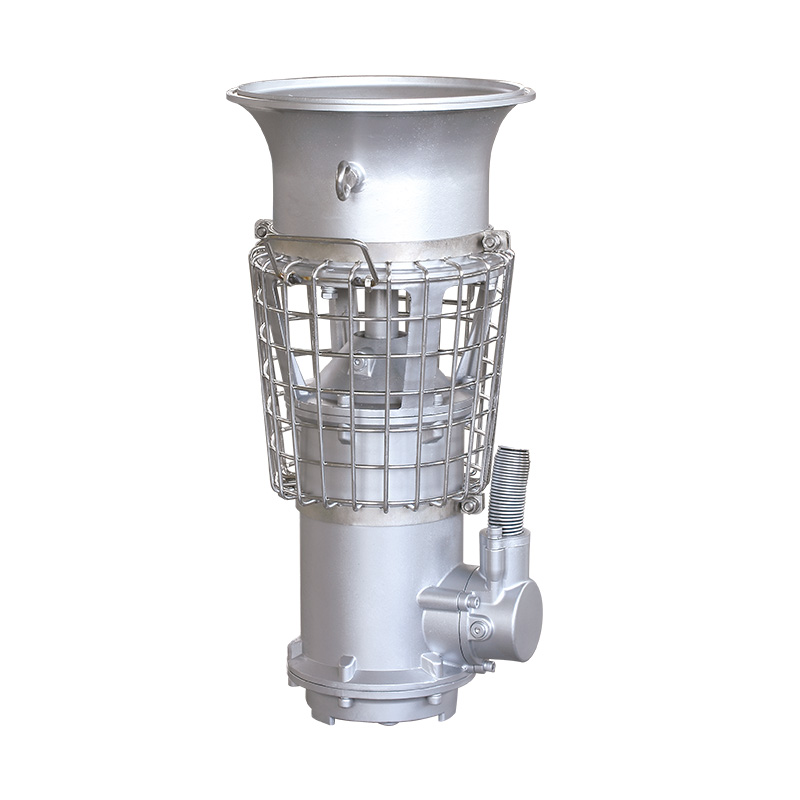
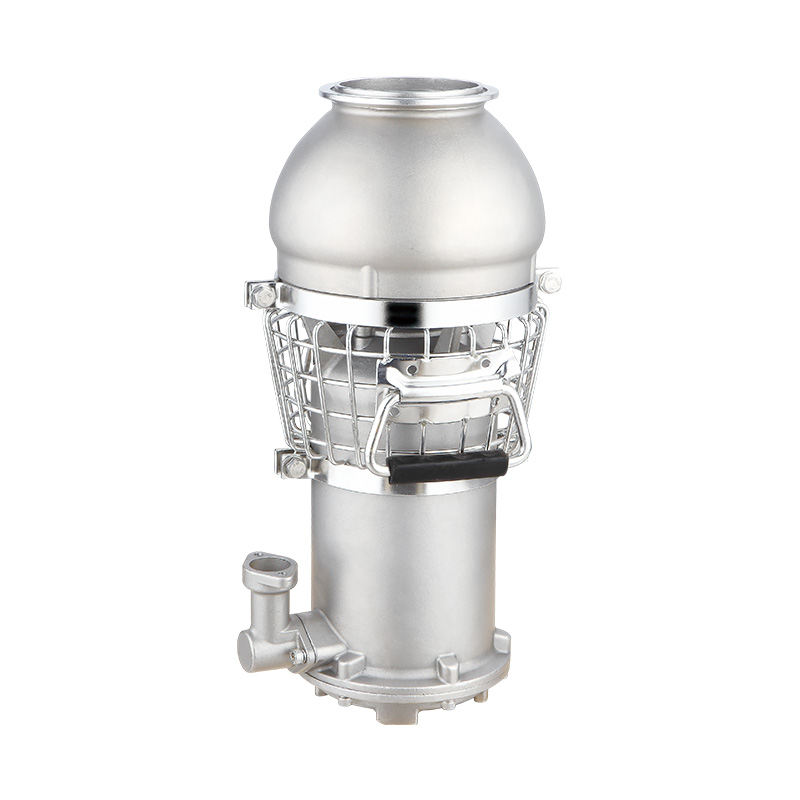
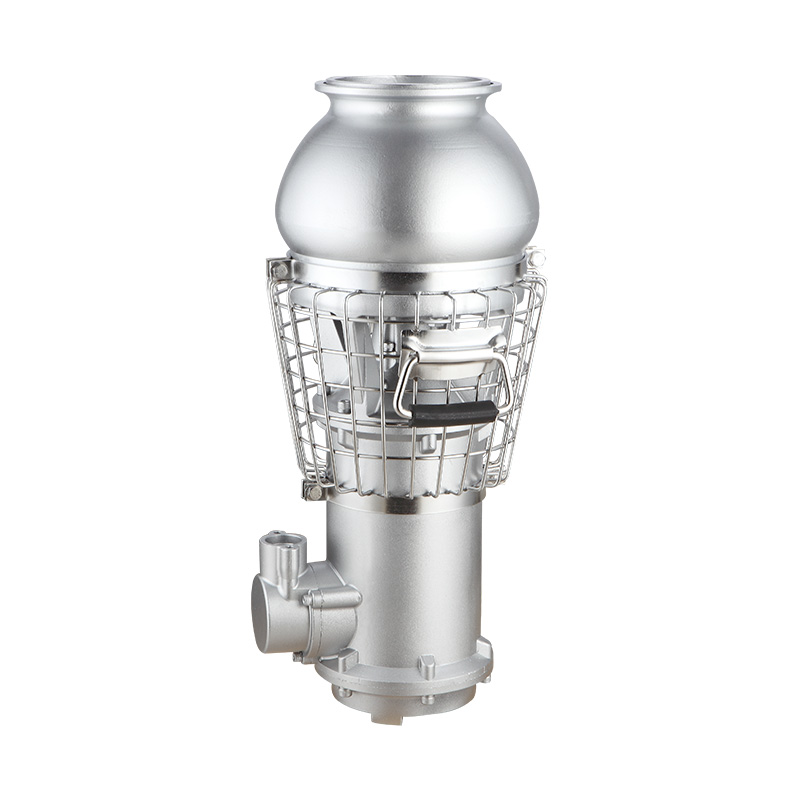
In industrial processing, combining materials and transferring them through a pipeline often need to happen as part of the same operation. However, not every material behaves in the same way during mixing and pumping. Differences in viscosity, particle content, flow characteristics, and processing requirements can influence equipment performance. For contractors, equipment distributors, and industrial buyers, selecting a suitable Mixer Pump means looking beyond motor power or general product specifications. The equipment needs to match the actual material and working conditions. Understanding these factors before purchasing can help reduce operating difficulties and improve process efficiency.

Material characteristics are the starting point for equipment selection. Thin liquids, cement-based mixtures, mortar, and other slurry materials have different flow behaviors and handling requirements.
A material with higher viscosity may require a different pumping arrangement from a low-viscosity liquid. Similarly, mixtures containing solid particles need consideration of particle size, concentration, and the possibility of settling or blockage.
Before requesting a quotation, buyers should prepare basic application information, including material composition, approximate viscosity, solid content, and required output. These details help manufacturers assess whether a particular Mixer Pump configuration is appropriate.
One important purchasing consideration is whether the equipment can maintain the required material consistency while transferring the mixture. In some applications, insufficient mixing may allow heavier particles to settle, resulting in uneven material delivery.
The mixing mechanism and pumping structure should therefore be evaluated together. Buyers need to understand how the equipment handles material circulation, how consistently it delivers the mixture, and whether the design suits continuous or intermittent operation.
A manufacturer should review the complete working process rather than recommend a machine based only on its pumping capacity.
The required flow rate is only one part of the selection process. Pipeline length, delivery height, pipe diameter, material resistance, and the number of bends can all influence the actual pumping conditions.
For example, a system operating over a longer distance may require different performance considerations from one transferring material over a short horizontal pipeline.
Buyers should communicate the expected delivery distance, vertical lift, pipeline arrangement, and target output when discussing a model. This helps avoid selecting equipment based on theoretical capacity that may not reflect actual site conditions.
The motor is an important part of a Mixer Pump because it provides the power required for mixing and material transfer. However, motor power should be evaluated alongside the mechanical structure, transmission arrangement, and expected workload.
A motor that is not properly matched to the application may experience unnecessary operating stress, particularly when handling demanding materials. Buyers should consider the intended duty cycle, power supply conditions, and operating environment.
As a manufacturer, reviewing these factors during model selection helps establish a more suitable relationship between motor performance and the equipment's working requirements.
Material buildup inside the mixing chamber, outlet, or pipeline can affect equipment operation. This is particularly relevant when processing mixtures that contain fine particles or begin to harden after standing.
A practical equipment design should consider access to areas that require cleaning and inspection. Operators should also follow suitable procedures for flushing the pipeline and cleaning material-contact components after use.
Before purchasing, buyers can ask about cleaning procedures, maintenance access, and recommendations for handling different material types. These details are especially important for contractors who move equipment between job sites.
Equipment selection should include consideration of long-term servicing. Wear parts, seals, connections, and other components may require inspection or replacement depending on material characteristics and operating frequency.
For distributors and industrial buyers, spare-part availability can influence equipment ownership costs and after-sales service arrangements. It is useful to confirm which components are considered routine maintenance items and whether replacement parts can be supplied separately.
A clear maintenance plan also helps operators identify developing problems before they cause extended interruptions.
Choosing suitable equipment requires a clear understanding of the material, mixing process, delivery conditions, motor requirements, and maintenance expectations. As Zhejiang Chuangmei Electromotor Co., Ltd., we recognize that different applications may require different equipment configurations rather than a single general-purpose solution. Overseas buyers should provide their material characteristics, pipeline layout, expected output, and working conditions when discussing a Mixer Pump. This application-focused approach helps manufacturers evaluate product suitability and allows buyers to make more informed decisions when sourcing equipment for construction and industrial processing.



 English
 عربى
 简体中文