Zhejiang Chuangmei Electromotor Co., Ltd.
The demand for more efficient, compact, and reliable motor solutions is increasing across industries such as automation equipment, HVAC systems, industrial machinery, electric transportation, and energy-saving applications. As companies continue upgrading their equipment, engineers and procurement teams are paying more attention to motor efficiency, control accuracy, operating stability, and long-term maintenance costs. At Zhejiang Chuangmei Electromotor Co., Ltd., we focus on developing advanced motor solutions as a professional Permanent Magnet Synchronous Motor manufacturer, helping global customers improve equipment performance through optimized motor design, precise manufacturing, and application-oriented engineering support.
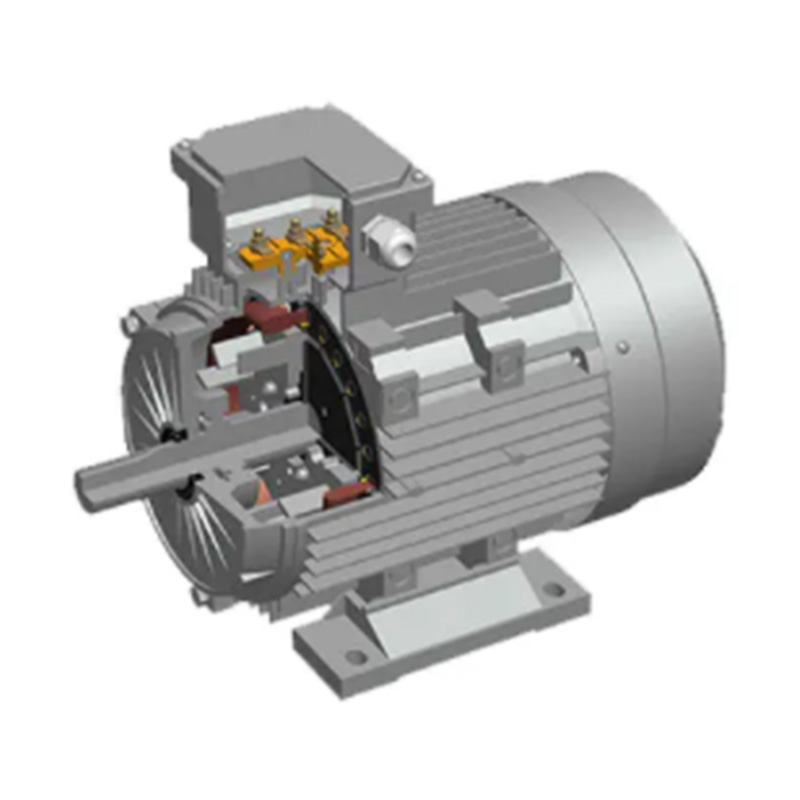
Traditional motor solutions have supported industrial development for many years, but modern applications require higher efficiency and better control performance. With increasing attention to energy management and smart manufacturing, companies are looking for motors that can deliver stable operation while reducing unnecessary energy consumption.
A Permanent Magnet Synchronous Motor (PMSM) uses permanent magnets in the rotor to generate magnetic fields, allowing the motor to achieve efficient power conversion and accurate speed control.
For industrial buyers, key advantages include:
These characteristics make PMSM technology suitable for equipment manufacturers seeking reliable solutions for next-generation products.
Choosing the right motor requires evaluating the complete operating environment rather than focusing on a single specification. Different applications may require different motor structures, control methods, and performance characteristics.
Important selection factors include:
Torque Requirements
Engineers need to consider starting torque, operating torque, and load changes to ensure the motor matches the equipment requirements.
Speed Control Performance
Precise speed regulation is important for automation systems and equipment that require stable operation.
Thermal Management
Effective heat control helps maintain motor performance during continuous operation, especially in applications with demanding working conditions.
At Zhejiang Chuangmei Electromotor Co., Ltd., we analyze customer application requirements to provide suitable motor configurations instead of offering one standard design for every project.
Many industries are exploring ways to improve equipment efficiency without changing their entire production systems. Upgrading the motor is often an effective approach because motors directly influence the performance of mechanical equipment.
PMSM solutions can support applications such as:
By improving motor efficiency and control accuracy, businesses can achieve more stable equipment operation and better resource management.
For international customers, selecting a motor supplier involves more than comparing product specifications. Manufacturing experience, quality management, and customization capability are important factors that influence long-term cooperation.
A professional motor manufacturer should provide:
These capabilities help customers reduce development difficulties and create products that better meet market expectations.
Different industries have unique requirements for motor performance. For example, automation equipment may require precise control, while industrial machinery may focus more on continuous operation and mechanical compatibility.
Customized motor solutions can involve:
Through close cooperation between manufacturers and customers, motor solutions can be better matched with actual operating environments.
The global shift toward intelligent manufacturing, energy-efficient equipment, and electrified transportation is creating new opportunities for advanced motor technologies. Companies are increasingly interested in motors that combine efficiency, controllability, and adaptability.
For businesses planning equipment upgrades or developing new products, choosing an experienced motor partner is an important step. As Zhejiang Chuangmei Electromotor Co., Ltd., we provide professional Permanent Magnet Synchronous Motor solutions for global customers. Through engineering expertise, manufacturing experience, and customized support, we help partners develop efficient and reliable motor systems that meet the changing needs of modern industrial applications.



 English
 عربى
عربى
 简体中文
简体中文
.jpg "DN200 Aluminum Alloy Flood Control Pump")