In today’s fast-evolving construction industry, efficiency, quality, and worker comfort are top priorities. Tools such as the Electronic Frequency Conversion Low Noise Concrete Vibrator are gaining attention for their ability to deliver precise vibration while minimizing disruptive noise. Likewise, the ZN Series Handheld Concrete Vibrator has become a preferred solution for operators who require flexibility and control on site. Across global construction forums, LinkedIn groups, and YouTube tutorials, professionals are discussing the advantages of these devices, highlighting how they contribute to smoother concrete placement, safer operation, and enhanced productivity.
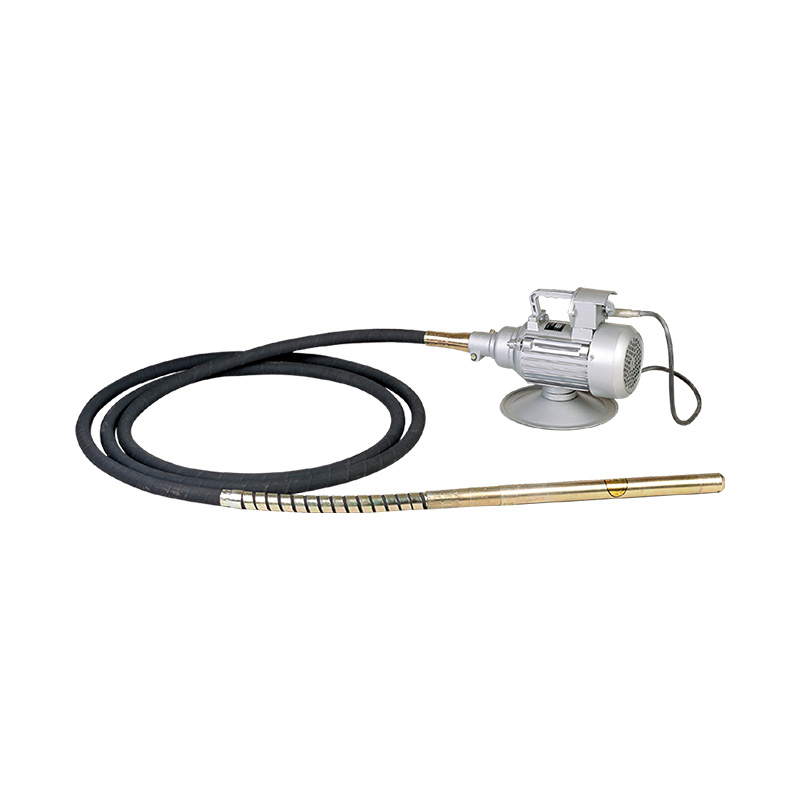
Urban construction projects face unique challenges, including noise restrictions and high-density work environments. Low noise concrete vibrators allow contractors to operate efficiently without disturbing surrounding communities or exceeding regulatory limits. Feedback shared on international construction platforms emphasizes that quieter tools reduce stress for operators and neighbors alike. Handheld vibrators such as the ZN Series further enhance usability in constrained spaces, where precision and noise control are equally important.
Concrete vibration quality directly impacts durability and finish. Electronic frequency conversion allows operators to adjust vibration speed to match different concrete types and pouring conditions. This adaptability helps eliminate air pockets and prevents honeycombing, resulting in stronger, smoother surfaces. On online forums, contractors frequently exchange tips on combining stationary and handheld vibrators to achieve uniform compaction across large slabs and hard-to-reach areas, demonstrating the practical advantages of using these advanced tools together.
Operator fatigue and comfort are critical considerations on busy job sites. The ZN Series Handheld Concrete Vibrator features ergonomic handles, balanced weight distribution, and easy-to-use controls. Professionals often highlight that such design improvements allow for longer operational periods with minimal strain. Meanwhile, low noise frequency conversion units complement this by reducing auditory stress and enabling continuous work without creating a disruptive environment, enhancing overall workflow efficiency.
What Global Construction Trends Are Influencing Vibrator Adoption?
Across Asia, Europe, and North America, contractors are adopting smarter tools to meet evolving quality and safety standards. Social media discussions, construction blogs, and virtual expos showcase equipment innovations, emphasizing how frequency conversion technology and portable handheld units improve project outcomes. Users often note reduced maintenance requirements and energy efficiency as additional benefits, making these vibrators attractive investments for both large-scale and small-scale construction projects.
Safety is a top concern for operators and managers alike. Well-designed vibrators include insulated shafts, reliable motor protection, and anti-slip grips to prevent accidents. Handheld units allow controlled application of vibration in sensitive areas, minimizing the risk of over-vibration or structural damage. Online tutorials and user-generated videos provide guidance on safe usage, ensuring that both novices and experienced professionals can operate the devices effectively and securely.
Integrating Electronic Frequency Conversion Low Noise Concrete Vibrator and ZN Series Handheld Concrete Vibrator into daily workflows improves efficiency, reduces rework, and elevates concrete quality. Contractors worldwide increasingly recognize that these tools not only enhance compaction but also streamline operations, improve safety, and reduce labor intensity. Social media case studies highlight how projects are completed faster and with better structural outcomes, underscoring the critical role of advanced vibration technology in modern construction practices. These devices continue to set new standards in quality, precision, and operator satisfaction, making them essential for any forward-thinking construction operation.



 English
 عربى
عربى
 简体中文
简体中文
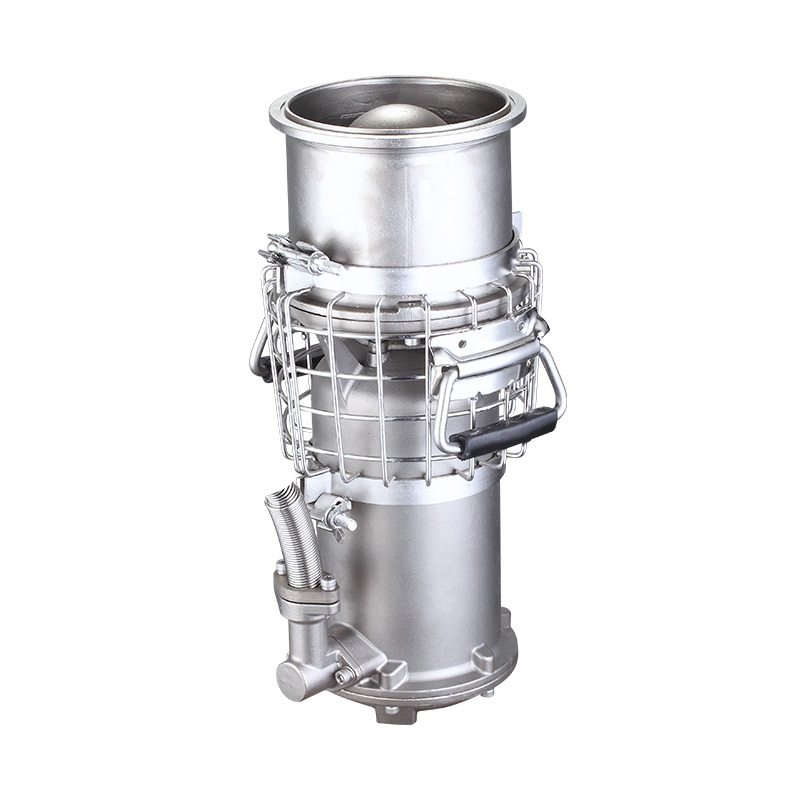
.jpg "DN200 Aluminum Alloy Flood Control Pump")