Across global construction communities, discussions around efficiency, durability, and worker well-being continue to rise. Among the tools gaining significant attention are the Electronic Frequency Conversion Low Noise Concrete Vibrator and the ZN Series Handheld Concrete Vibrator. Professionals on international platforms—from LinkedIn construction groups to large industry subreddits—highlight these tools as essential upgrades for achieving consistent compaction while ensuring a more comfortable and controlled working experience. As construction demands evolve, both devices are shaping new expectations for modern job sites.
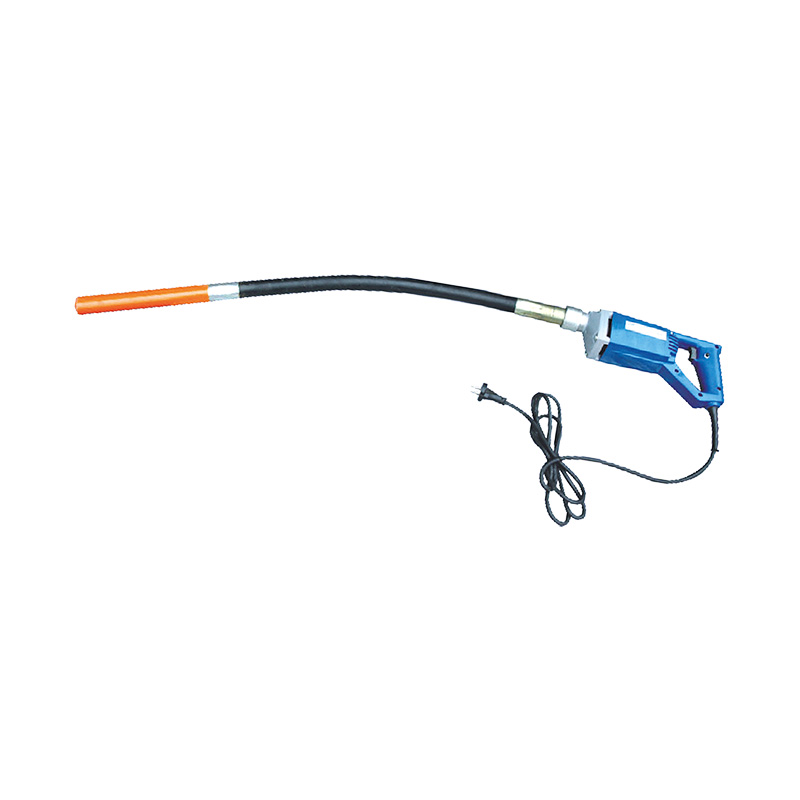
Construction teams increasingly focus on uniformity and structure performance. Frequency-conversion vibrators allow operators to adapt vibration intensity according to material thickness and mix conditions. This controlled customization minimizes air gaps, reduces surface defects, and supports stronger concrete curing. Contractors who share hands-on insights online consistently emphasize that adjustable vibration output leads to better finishing outcomes, even for large pours or highly reinforced structures.
In cities where noise regulations intensify each year, quieter machinery is no longer optional—it is strategic. Low-noise concrete vibrators provide powerful performance while maintaining a more acceptable acoustic level for operators and surrounding residents. Many international job sites report better communication among workers and reduced fatigue when low-noise equipment is used. This aligns with broader trends across Europe and the U.S., where minimizing noise pollution has become an important factor in winning project approvals.
The ZN Series Handheld Concrete Vibrator stands out in discussions about mobility and flexibility. Contractors appreciate its ease of handling in confined spaces such as narrow columns, slabs with dense rebar, and elevated platforms. Its lightweight form helps reduce operator strain during long shifts, making it especially valuable for crews working on multi-level building projects. In online tool reviews, professionals often highlight that handheld vibrators eliminate the need for complex setups, accelerating workflow and reducing idle time.
As digital construction tools become mainstream, there is a growing push for equipment that complements this transformation. Frequency conversion vibrators support consistent performance, allowing engineers to better predict curing quality and structural results. This reliability aligns with modern construction management software, which increasingly requires accurate field data. The integration of smart equipment into digital systems ensures better planning, fewer corrections, and smoother project progression.
On global contractor forums, durability remains one of the most discussed features when selecting concrete vibrators. The new generation of frequency conversion motors is designed to handle extended operation with reduced heat buildup, allowing for longer work cycles. At the same time, the rugged structure of handheld vibrators helps them withstand harsh site conditions while keeping maintenance needs low. These qualities address one of the major concerns expressed by contractors—minimizing downtime and ensuring continuity during critical pour hours.
A growing number of construction companies are recognizing how ergonomics directly affects project speed and worker retention. Low noise tools and lightweight handheld options significantly reduce physical stress. Operators report better focus, smoother control, and higher accuracy when using equipment designed to support natural movement. As labor shortages remain a global issue, companies that invest in operator comfort often see stronger performance and improved job satisfaction.
The construction industry is steadily moving toward smarter, safer, and more adaptable equipment choices. Tools such as the Electronic Frequency Conversion Low Noise Concrete Vibrator and the ZN Series Handheld Concrete Vibrator represent a shift toward technology-driven efficiency and better overall working conditions. Their growing popularity across international markets demonstrates how contractors value precision, comfort, and reliability. As these tools continue influencing modern construction practices, they are expected to remain central to achieving high-quality structures and streamlined workflows in an increasingly demanding industry.



 English
 عربى
عربى
 简体中文
简体中文
.jpg "DN200 Aluminum Alloy Flood Control Pump")