Zhejiang Chuangmei Electromotor Co., Ltd.
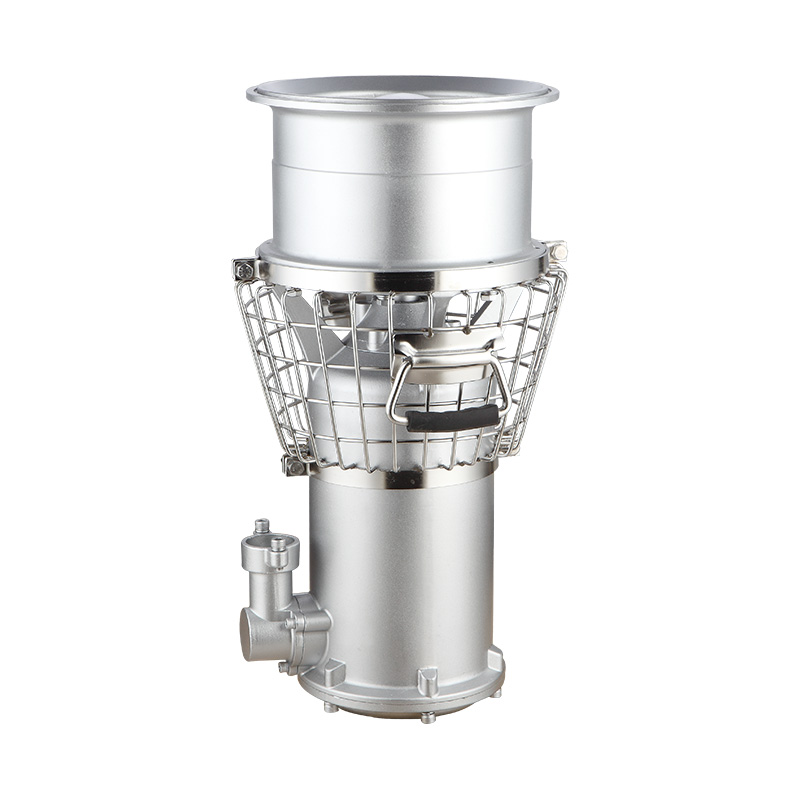
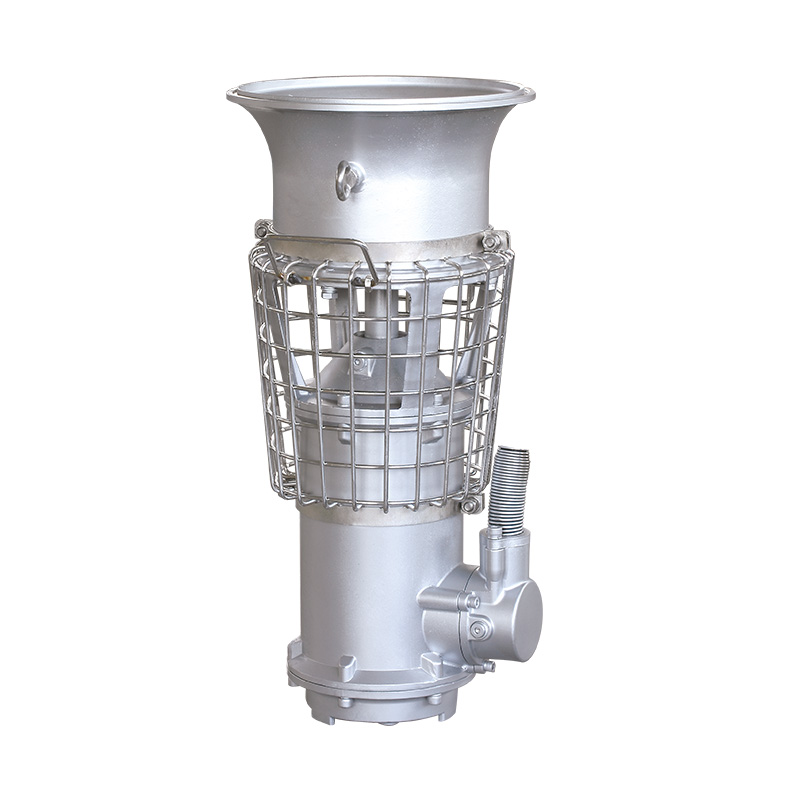
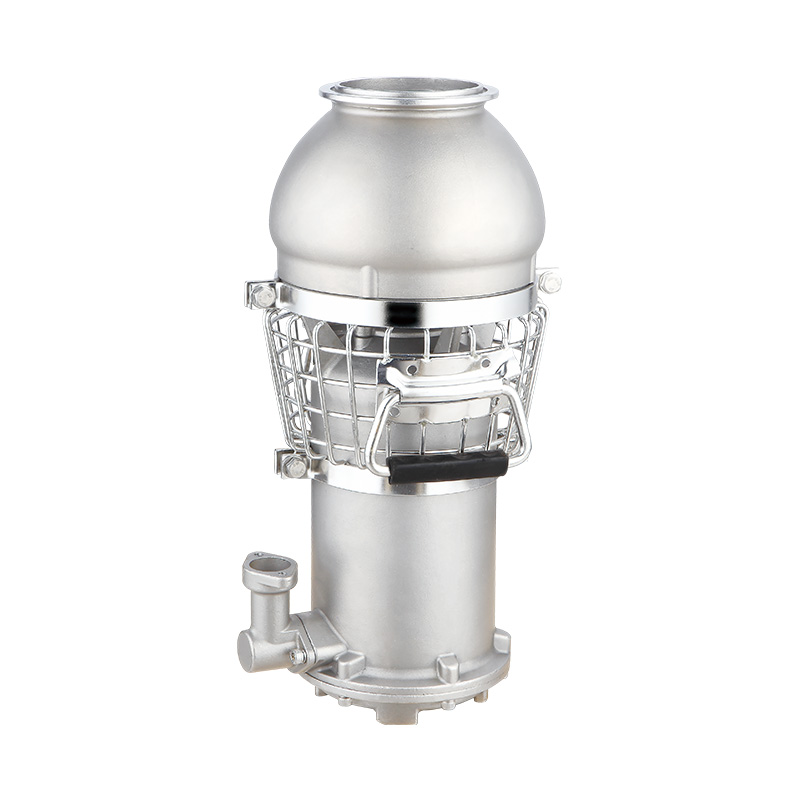
Extreme weather events are encouraging municipalities, contractors, industrial facilities, and emergency response teams to rethink how they prepare for unexpected flooding. Instead of purchasing equipment only for peak flow rates, buyers are increasingly evaluating mobility, energy efficiency, rapid deployment, and maintenance requirements. As a manufacturer of Permanent Magnet Flood Control Pump solutions, we have seen procurement priorities shift toward equipment that delivers dependable performance across a wider range of emergency situations rather than a single operating condition.
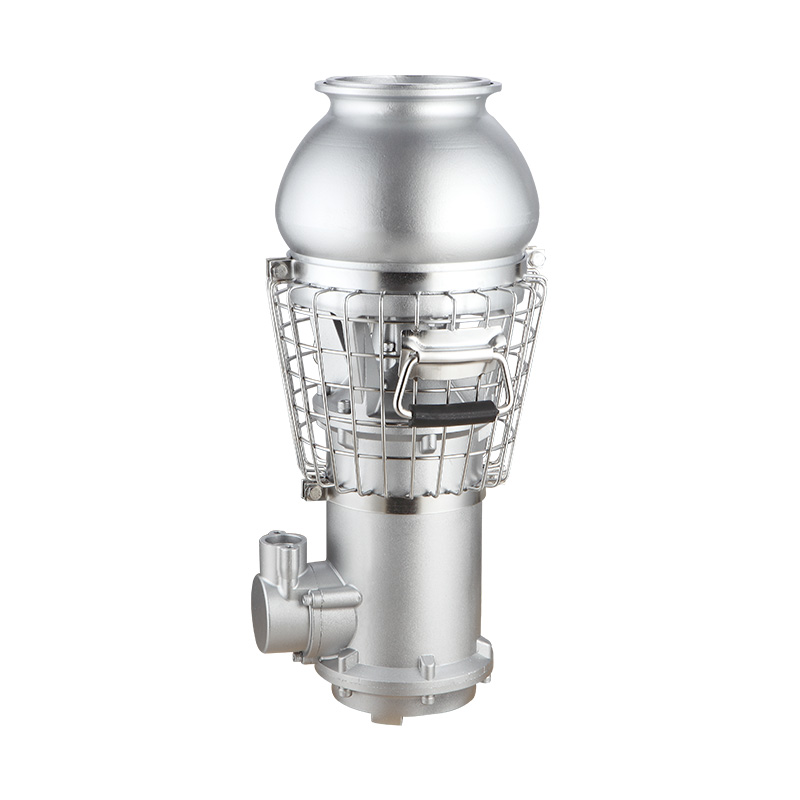
Flood response projects today involve more than moving water from one location to another. Pumps may need to operate in urban streets, underground parking structures, construction sites, agricultural fields, or temporary drainage stations. Each environment presents different challenges.
Before selecting equipment, many engineering teams now ask questions such as:
These practical considerations often influence purchasing decisions as much as hydraulic performance.
One reason permanent magnet technology has attracted growing attention is its ability to support efficient motor operation across varying workloads. During emergency pumping, operating conditions often change as water levels rise or fall.
Compared with conventional motor designs, a Permanent Magnet Flood Control Pump can provide several operational advantages:
For emergency response organizations, these characteristics contribute to more flexible field operations without adding unnecessary system complexity.
Recent discussions across engineering forums and infrastructure projects show increasing interest in portable flood-control equipment. Emergency teams often need to relocate pumps several times during a single flooding event.
As a manufacturer, we focus not only on hydraulic design but also on practical field usability, including:
These details help reduce setup time while improving operational efficiency when every minute matters.
Many pump failures during emergency operations are not caused by the hydraulic system but by insufficient preparation or improper equipment selection.
A complete procurement evaluation should include:
Mechanical Design
Choose corrosion-resistant materials suitable for local water conditions and expected operating environments.
Motor Protection
Verify that electrical components are protected against moisture, dust, and temporary outdoor exposure.
Maintenance Accessibility
Critical wear parts should be easy to inspect and replace without complicated disassembly.
Spare Parts Availability
Reliable manufacturers should maintain consistent component supply throughout the product lifecycle.
Considering these factors early can help reduce unexpected downtime during actual flood response.
Selecting flood-control equipment is rarely a one-time purchase. Municipal projects, rental companies, and engineering contractors often require ongoing technical cooperation.
As an experienced manufacturer, we support customers throughout the project by providing:
This collaborative approach helps customers integrate pumping equipment into long-term emergency preparedness plans instead of treating it as a standalone product.
Flood management strategies continue to evolve as weather patterns become less predictable. Buyers are increasingly seeking equipment that balances efficiency, mobility, reliability, and long service life rather than focusing on a single specification.
Whether the application involves municipal drainage, industrial facilities, construction projects, agricultural irrigation recovery, or emergency rescue operations, choosing equipment designed for practical deployment can improve overall project readiness. Working with an experienced Permanent Magnet Flood Control Pump manufacturer also provides valuable engineering support throughout procurement, customization, and future maintenance, helping organizations build more resilient flood-response systems for the years ahead.



 English
 عربى
عربى
 简体中文
简体中文
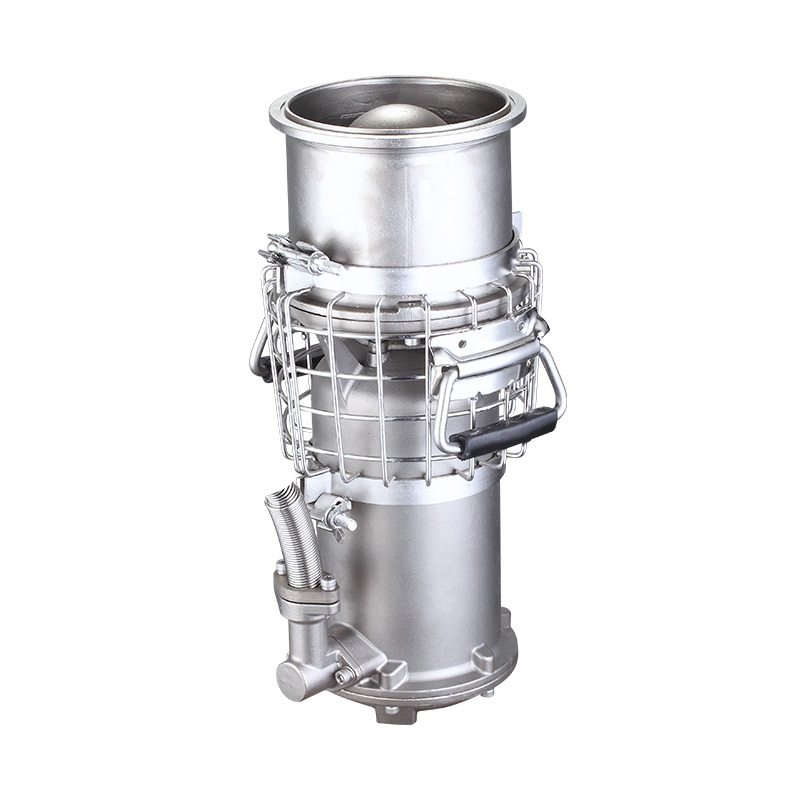
.jpg "DN200 Aluminum Alloy Flood Control Pump")