Zhejiang Chuangmei Electromotor Co., Ltd.
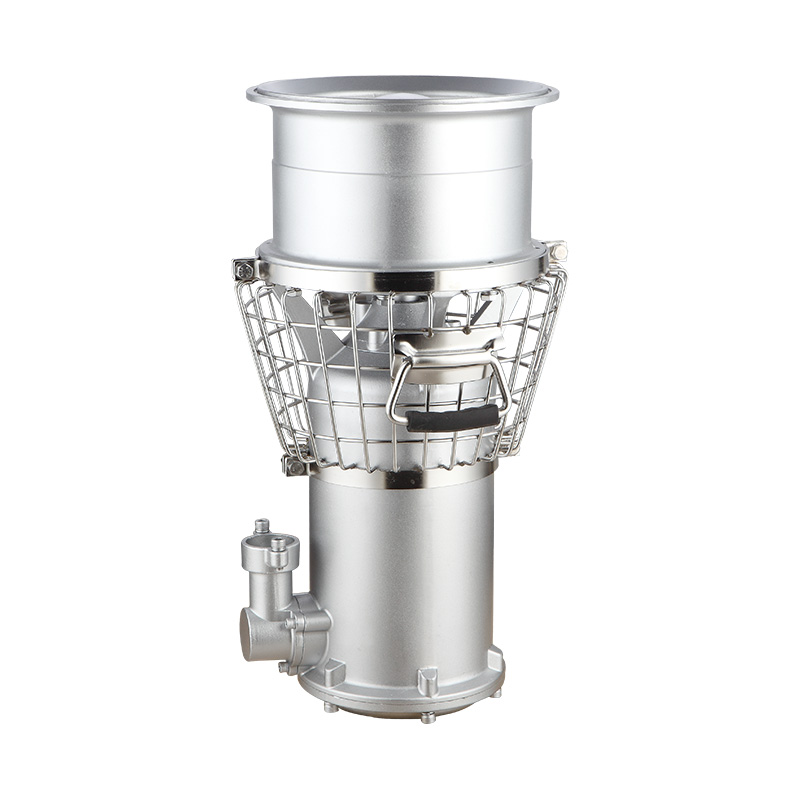
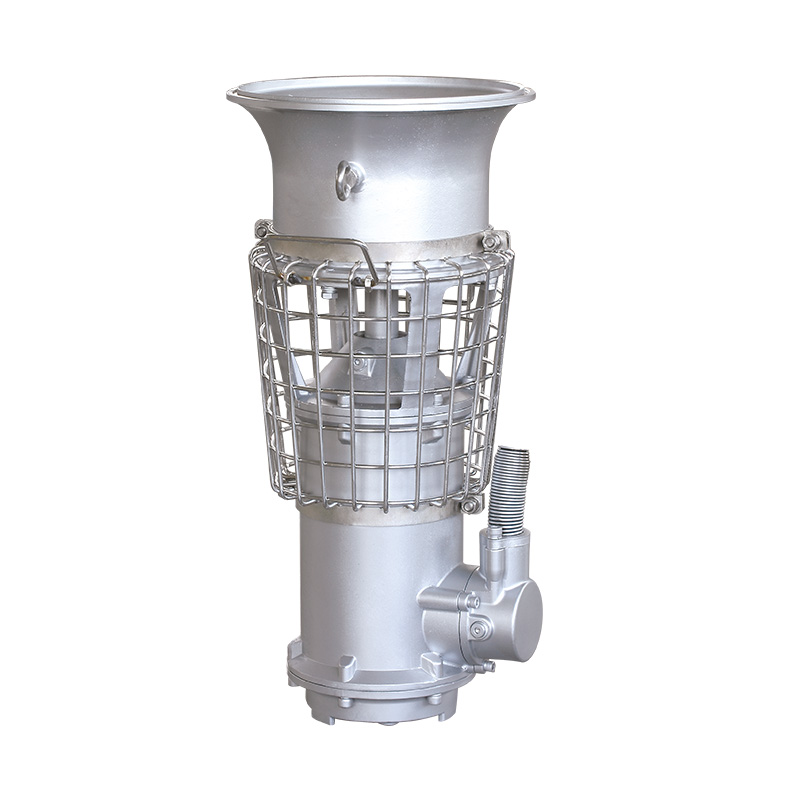
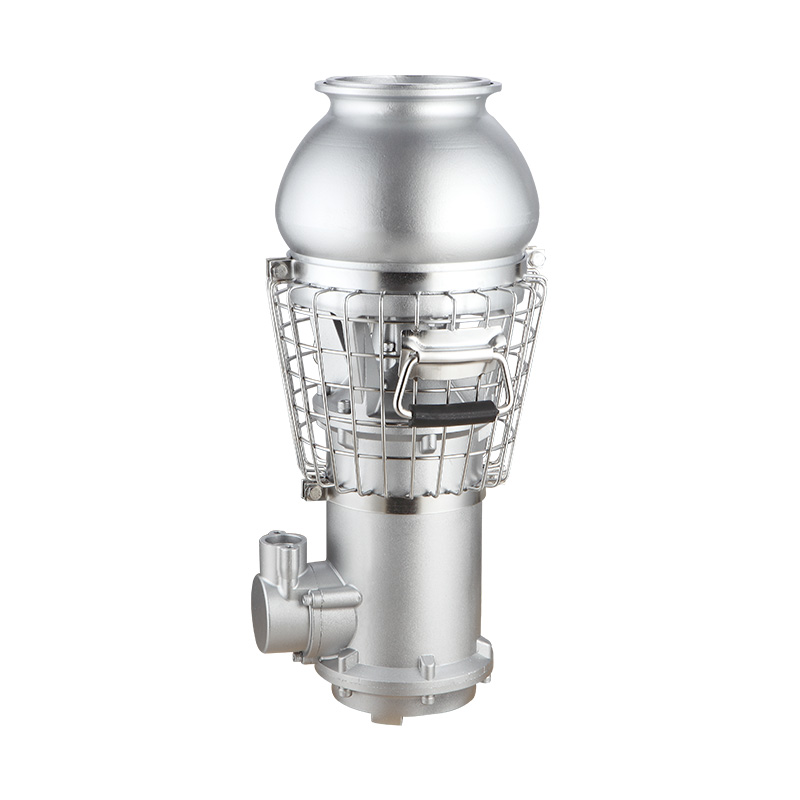
Extreme rainfall, flash floods, and urban drainage pressure have become common concerns for municipalities, industrial parks, construction sites, and emergency response teams. As infrastructure resilience becomes a global priority, buyers are actively searching for a Permanent Magnet Flood Control Pump that offers reliable performance, rapid deployment, and lower energy consumption during emergency operations. Recent discussions across engineering communities and water management forums show growing interest in portable flood drainage pumps, high-efficiency permanent magnet motor technology, smart emergency pumping stations, and low-maintenance flood control equipment. Today's procurement decisions are driven less by maximum flow alone and more by operating efficiency, mobility, system reliability, and lifecycle cost.
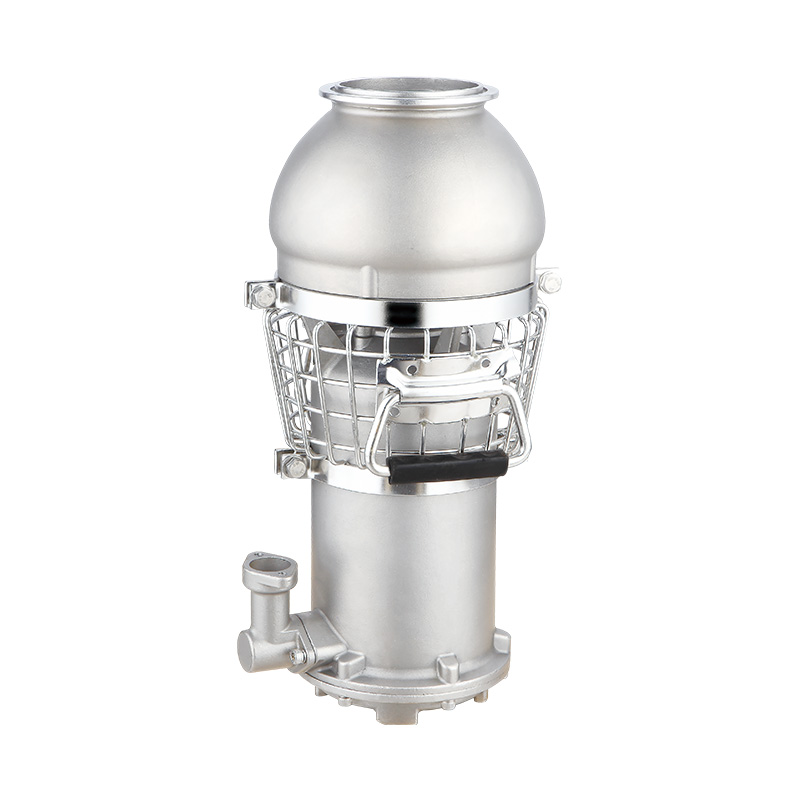
During flood emergencies, pumps often operate continuously for many hours. An inefficient motor not only increases electricity consumption but also generates more heat, reducing system stability over extended operation.
Permanent magnet motors are attracting attention because they maintain higher efficiency across a wider operating range, especially when water levels and pumping demand change throughout a flood event. Stable efficiency also reduces unnecessary energy waste during partial-load operation.
Flood response equipment is increasingly expected to be deployed quickly across different locations rather than remaining permanently installed.
Procurement teams are looking for equipment that supports:
Portable pumping solutions improve emergency response flexibility without sacrificing pumping capability.
Floodwater rarely contains clean water alone. Leaves, sand, mud, plastic waste, and other debris can quickly reduce pump efficiency or cause unexpected shutdowns.
Modern hydraulic design focuses on wider flow passages, optimized impeller geometry, and improved anti-clogging performance to reduce maintenance interruptions during critical operations.
Many cities are upgrading traditional pumping equipment with digital monitoring technologies that improve operational efficiency.
Important smart functions include:
These intelligent features allow operators to respond more quickly while reducing manual intervention during severe weather events.
Emergency drainage equipment cannot afford unexpected failures. Buyers increasingly evaluate long-term operational reliability rather than simply comparing equipment specifications.
As manufacturers, we pay close attention to motor thermal management, shaft sealing reliability, bearing durability, corrosion-resistant materials, and hydraulic balance to ensure stable operation during prolonged emergency drainage tasks.
Emergency equipment may remain on standby for months before being activated. Maintenance simplicity therefore becomes an important purchasing consideration.
Equipment designed with modular components, accessible inspection points, and standardized replacement parts allows maintenance teams to complete routine inspections more efficiently and reduce equipment downtime before the next deployment.
Pump performance depends not only on motor technology but also on manufacturing consistency. Every production stage contributes to long-term operational reliability.
Our manufacturing process includes precision machining of hydraulic components, permanent magnet rotor balancing, pressure sealing verification, corrosion protection treatment, performance testing, and full-load operational inspection before delivery. Every unit is evaluated to ensure dependable performance in demanding flood control applications.
As governments and industrial operators continue investing in resilient drainage infrastructure, selecting the right Permanent Magnet Flood Control Pump is becoming an essential part of emergency preparedness planning. A professionally engineered Permanent Magnet Flood Control Pump delivers efficient water removal, dependable continuous operation, and lower maintenance requirements, helping customers respond confidently to increasingly demanding flood management challenges.



 English
 عربى
عربى
 简体中文
简体中文
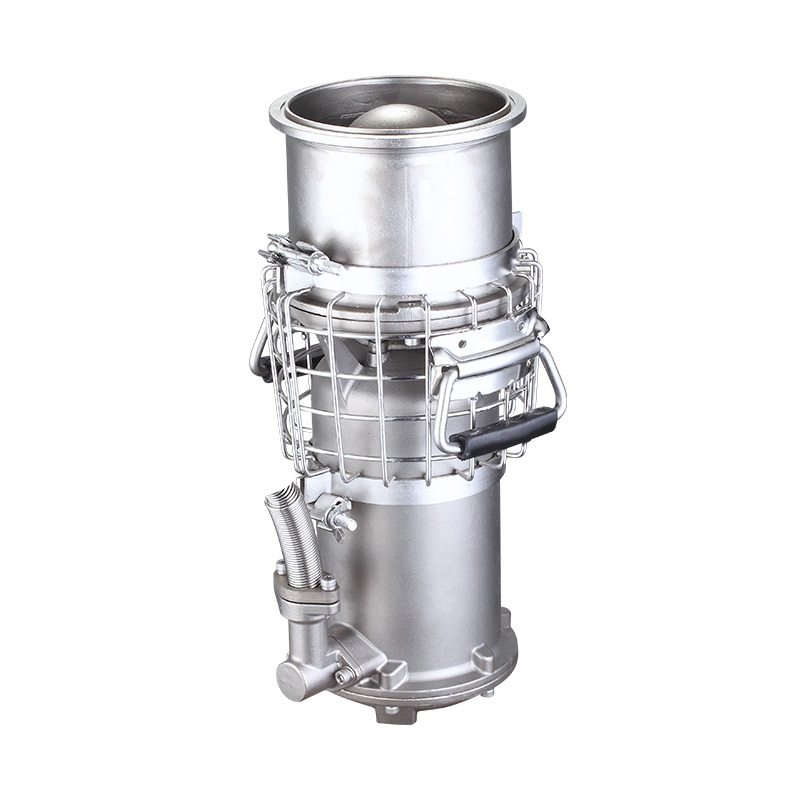
.jpg "DN200 Aluminum Alloy Flood Control Pump")