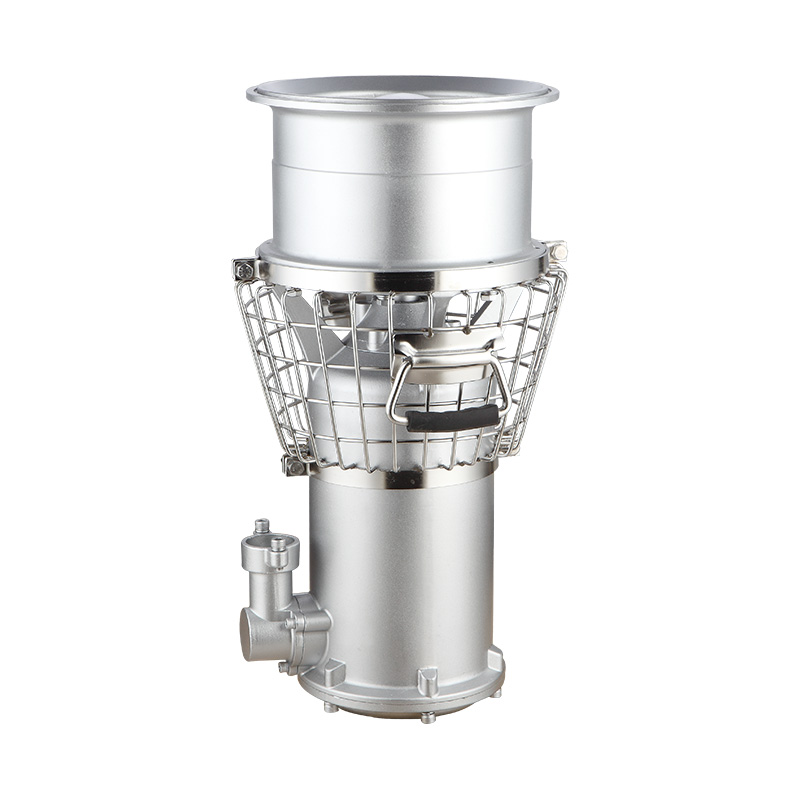
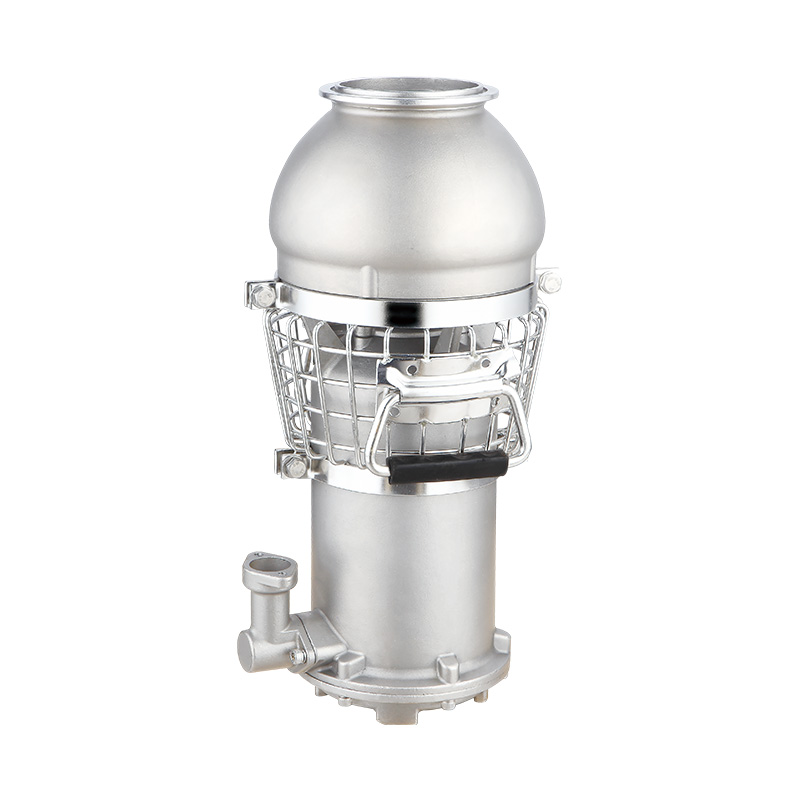
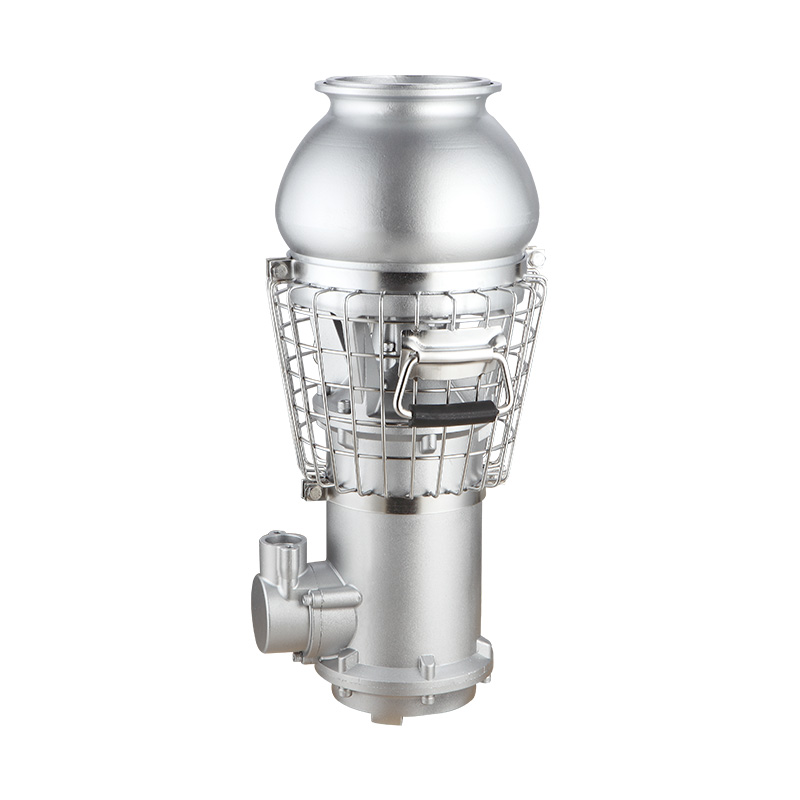
Flood resilience is becoming a practical priority for municipalities, contractors, facility operators, and industrial sites as water infrastructure faces increasingly complex emergency conditions. An Emergency Flood Control Pump is not simply a high-flow pumping device; its value depends on whether it can be transported, connected, started, and operated effectively when normal drainage systems are overwhelmed. Recent guidance from the U.S. EPA continues to emphasize flood preparedness, emergency response planning, backup pumping capacity, and resilience of critical water infrastructure.
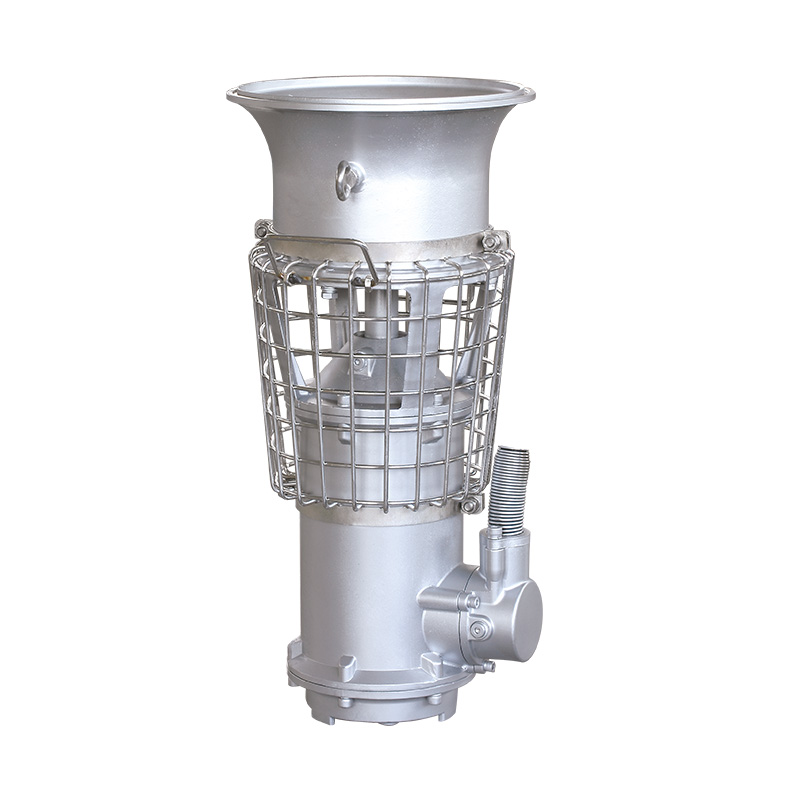
Pump selection should begin with the type of water that needs to be removed rather than the pump name alone. Basement flooding, stormwater accumulation, construction-site drainage, wastewater overflow, and emergency municipal response can involve different flow conditions and debris levels.
Before purchasing, engineering and procurement teams should clarify:
This basic assessment helps prevent a mismatch between pump capability and the actual operating environment.
Emergency pumping equipment is often needed in locations where permanent pumping infrastructure is unavailable or temporarily overloaded. A portable design can therefore be valuable for contractors, maintenance teams, municipalities, and industrial facilities that need to move equipment between different sites.
For manufacturers, portability involves more than reducing overall size. Frame design, lifting points, hose connections, controls, and transportation convenience all affect how quickly equipment can be positioned during an emergency. A practical portable flood pump should be designed around the complete deployment process rather than the pump body alone.
Flood events can also affect electrical infrastructure, creating an important procurement question: How will pumping continue if normal power is unavailable? EPA flood-resilience guidance specifically identifies maintaining pumping operations during grid outages as an important resilience consideration and discusses options such as backup generators, alternative power supplies, and diesel-driven or dual-option pumps.
For this reason, buyers should evaluate the relationship between the pump and its intended power source before placing an order. Matching motor requirements, starting characteristics, control systems, and backup power arrangements can improve emergency readiness.
Floodwater rarely has the same characteristics as clean water. Mud, sand, leaves, small debris, and other suspended materials may affect pump components during operation.
Material selection and internal flow-path design should therefore be considered according to the application. Manufacturers can evaluate casing materials, impeller construction, sealing arrangements, and wear-related components based on the expected water conditions. This is particularly relevant for equipment intended for repeated emergency deployment rather than occasional short-term use.
Emergency equipment is often stored for long periods before being required. That makes maintenance planning just as important as initial pumping performance.
A useful procurement checklist can include:
EPA resources also recommend maintaining access to temporary or replacement pumps and considering stock of specialized components for emergency response.
For organizations managing flood-prone facilities, one pump may not solve every situation. A more practical strategy can combine portable pumping equipment with drainage planning, backup power, temporary storage, and established emergency procedures.
This approach is especially useful for water utilities, construction companies, warehouses, factories, underground facilities, and property-management teams. Current water-resilience programs increasingly encourage risk-based planning and practical investment decisions rather than relying solely on post-flood recovery.
As a manufacturer, Zhejiang Chuangmei Electromotor Co., Ltd. understands that emergency pumping requirements vary according to site conditions, power availability, water characteristics, and deployment methods. Selecting an Emergency Flood Control Pump should therefore involve more than comparing catalog specifications. Technical communication before production can help overseas distributors, contractors, and engineering buyers identify suitable configurations and develop dependable pumping solutions for real emergency applications.



 English
 عربى
عربى
 简体中文
简体中文
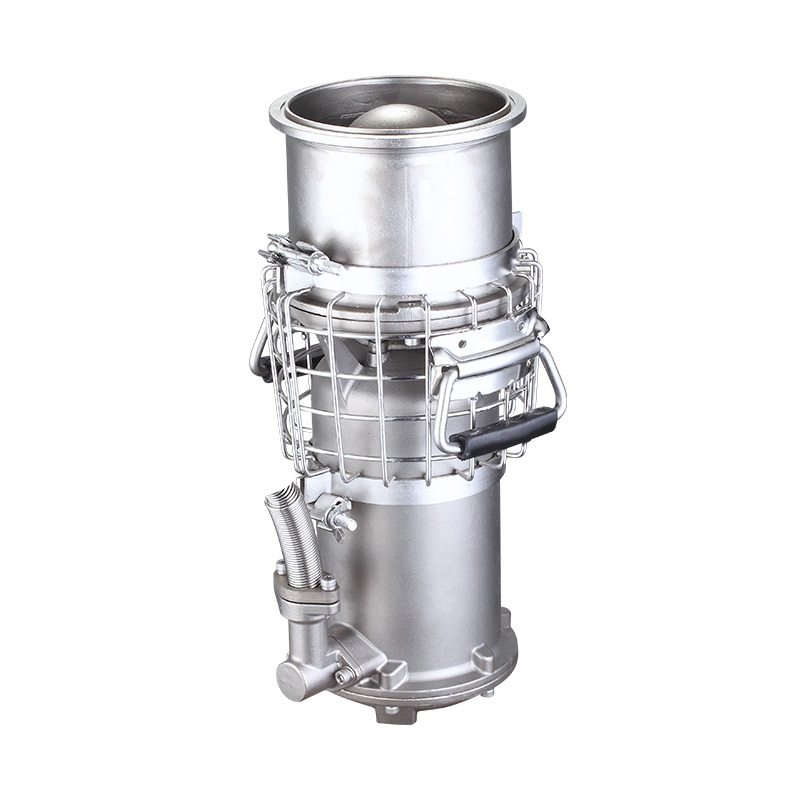
.jpg "DN200 Aluminum Alloy Flood Control Pump")