Zhejiang Chuangmei Electromotor Co., Ltd.
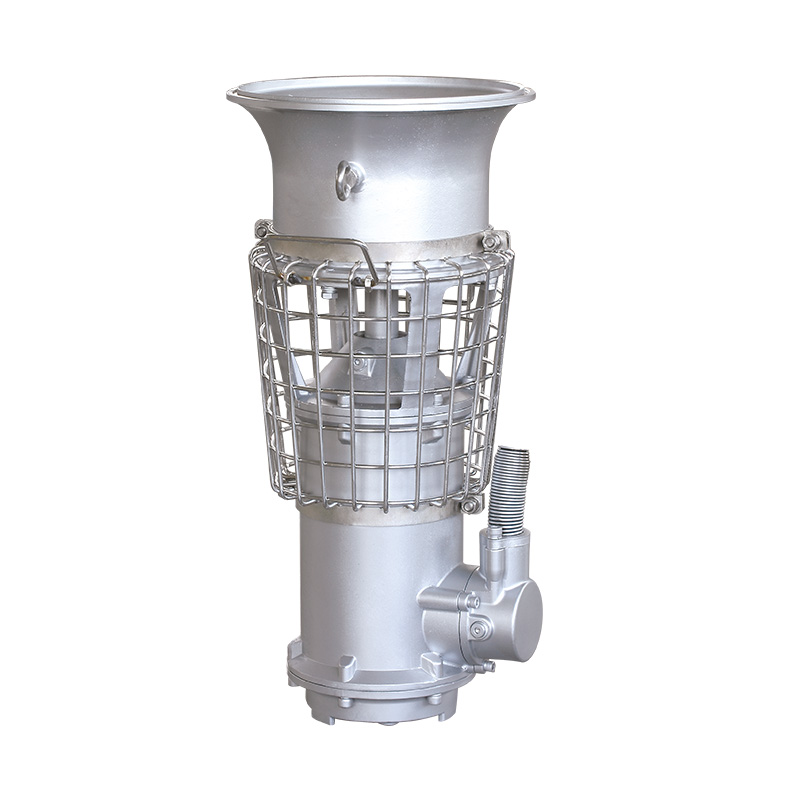
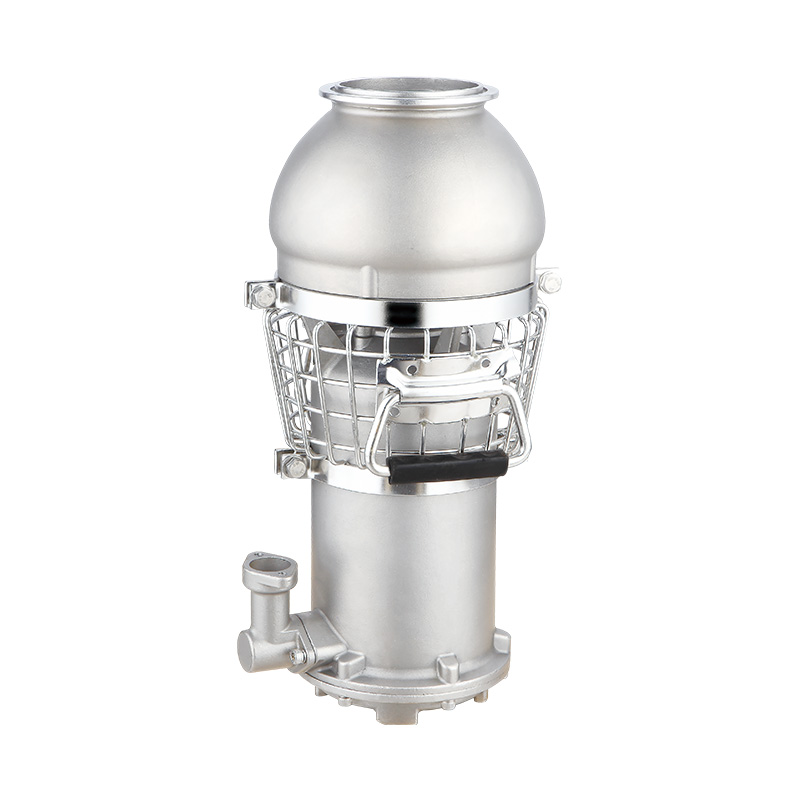
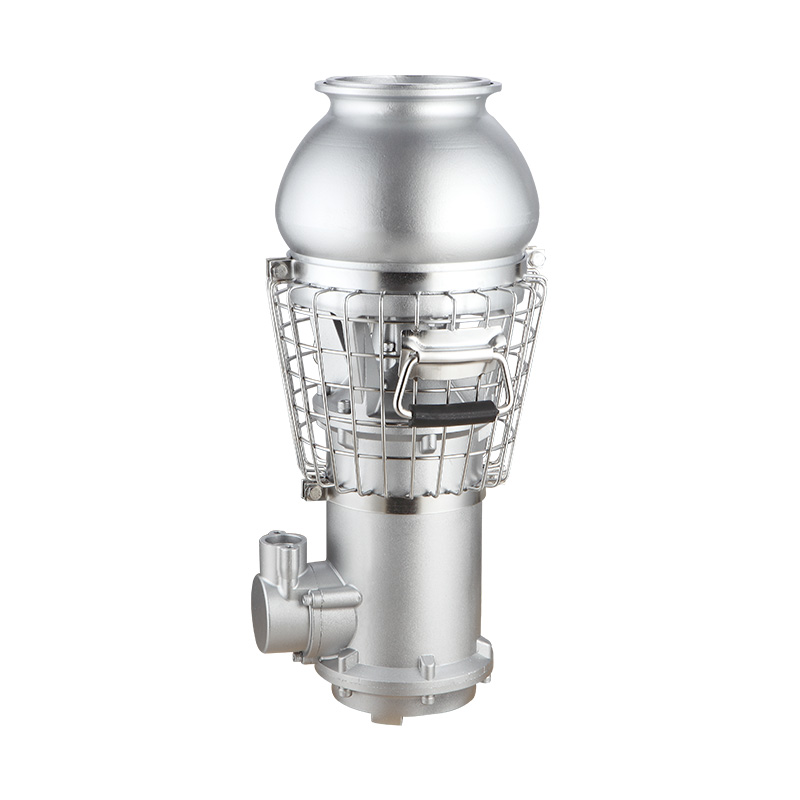
Flood response is increasingly being approached as a combination of preparedness, equipment availability, and coordinated deployment rather than relying only on permanent drainage infrastructure. Recent resilience projects in the U.S. and Australia are putting greater attention on pump capacity, backup equipment, remote operation, and the ability to keep critical drainage systems functioning during flood events. For contractors, municipalities, industrial facilities, and emergency-response teams, an Emergency Flood Control Pump therefore needs to be evaluated as part of a complete response strategy rather than simply by its rated pumping capacity.
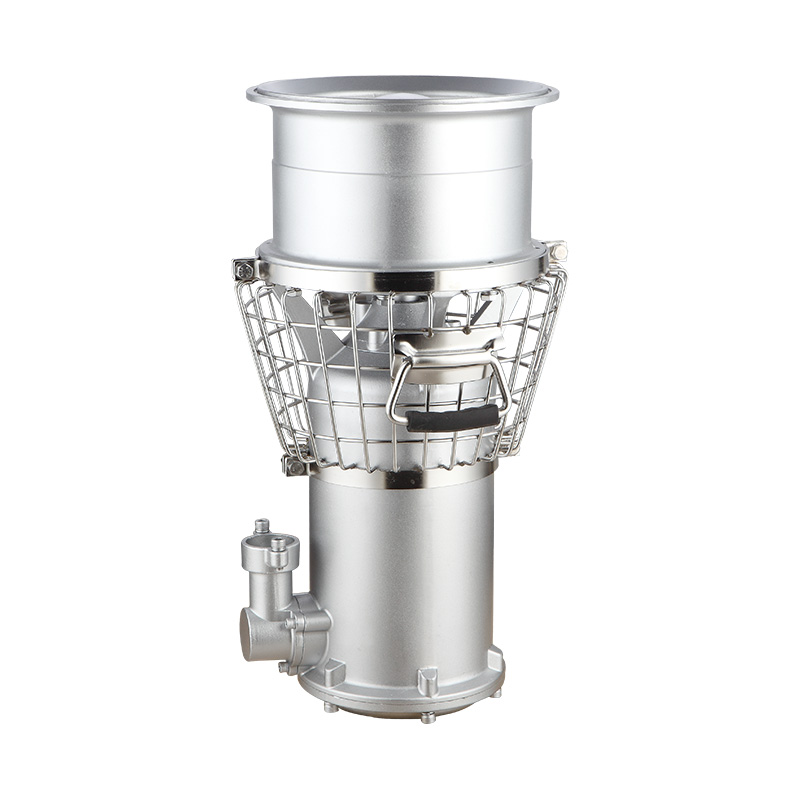
A permanent drainage system may be sufficient during normal conditions but become temporarily unavailable when rainfall, surface runoff, or flooding exceeds its operating conditions. Current flood-resilience guidance recommends maintaining access to temporary or replacement pumps and specialized parts so pumping operations can continue when primary equipment is damaged or overloaded.
For procurement teams, this changes the purchasing question from "What pump do we need?" to "What equipment can be deployed when the existing system is no longer enough?" Portable pumping equipment can provide an additional layer of flexibility for maintenance teams, construction contractors, wastewater facilities, and local emergency services.
A portable pump is useful only when personnel can move it to the affected area and put it into operation without unnecessary complications. Transport, lifting, suction arrangements, discharge hoses, connections, and available power should therefore be considered together.
Before purchasing, buyers should review:
This practical assessment can prevent a technically suitable pump from becoming difficult to use during an actual response.
Floodwater conditions vary considerably from one site to another. In locations where equipment may be exposed directly to rising water, submersible pumping can offer operational advantages because the pump is designed to work underwater. NOAA notes that traditional suction-lift and dry-well arrangements can fail when flooded, while submersible pump stations can continue operating in submerged conditions.
That does not mean every application requires the same pump configuration. Engineers should consider water depth, debris, access conditions, installation method, maintenance requirements, and expected operating duration before choosing between different pumping arrangements.
Flood events can also disrupt electrical infrastructure, so emergency pumping plans should not treat power supply as an afterthought. Resilience guidance recommends considering portable or permanent generators, alternative energy supplies, and pumping configurations that can continue operating when the electrical grid is unavailable.
For equipment buyers, this means checking motor requirements and emergency power compatibility during the purchasing stage. A pump that matches the hydraulic requirements but cannot be reliably powered at the deployment site may create additional operational difficulties when it is actually needed.
Emergency floodwater may contain mud, sand, leaves, sediment, and other suspended materials. These conditions can place additional demands on the pump's internal components and affect maintenance intervals.
Manufacturers should therefore consider the expected water conditions when developing a pumping solution. Impeller design, casing construction, sealing components, material selection, and access for cleaning can all influence practical serviceability. For contractors and industrial buyers, discussing the actual water source with the manufacturer can help identify a more suitable configuration.
Emergency equipment often spends much of its life in storage rather than continuous operation. That makes inspection and maintenance planning important. A pump should be easy to check before deployment, while replacement parts and service procedures should be considered as part of the overall procurement plan.
Recent resilience guidance for wastewater facilities similarly emphasizes maintaining backup pumps and reliable pumping options so essential operations can continue during flooding.
The growing focus on flood resilience is encouraging organizations to think about pumping equipment as part of a broader emergency-response system. Site conditions, backup power, transportation, water characteristics, maintenance access, and operator requirements should all be evaluated before an order is finalized.
As a manufacturer, Zhejiang Chuangmei Electromotor Co., Ltd. focuses on practical pumping equipment for demanding operating environments. Selecting an Emergency Flood Control Pump should begin with the actual deployment scenario, allowing distributors, contractors, and engineering buyers to develop a pumping solution that is practical to transport, connect, operate, and maintain when flood response becomes necessary.



 English
 عربى
عربى
 简体中文
简体中文
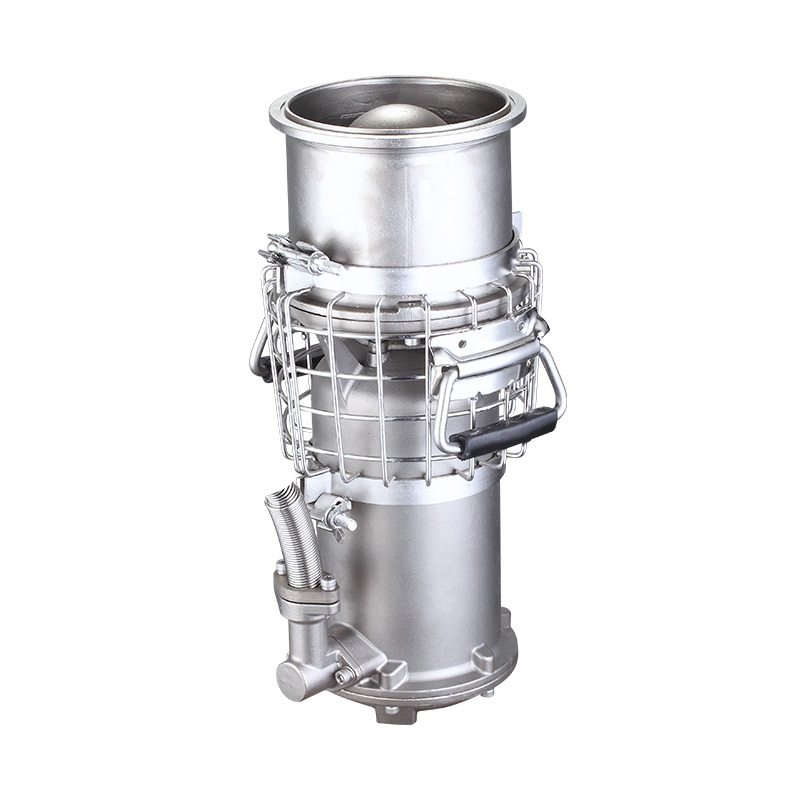
.jpg "DN200 Aluminum Alloy Flood Control Pump")