When powders, granules, or other bulk solids stop moving smoothly through a hopper or silo, increasing vibration may seem like the obvious solution. In practice, however, more vibration does not always mean better material flow. Recent industry guidance has placed greater emphasis on selecting, installing, and maintaining vibrators according to the vessel and material rather than simply increasing vibration intensity. For engineers and procurement teams evaluating a Pneumatic Vibrator, controlled vibration can be more useful than excessive force.
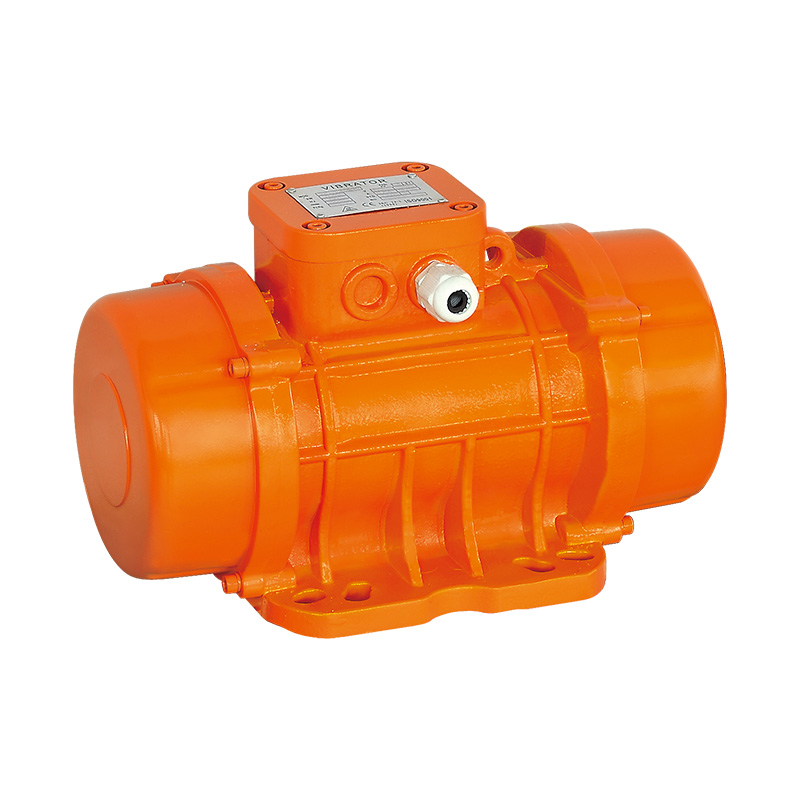
Material blockage can take different forms. Bridging may develop above an outlet, rat-holing can leave material around the vessel walls, while sticky or compacted products may remain attached to the surface.
These problems do not necessarily require the same vibration approach. Before selecting equipment, engineers should determine where the material stops moving and what is causing the restriction. This basic diagnosis can prevent an unsuitable vibrator from being installed simply because its vibration output appears higher.
A pneumatic vibrator transfers mechanical energy through the equipment structure, so hopper or silo construction matters. Wall thickness, shape, material, mounting location, outlet design, and supporting structure can all influence how vibration travels.
The same vibrator may therefore produce different results on different vessels. Manufacturers should review the application rather than treating the equipment as a standalone component. Proper mounting is also important because excessive vibration can place unnecessary stress on the vessel.
It is easy to assume that increasing vibration will clear more material. Yet excessive vibration may not solve the underlying flow issue and can increase mechanical stress on the equipment.
A better approach is to establish a controlled operating condition based on the material and vessel. The objective is to encourage discharge and reduce buildup while keeping the vibration within a practical range for the equipment.
This is particularly important for systems operating repeatedly throughout the production day, where uncontrolled vibration can become a maintenance concern rather than a flow solution.
A Pneumatic Vibrator depends on a suitable compressed-air system, so air conditions should form part of the selection process. Engineers should consider the available pressure, air quality, control method, operating cycle, and the number of pneumatic devices sharing the same supply.
Where multiple vibrators are installed, controlled or sequential operation may also help manage compressed-air demand. Recent industry discussions have specifically examined sequential pneumatic vibrator control as a way to distribute vibration more deliberately instead of operating several units simultaneously.
The position of the vibrator can determine whether the vibration reaches the area where material is actually accumulating. Installing equipment without considering the vessel geometry may result in energy being concentrated in the wrong location.
For this reason, application information is valuable during the purchasing stage. Useful details can include:
Providing this information allows the manufacturer to evaluate the application more realistically before recommending a configuration.
A vibrator should not be judged only by whether it starts and stops. Changes in operating sound, mounting condition, air connections, or vibration behavior can indicate that inspection is needed.
Recent bulk-material handling guidance also emphasizes preventive maintenance for vibrators and related equipment, particularly where abrasive materials and continuous mechanical movement are involved. Regular inspection can help maintain consistent operation while reducing the chance that a small installation or connection problem develops into a larger production interruption.
For overseas buyers, choosing a Pneumatic Vibrator should involve more than comparing basic product specifications. The material, vessel structure, blockage location, air supply, installation position, and operating cycle all influence the final solution.
As a manufacturer, Zhejiang Chuangmei Electromotor Co., Ltd. can evaluate these application factors when supporting customers with pneumatic vibration equipment. By focusing on controlled vibration rather than simply pursuing greater output, a Pneumatic Vibrator can become a more balanced solution for hoppers, silos, bins, chutes, and other bulk-material handling equipment.



 English
 عربى
عربى
 简体中文
简体中文
.jpg "DN200 Aluminum Alloy Flood Control Pump")