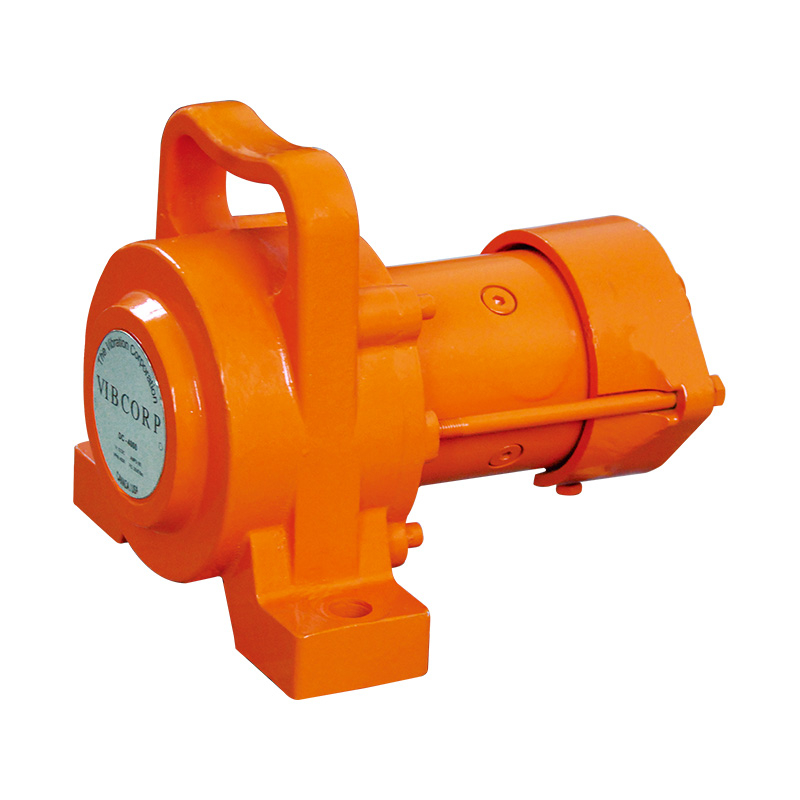
Bulk material handling systems can become difficult to manage when powders, granules, or other materials begin to bridge, cake, or form rat holes inside hoppers and silos. Recent industry discussions are placing more attention on preventing these interruptions through automated flow-aid solutions rather than relying on manual clearing. Vibration is one of the established approaches, but selecting the right equipment requires more than simply adding a vibrator to the vessel. For engineers and procurement teams, a Pneumatic Vibrator can provide a practical way to support material discharge when the equipment is correctly matched to the material, container, and operating environment.
Material flow problems can have several causes. Moisture, particle size, material cohesion, static, settling, and the geometry of the hopper or silo can all contribute to buildup or blockage. Recent bulk-handling coverage specifically identifies moisture and material characteristics among the factors that can cause clogging.
This means that choosing vibration equipment should begin with understanding the actual flow problem. A vibrator intended to loosen material from a hopper wall may need a different operating approach from equipment used for compacting, feeding, or conveying.
Pneumatic vibration uses compressed air to generate mechanical movement that can help loosen material and reduce the tendency of bulk solids to remain attached to container surfaces. Industrial pneumatic vibrators are commonly applied to bins, hoppers, silos, chutes, pipes, and other material-handling equipment.
For manufacturers, the key is not simply producing vibration, but matching the vibration characteristics with the application. Excessive or poorly positioned vibration may create unnecessary mechanical stress or even worsen certain material-handling conditions.
A practical selection process should consider the complete installation rather than focusing only on vibrator specifications. Engineers can review:
These factors provide a more useful basis for equipment selection and can help avoid treating every blockage as the same technical problem.
Pneumatic vibration can be attractive in applications where compressed air is already available as part of the production system. It can also be considered for environments where the operating conditions require careful attention to dust and equipment protection.
Dust is an important consideration in many bulk-material processes. Industry suppliers have developed pneumatic vibrator configurations with enhanced protection against dust accumulation, while specialized versions are available for applications involving hygiene requirements or potentially explosive environments.
However, hazardous-area suitability should always be evaluated according to the complete installation and applicable regulations rather than assumed from the vibrator type alone.
Manual clearing of blocked hoppers or silos can expose workers to unnecessary risks, particularly when material has accumulated around production chokepoints. Recent industry coverage has highlighted automated vibration and air-cannon systems as methods for reducing the need for manual intervention when managing material buildup.
This makes flow-aid selection part of a wider maintenance and safety discussion. The objective is not simply to restore flow after a blockage occurs, but to establish a more predictable operating process that reduces recurring interruptions.
A vibrator is not automatically suitable for every material-flow problem. Industry guidance distinguishes between vibration, air cannons, aeration systems, and other flow aids according to material characteristics and the type of obstruction involved.
For procurement teams, supplier communication should therefore cover the actual application. Providing vessel dimensions, material information, mounting conditions, and operating requirements allows manufacturers to recommend a configuration based on the real installation instead of a generic product category.
At Zhejiang Chuangmei Electromotor Co., Ltd., we view pneumatic vibration as part of the complete material-handling process rather than an isolated component. Understanding where material accumulates, how the vessel is constructed, and what operating conditions the equipment will face helps us approach product selection from an engineering perspective. For overseas buyers looking for a Pneumatic Vibrator, this application-focused approach can support more suitable equipment selection and a more stable material-flow solution.



 English
 عربى
عربى
 简体中文
简体中文
.jpg "DN200 Aluminum Alloy Flood Control Pump")