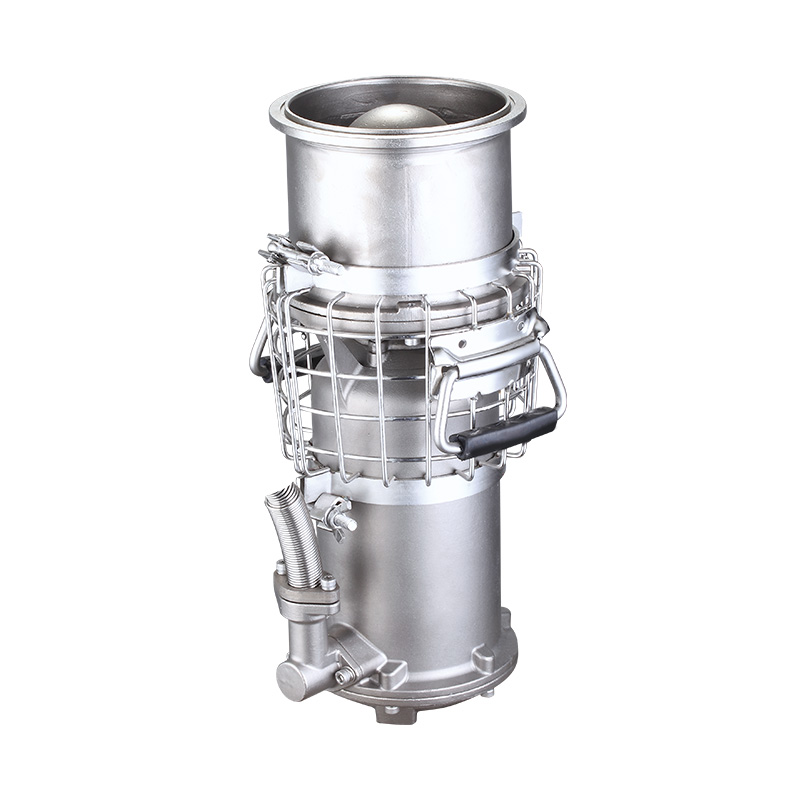
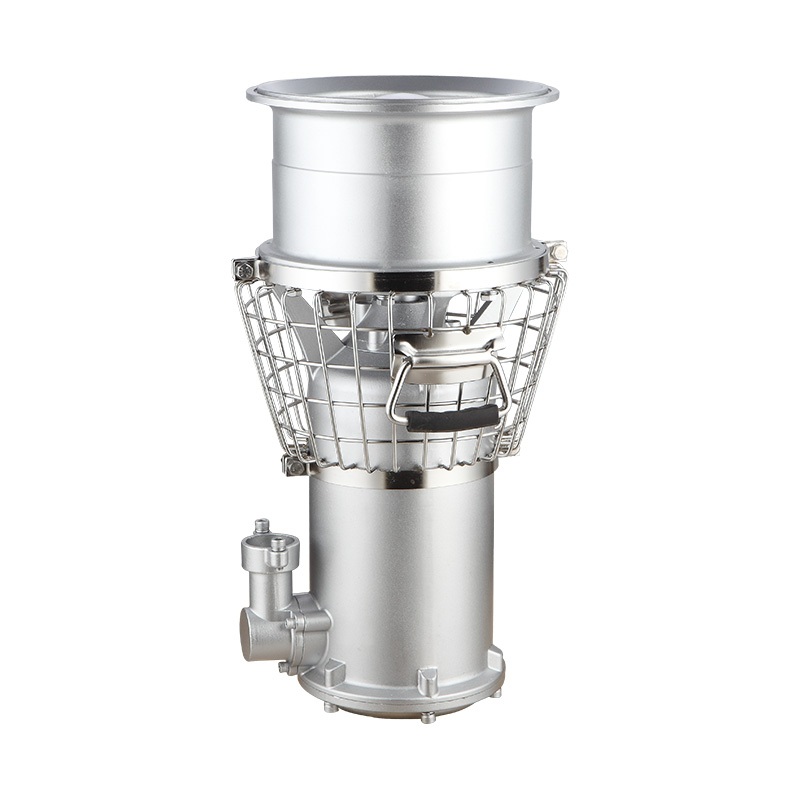
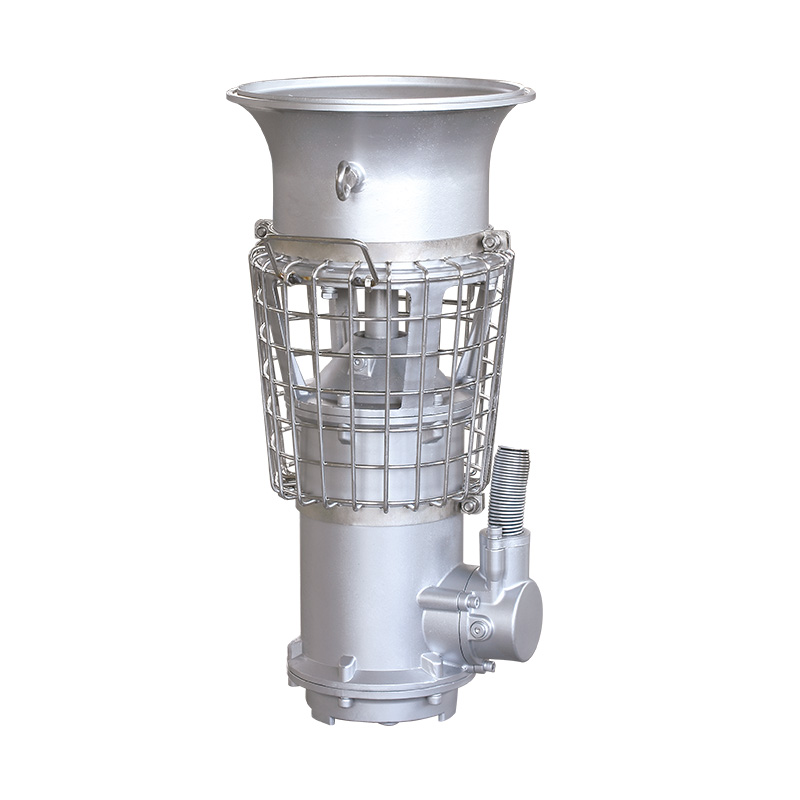
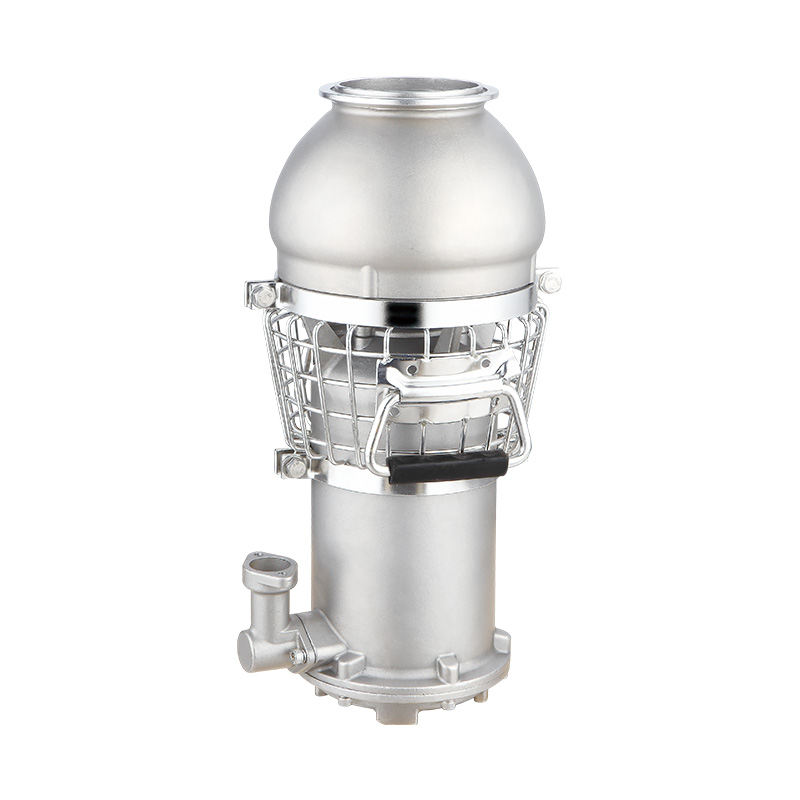
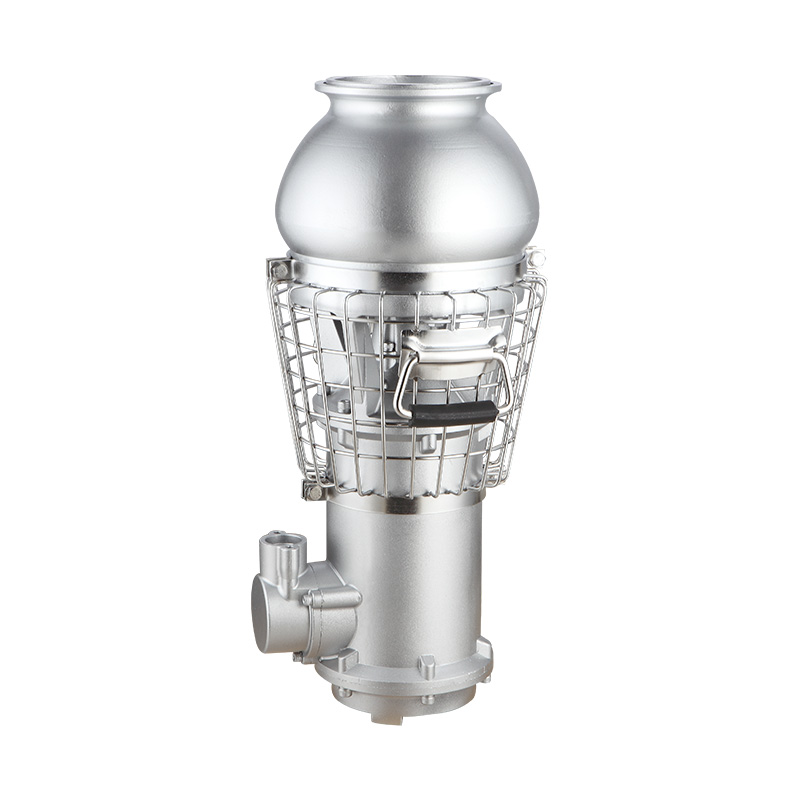
Construction equipment rarely works under perfectly consistent conditions. A machine may be used in a spacious construction area one day and moved to a more restricted site the next. Differences in available space, power supply, material storage, and pipeline arrangement can all influence how equipment is installed and operated. For contractors and equipment distributors, choosing a Mixer Pump requires attention to more than mixing and pumping performance. Mobility, installation convenience, connection design, and site preparation can also determine whether the equipment fits the actual working environment.
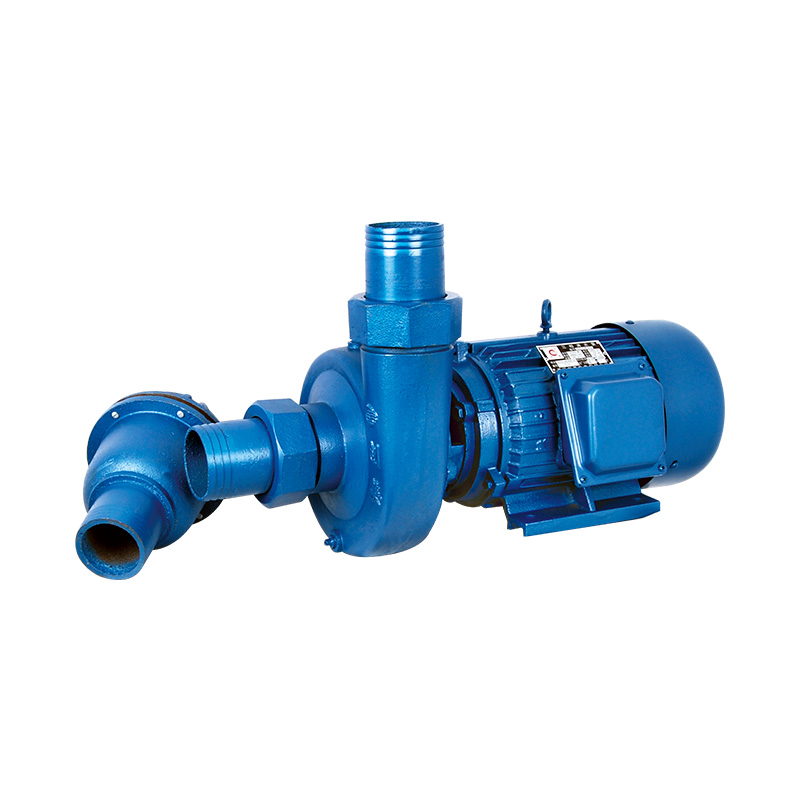
Construction projects often require equipment to be relocated as work progresses. A pump that is difficult to move or position may create additional preparation work, particularly when several working areas are involved.
Buyers should consider the machine's overall dimensions, weight, lifting arrangements, and available moving features. The transportation method should also be compatible with the conditions at the intended jobsite.
For manufacturers, equipment layout needs to consider both structural stability during operation and practical handling during transportation. Buyers should provide information about site access and relocation frequency when requesting a suitable model.
A machine may fit within the dimensions of a jobsite but still be inconvenient to operate if there is insufficient space around it. Operators need room to load materials, inspect components, connect pipelines, and perform routine cleaning.
Before installation, buyers should assess:
These details help determine where the machine should be positioned and whether the proposed configuration is practical for daily work.
Electrical conditions can differ between construction sites and countries. Voltage, frequency, phase configuration, and available power capacity should be checked before ordering equipment.
An unsuitable power connection may prevent the machine from operating as intended or require additional electrical arrangements at the site. Buyers should confirm the equipment's rated electrical specifications and compare them with the local supply conditions.
As a manufacturer, reviewing these requirements before production helps avoid mismatches between the supplied machine and the customer's installation environment. Electrical connections and commissioning should also be handled according to the equipment instructions and applicable local requirements.
The delivery pipeline has a direct influence on material transfer. Excessive bends, unsuitable hose dimensions, long delivery distances, and unnecessary restrictions can increase resistance and affect pumping performance.
A practical layout should consider the distance between the machine and the discharge point, vertical delivery requirements, pipe diameter, and connection compatibility.
Buyers should share a basic pipeline drawing or describe the intended arrangement during the inquiry stage. This allows the manufacturer to assess whether the proposed Mixer Pump is suitable for the expected delivery conditions.
Material preparation is another factor that can influence site performance. Inconsistent proportions, poorly mixed ingredients, or unsuitable material consistency may affect both the mixing process and subsequent delivery.
Operators should follow the material supplier's recommended preparation procedures and the pump manufacturer's operating instructions. The loading sequence and material quantity should also remain within the equipment's intended working range.
For projects involving different material formulations, buyers should confirm whether the selected machine is appropriate for each intended mixture rather than assuming that one configuration will handle every material in the same way.
A structured pre-operation inspection helps operators identify installation problems before the machine enters regular service. The exact checklist depends on the equipment model, but several areas generally deserve attention:
Operators should also know how to stop the equipment safely if abnormal noise, leakage, or unexpected operating behavior occurs.
A mixer pump must work as part of a complete jobsite arrangement. Its dimensions, power configuration, pipeline connections, material handling capabilities, and maintenance access should all correspond with the intended application. At Zhejiang Chuangmei Electromotor Co., Ltd., understanding these practical requirements is important when evaluating equipment configurations for overseas customers. Buyers should communicate their installation space, power supply, delivery distance, material type, and relocation needs before ordering a Mixer Pump. A clear assessment of site conditions can make equipment selection more accurate and help contractors prepare for smoother installation and operation.



 English
 عربى
 简体中文