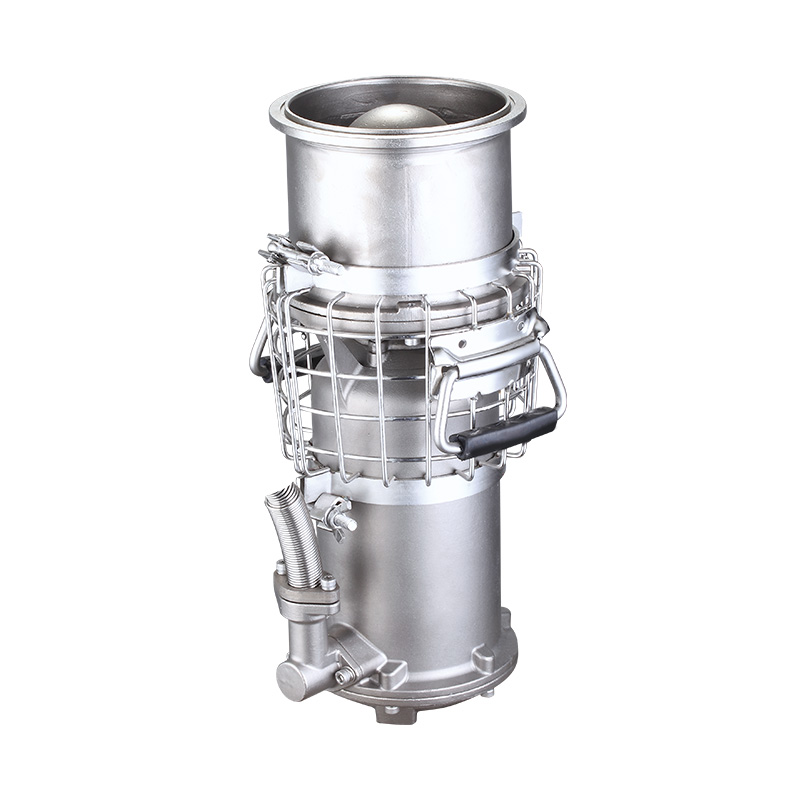
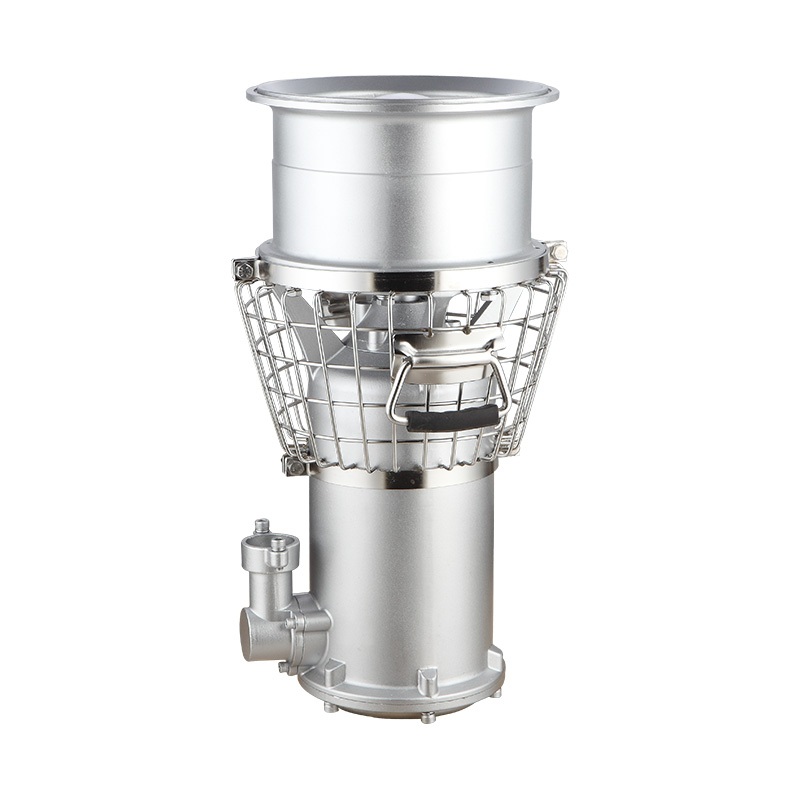
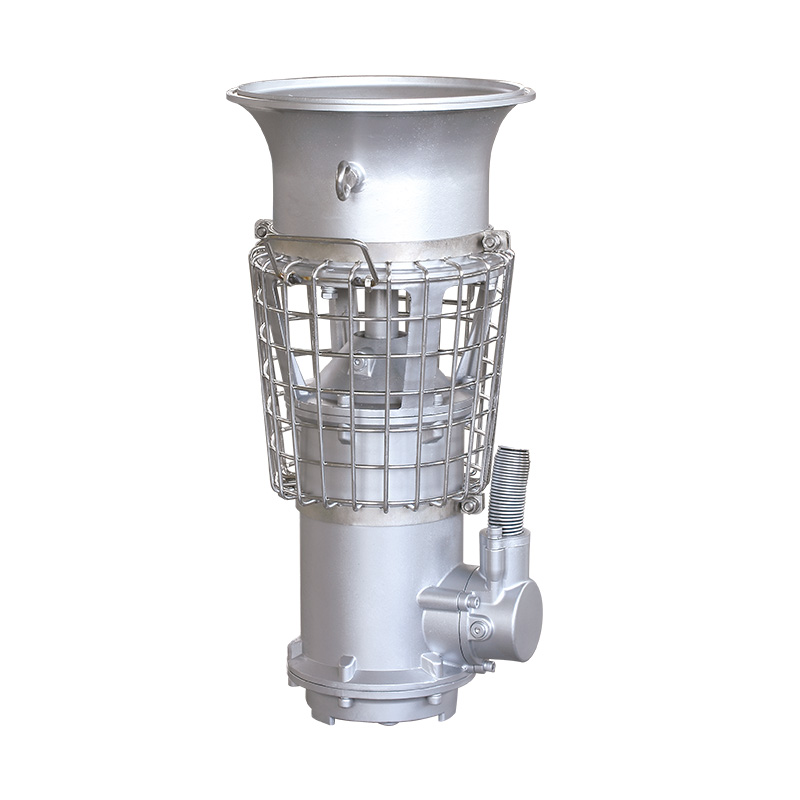
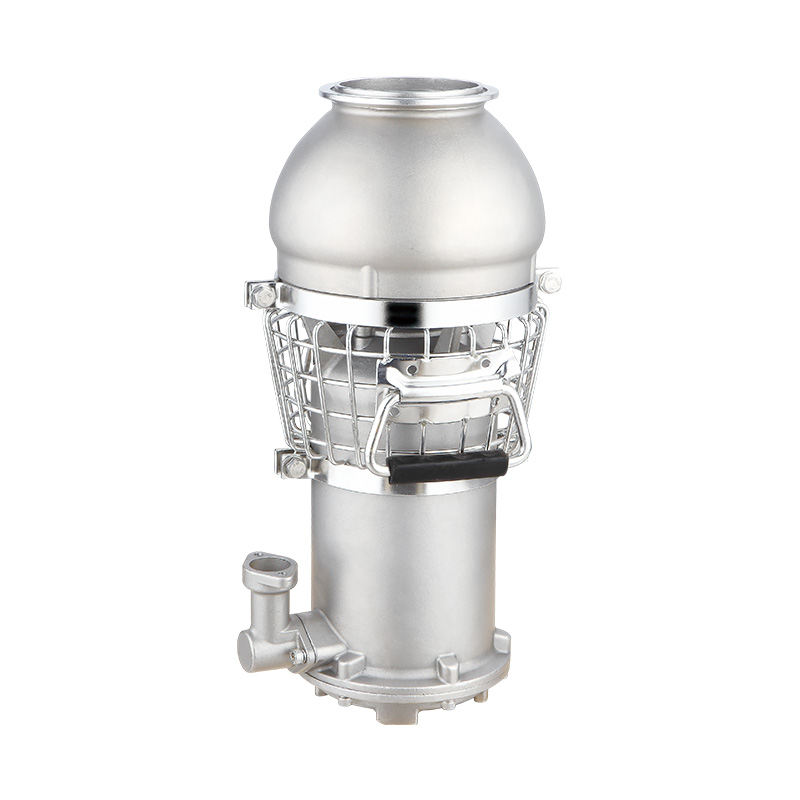
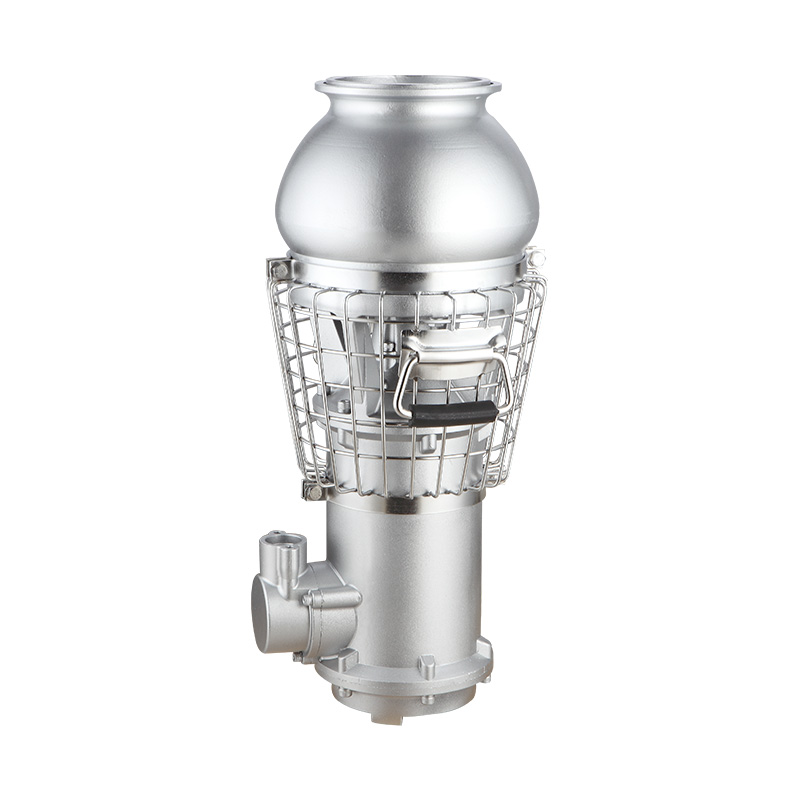
In construction and industrial processing, equipment downtime can interrupt material delivery and affect the progress of an entire job. A mixer pump may operate under demanding conditions, especially when handling abrasive mixtures, dense slurry, or materials containing solid particles. Over time, these conditions can place stress on the pumping mechanism, seals, connections, and motor system. For overseas contractors and equipment distributors, purchasing decisions should therefore consider not only initial performance but also maintenance requirements and component service life. A properly selected Mixer Pump, supported by suitable operating practices, can help reduce avoidable interruptions.

Not every component inside a mixer pump experiences the same level of mechanical stress. Parts that come into contact with abrasive materials or repeatedly handle pressure changes may require more frequent inspection than external structural components.
Depending on the equipment design and application, attention may be needed around the pumping chamber, rotor or impeller assembly, seals, hoses, and connection points. The actual wear pattern depends on the material being processed, operating frequency, and equipment configuration.
Manufacturers should help buyers understand which components require routine inspection and which parts may need replacement during normal service.
Some construction mixtures contain sand, cement particles, or other solid materials that gradually wear surfaces exposed to continuous material flow. Particle size, hardness, concentration, and operating conditions all influence the degree of abrasion.
If the equipment is used with materials beyond its intended application range, internal components may deteriorate more quickly. Buyers should therefore provide accurate information about the mixture rather than describing it simply as slurry or mortar.
When evaluating a pump, ask the manufacturer whether the proposed configuration is suitable for the material composition and whether specific wear-resistant components are available.
Sealing components help prevent material leakage and protect internal mechanical areas. However, repeated operation, contamination, improper installation, or unsuitable working conditions may affect their performance.
Operators should check for visible leakage, unusual moisture around connections, and changes in equipment operation. When a seal needs replacement, using a compatible component and following the manufacturer's installation instructions are important.
For distributors, understanding the available seal specifications and replacement procedures can also make after-sales support more efficient.
A mixer pump should be operated within the conditions specified by its manufacturer. Excessive material resistance, inappropriate mixture consistency, or restricted discharge lines can place additional stress on the drive and pumping systems.
Operators should pay attention to changes in motor sound, vibration, discharge behavior, and operating temperature. These signs do not always indicate the same problem, but they can provide useful reasons to inspect the equipment before continuing operation.
Before purchasing, buyers should clarify the intended duty cycle and confirm that the selected model is appropriate for the expected workload.
Material residue left inside the mixing chamber or delivery system can harden and become difficult to remove. This may restrict material flow and increase the workload during the next operation.
Cleaning procedures should follow the manufacturer's instructions and account for the type of material being handled. A practical routine may include:
Regular cleaning can help prevent avoidable blockages and make equipment inspection easier.
Maintenance planning should begin before the machine reaches the jobsite. Buyers need to understand the recommended inspection intervals, lubrication requirements, replacement components, and availability of technical assistance.
For overseas customers, spare-part supply is particularly important because replacement components may need to be transported across borders. It is worth confirming which parts should be kept in stock and how the supplier identifies compatible replacements.
Clear maintenance documentation also helps different operators follow consistent procedures, especially when equipment is shared between teams.
A mixer pump's service performance depends on the relationship between material characteristics, mechanical design, operating conditions, and maintenance practices. As Zhejiang Chuangmei Electromotor Co., Ltd., we believe equipment selection should account for both immediate processing needs and the practical requirements of continued operation. Overseas buyers should discuss material abrasiveness, expected working hours, cleaning procedures, and spare-part arrangements before selecting a Mixer Pump. Evaluating these details with the manufacturer can help reduce maintenance uncertainty and support more dependable equipment use across different construction and industrial applications.



 English
 عربى
 简体中文