Zhejiang Chuangmei Electromotor Co., Ltd.
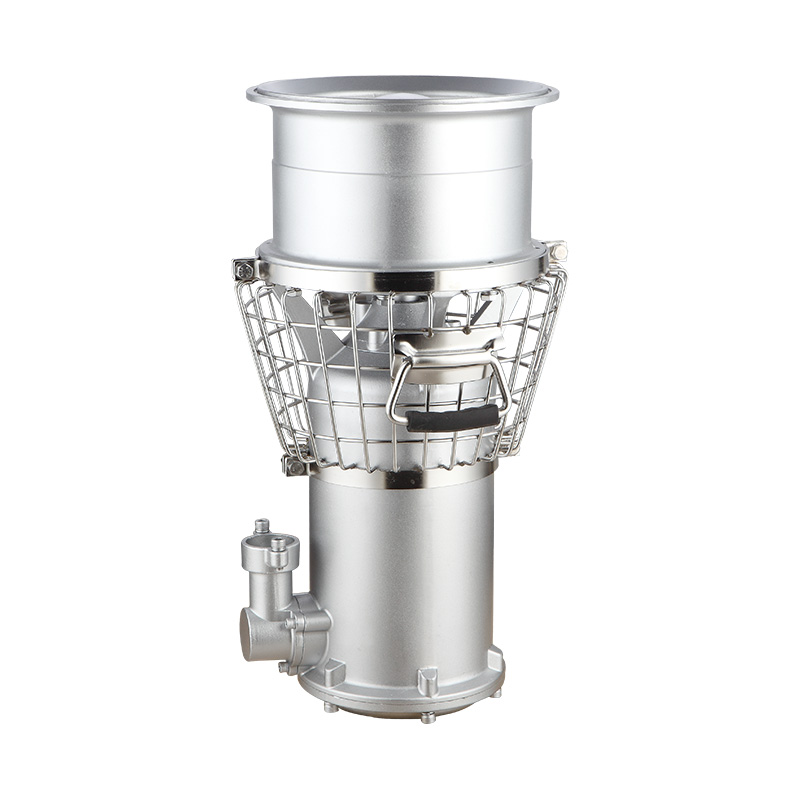
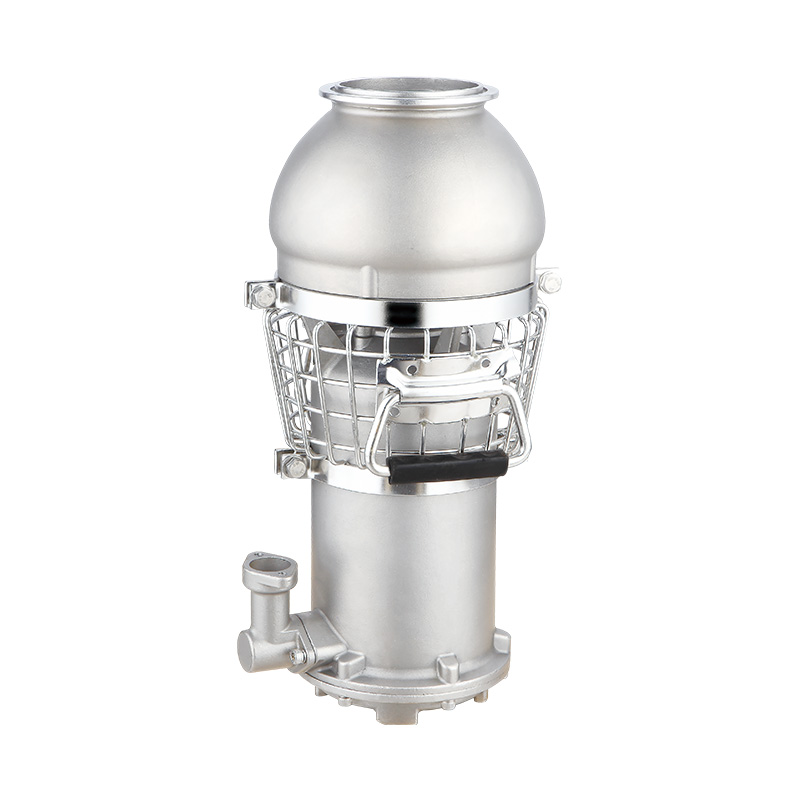
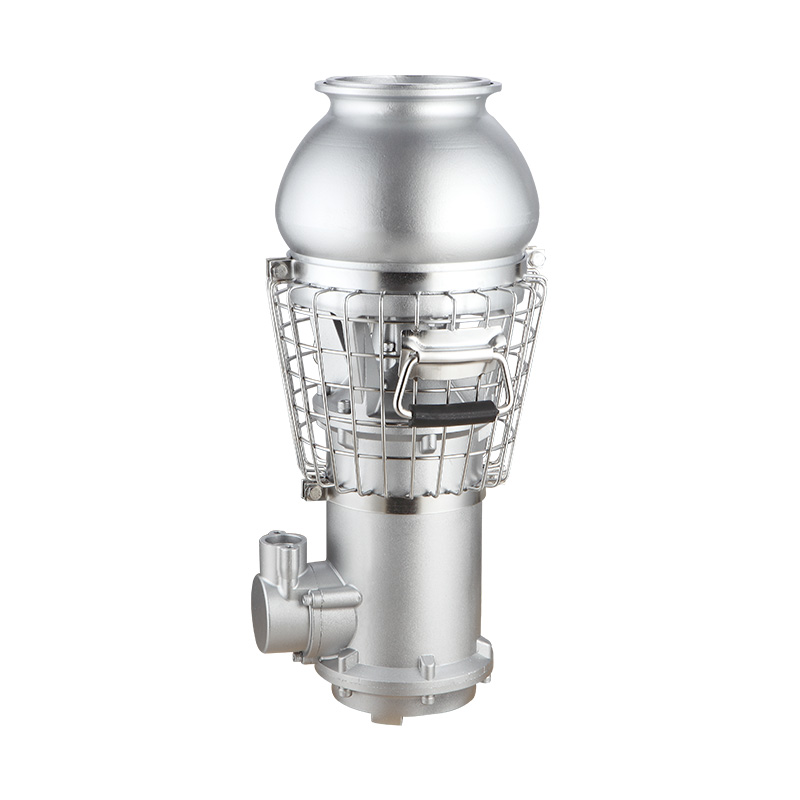
With increasing climate variability, heavier rainfall patterns, and rising urban flood risks, municipalities and industrial facilities are placing greater emphasis on rapid water evacuation systems. A Permanent Magnet Flood Control Pump is increasingly being searched by emergency infrastructure planners, municipal engineers, and procurement teams who require higher energy efficiency, faster response time, and reliable long-duration operation during extreme weather events. Recent discussions across water management forums and public infrastructure planning groups highlight strong interest in high-efficiency permanent magnet motor pumps, smart flood drainage systems with real-time monitoring, and energy-saving emergency water removal solutions. Instead of relying solely on traditional pumping systems, buyers are focusing on efficiency per kilowatt, operational stability under continuous load, and reduced maintenance requirements during critical flood response scenarios.
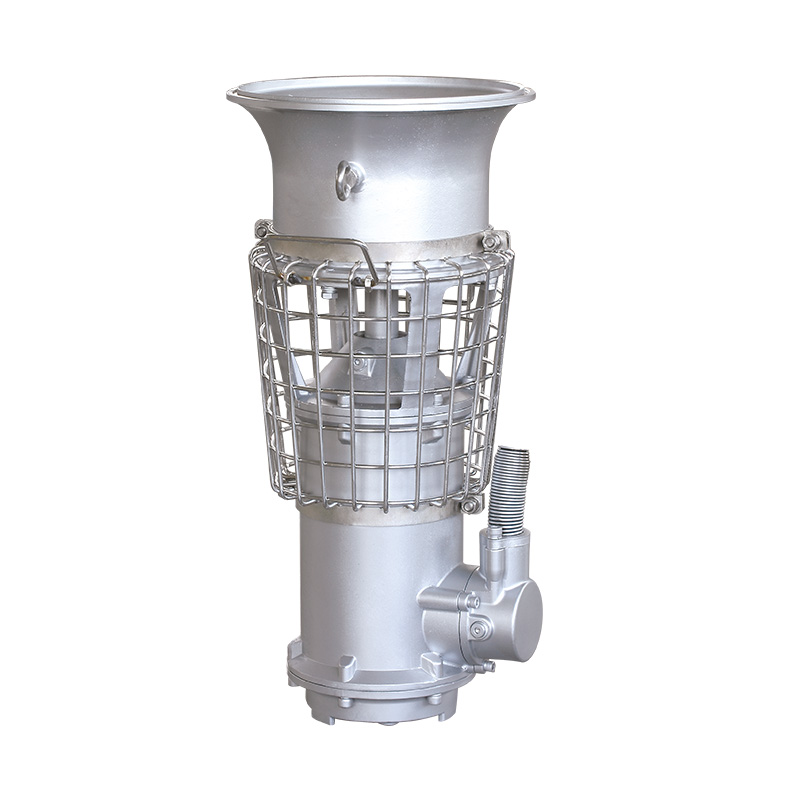
One of the main trends in modern flood control planning is reducing energy consumption while maximizing water discharge capacity. Permanent magnet motor technology is gaining attention due to its ability to maintain high efficiency even under variable load conditions.
Key advantages include:
These characteristics make it suitable for large-scale municipal drainage systems.
Flood control systems are increasingly evaluated based on how quickly they can activate and stabilize water levels. Delayed response can significantly increase infrastructure damage and safety risks.
Engineers are prioritizing pump systems with fast startup performance, automatic activation control, and stable discharge curves to ensure immediate water evacuation during emergency conditions.
Modern flood management systems are evolving toward digital monitoring and intelligent control. Pumps are now being integrated with IoT-based sensors and centralized control platforms.
Common smart features include:
This improves both efficiency and operational decision-making.
Flood control pumps often operate for extended periods under extreme environmental stress, including debris-filled water, unstable power supply, and fluctuating flow rates.
Permanent magnet motor systems help maintain stable torque output and reduce overheating risks, ensuring consistent operation during prolonged emergency drainage tasks.
Maintenance Reduction Improves Emergency Readiness
In flood control applications, maintenance downtime can directly affect emergency preparedness. Therefore, reliability and low-maintenance design are becoming key procurement priorities.
Design improvements focus on:
These features help ensure the system remains ready for deployment when needed most.
Efficient flood response requires not only powerful motors but also optimized hydraulic design. Pump efficiency is directly linked to impeller structure, flow channel design, and anti-clogging capability.
Engineers are increasingly focusing on improving solid-handling ability, reducing flow resistance, and ensuring stable discharge performance even in debris-heavy floodwater conditions.
Flood control equipment must operate reliably under unpredictable conditions, making manufacturing accuracy a critical factor in system performance. Rotor balancing, motor alignment, and hydraulic component machining all influence final pump stability.
As a manufacturer, we emphasize precision permanent magnet rotor assembly, dynamic balance testing, hydraulic efficiency validation, corrosion resistance treatment, and full-load operational testing to ensure dependable performance in real-world flood control scenarios.
As global cities invest more in resilient infrastructure and disaster prevention systems, selecting a reliable Permanent Magnet Flood Control Pump becomes a strategic decision for public safety and operational efficiency. A high-quality Permanent Magnet Flood Control Pump ensures stable drainage performance, energy efficiency, and dependable operation during critical flood emergency situations.



 English
 عربى
عربى
 简体中文
简体中文
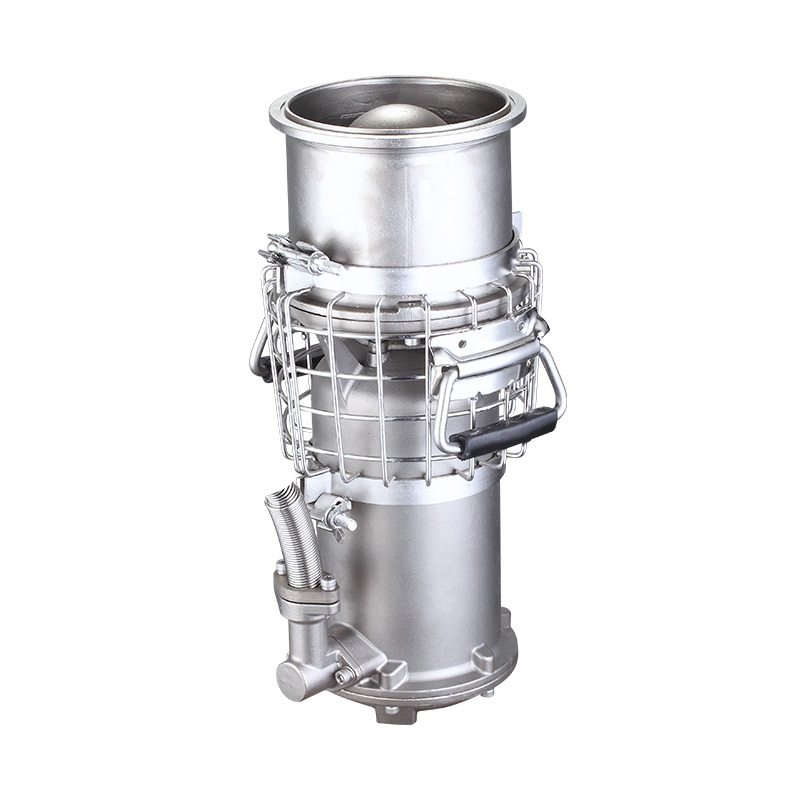
.jpg "DN200 Aluminum Alloy Flood Control Pump")