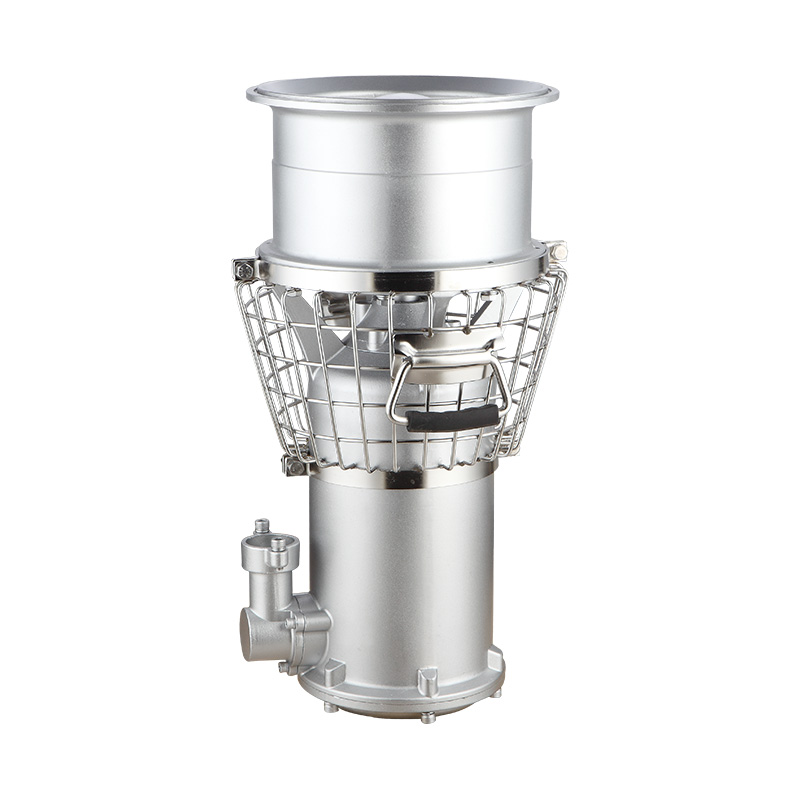
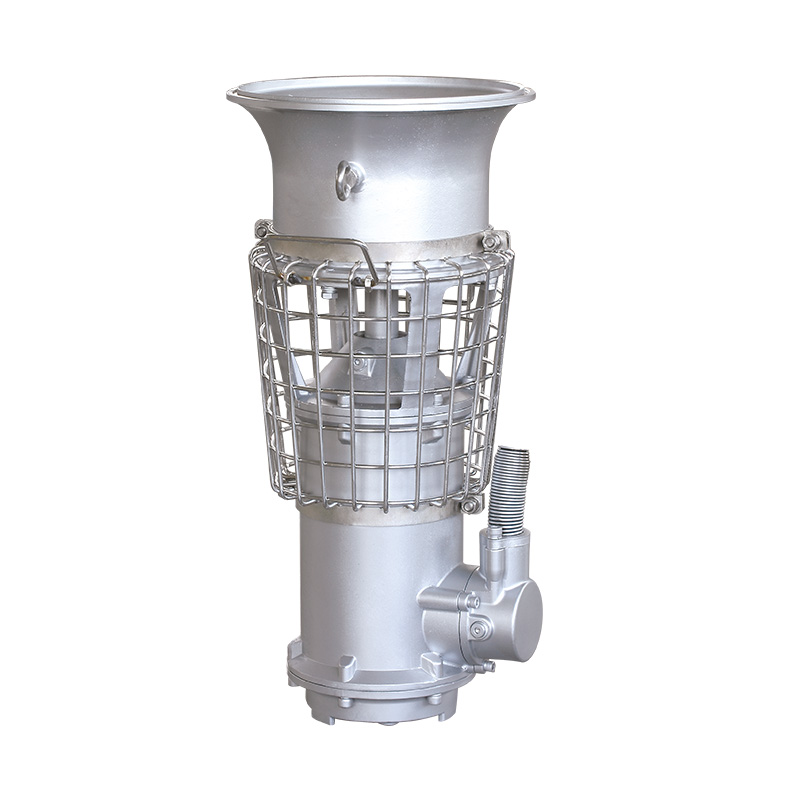
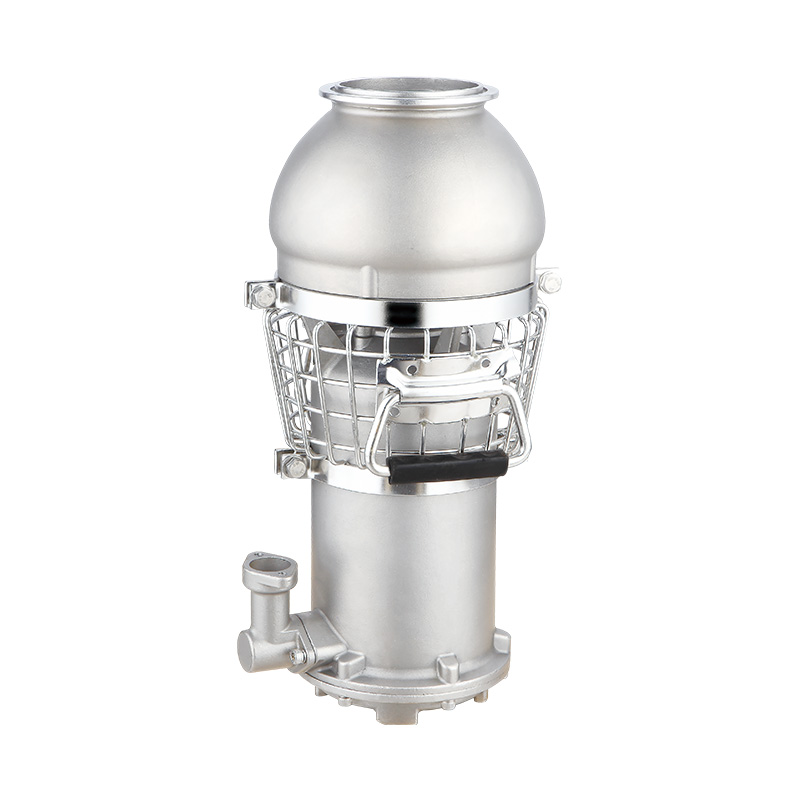
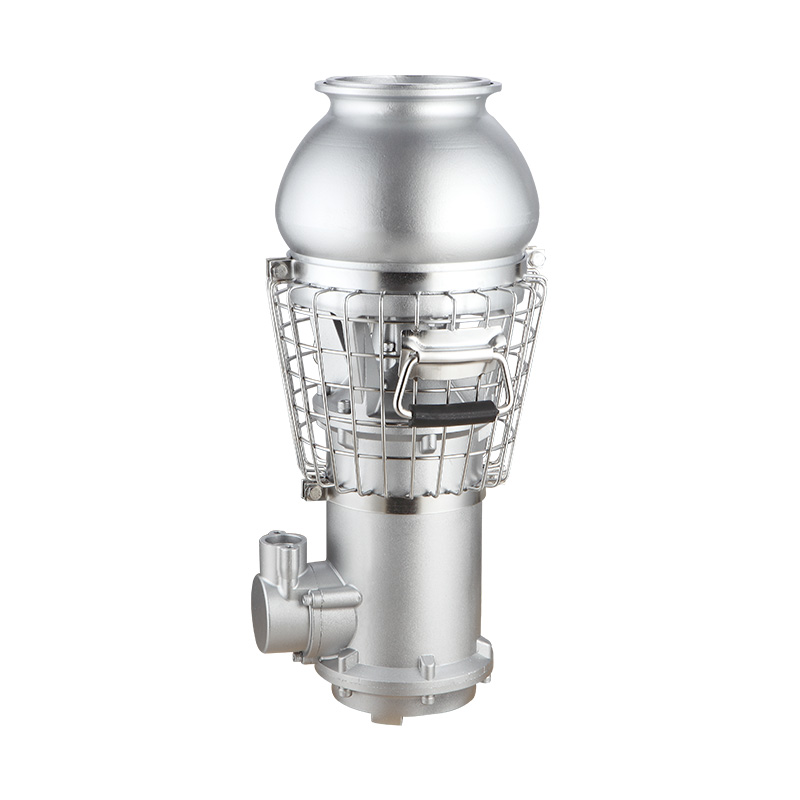
Flood-control equipment is increasingly being evaluated as part of a facility's preparedness strategy rather than as equipment purchased only after water has already entered a site. For contractors, industrial facilities, property operators, and equipment distributors, an Emergency Flood Control Pump needs to balance pumping performance with practical factors such as startup, transportation, water conditions, power supply, and maintenance. Choosing equipment around the actual response environment can help reduce delays and make temporary drainage operations easier to manage.
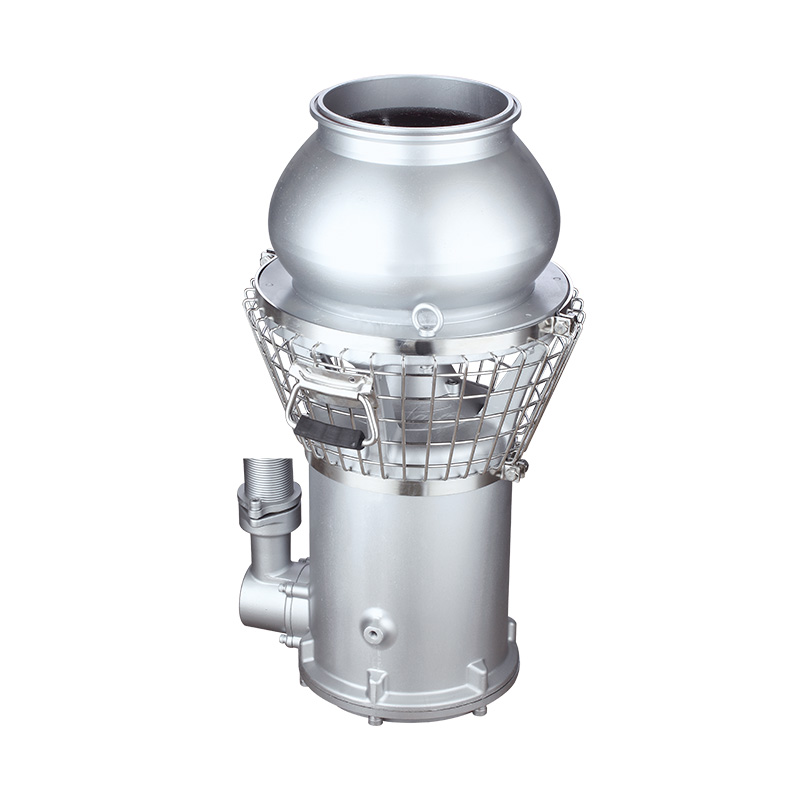
A pump's stated flow rate is useful, but it should not be considered independently. Actual pumping performance can be affected by discharge distance, elevation, hose diameter, intake conditions, and the resistance within the drainage route.
For procurement teams, it is therefore useful to provide the manufacturer with the complete application information. A pump designed for removing shallow standing water from a facility entrance may have different requirements from equipment intended for construction-site drainage or industrial water removal.
The composition of floodwater can directly influence pump selection. Rainwater collected around a building may contain leaves and dirt, while construction-site runoff can contain considerably more sediment.
Engineers should consider whether the application involves:
These conditions can affect the choice of impeller, casing, seals, and other components. Discussing the expected water characteristics with a manufacturer can help avoid selecting equipment that is unsuitable for the actual site.
During an emergency, equipment may need to be transported from storage and put into operation with limited preparation. Complicated startup procedures can increase the workload for operators who are already dealing with changing site conditions.
A practical emergency pumping system should therefore be considered from the operator's perspective. Accessible controls, clearly defined connections, suitable hose arrangements, and straightforward inspection procedures can all contribute to smoother deployment.
Portability is valuable when one pump may be required at several locations. However, a compact pump is not automatically convenient to transport.
Manufacturers should consider the complete handling process, including lifting points, frame construction, hose connections, balance, and storage requirements. For contractors and service companies, these details can influence whether equipment can be moved efficiently between projects.
The motor is a key part of an emergency pumping system, and its requirements should correspond with the available power source. Buyers should confirm voltage, frequency, rated power, starting characteristics, protection requirements, and operating conditions before finalizing an equipment configuration.
Where backup generators are expected to be used, compatibility should also be reviewed in advance. Coordinating the motor and power supply can help avoid unnecessary problems during field deployment.
Emergency pumps may remain unused for extended periods, making storage and routine inspection important parts of equipment management. Before deployment, operators should inspect electrical connections, seals, hoses, fasteners, and other relevant components.
After operation, cleaning is equally important, particularly when the pump has handled muddy water or sediment. Removing accumulated material and checking wear-related components can help prepare the equipment for its next application.
Different customers may require different discharge connections, motor configurations, structural arrangements, or installation methods. Standard equipment can meet many applications, but customized solutions may be more appropriate when the site has unusual space limitations or operating requirements.
As a manufacturer, Zhejiang Chuangmei Electromotor Co., Ltd. works with overseas buyers to evaluate these application details before production. By combining pumping requirements with motor selection, structural design, power conditions, and maintenance considerations, we help customers develop practical Emergency Flood Control Pump solutions for emergency drainage, construction projects, industrial facilities, and temporary flood-response operations.



 English
 عربى
عربى
 简体中文
简体中文
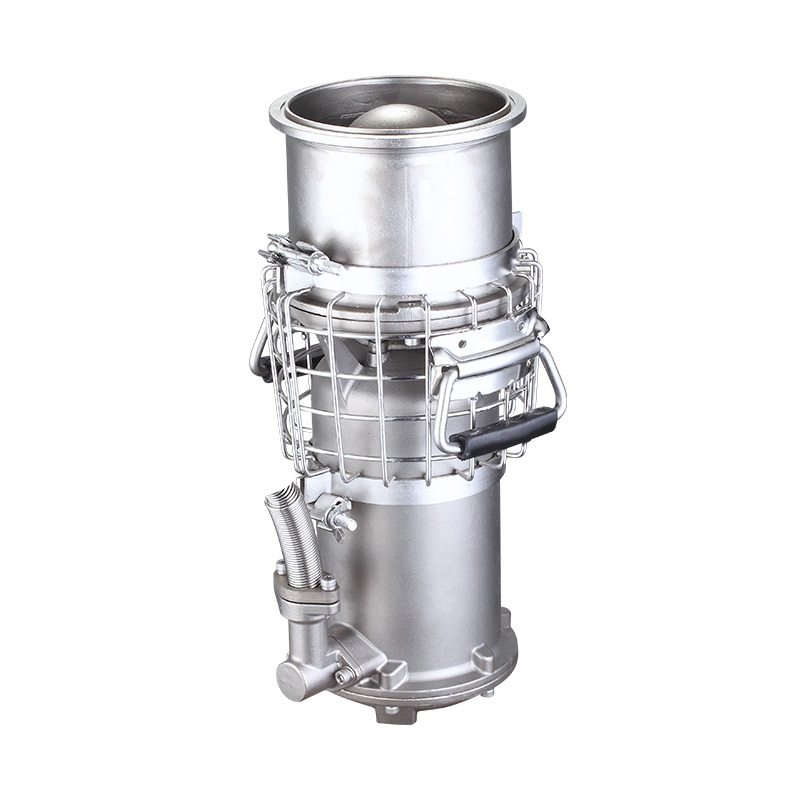
.jpg "DN200 Aluminum Alloy Flood Control Pump")