Modern construction projects are becoming more demanding as contractors face tighter deadlines, rising labor costs, and increasingly complex working environments. From urban infrastructure development to tunnel engineering and municipal drainage projects, equipment reliability now plays a much larger role in determining whether a project can stay on schedule. Many construction companies are discovering that traditional machinery is no longer sufficient for modern operational requirements, especially when projects require continuous operation, lower noise levels, and stable performance under harsh conditions.
As global infrastructure investment continues growing, overseas buyers are paying closer attention to equipment that can reduce downtime, improve efficiency, and support long-term operational stability.
Unexpected equipment shutdowns remain one of the biggest challenges in construction environments. Traditional machines often experience overheating, unstable motor performance, or excessive wear during long working cycles.
Common operational problems include:
For contractors managing large infrastructure or municipal projects, even short periods of downtime can create significant operational pressure and increase total project costs.
Many traditional construction machines still rely on fixed-speed motor systems that cannot adjust efficiently to changing workload demands. This often leads to unnecessary energy consumption and unstable operational performance.
Modern frequency conversion technology helps solve these issues by supporting:
These improvements help construction companies reduce operating pressure while improving overall equipment reliability.
Urban infrastructure projects are increasing worldwide, particularly in transportation systems, underground engineering, and residential development. In many cities, contractors face stricter environmental requirements related to construction-site noise control.
Low-noise construction equipment helps improve:
This trend is encouraging more buyers to prioritize quieter machinery when upgrading construction equipment fleets.
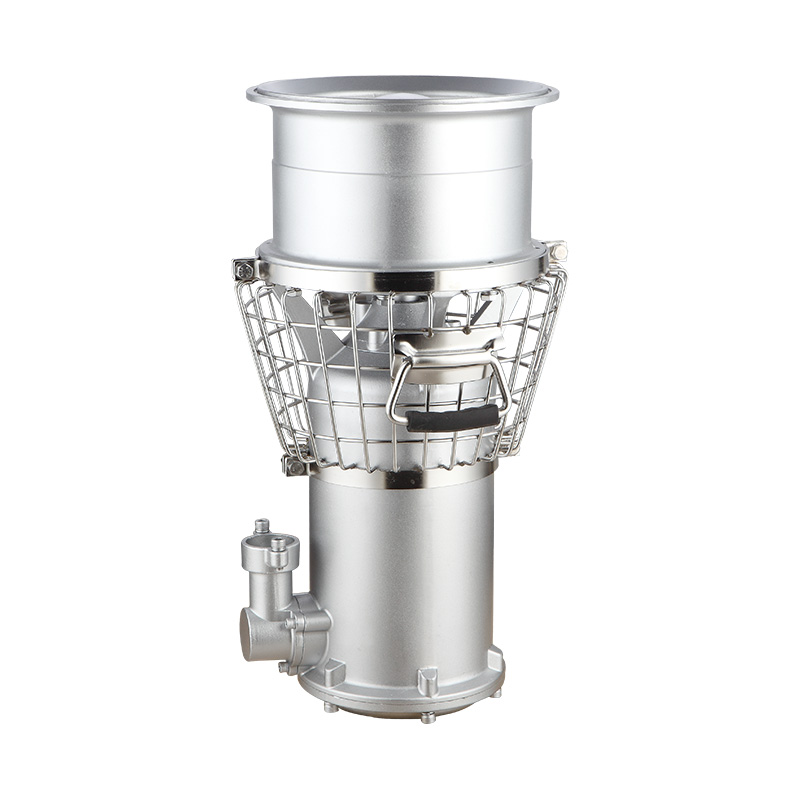
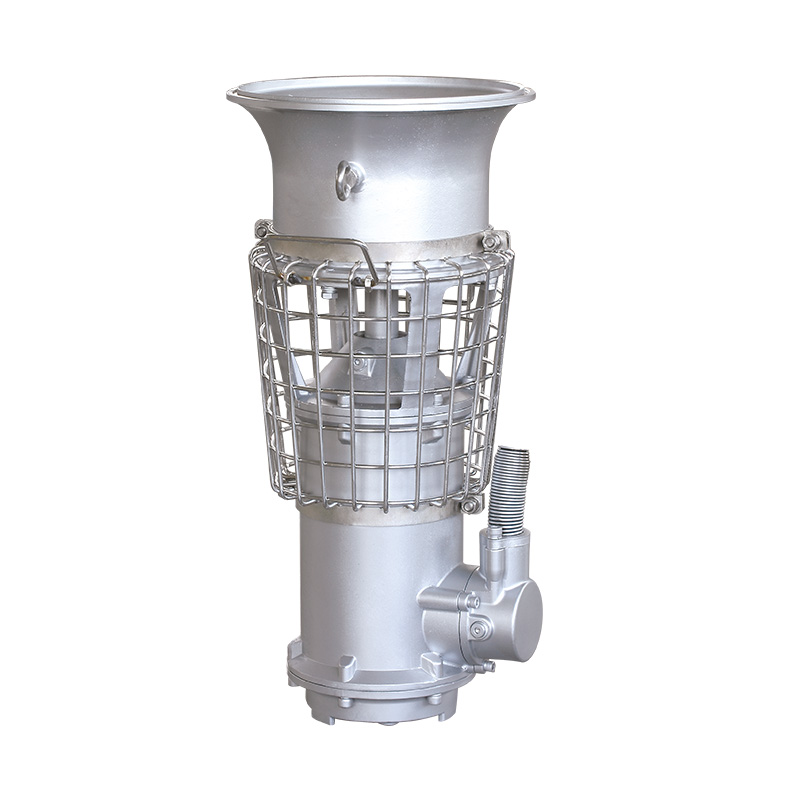
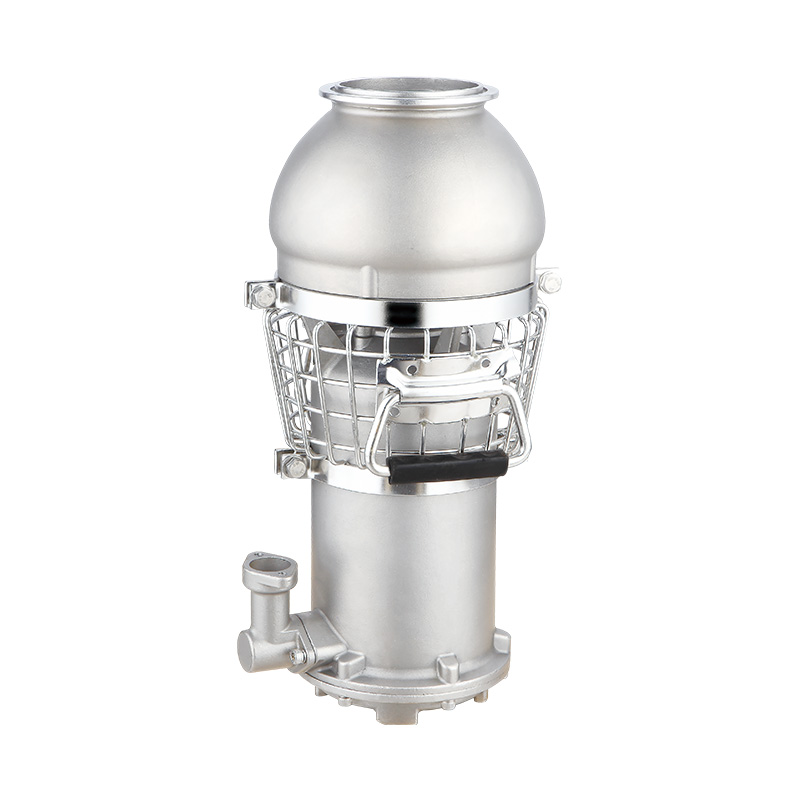
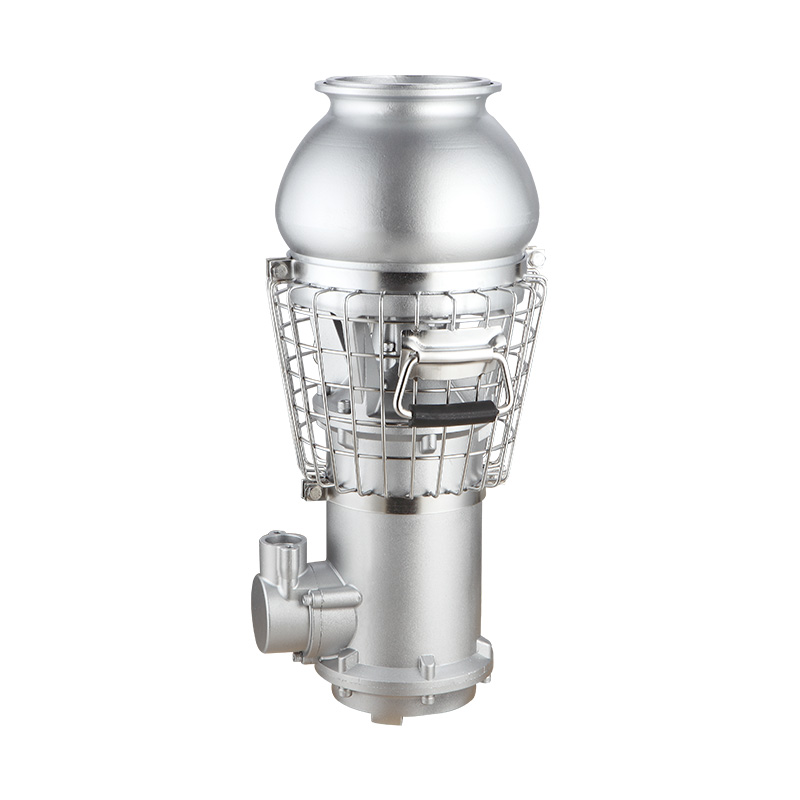
Flooding, heavy rainfall, underground construction, and emergency rescue operations are creating growing demand for reliable water management systems. Traditional pumping equipment may struggle under unstable or high-demand conditions, especially during emergency deployment.
Modern drainage equipment is increasingly expected to provide:
For municipal engineering companies and emergency contractors, operational stability is becoming a key purchasing requirement.
International buyers are becoming more cautious when selecting industrial equipment suppliers. Beyond equipment specifications, procurement teams increasingly focus on engineering capability, manufacturing consistency, and technical support.
Zhejiang Chuangmei Electromotor Co., Ltd. has accumulated years of technical experience in industrial pump and motor manufacturing. Through continuous research in permanent magnet motor technology and submersible pump development, the company supports more stable and energy-efficient solutions for global construction and drainage applications.
For overseas customers, strong manufacturing capability often means better long-term product reliability and lower maintenance risk.
Construction companies today increasingly evaluate equipment based on lifecycle performance rather than initial purchase price alone.
Professional buyers commonly focus on:
Reliable suppliers with mature production management systems are becoming more competitive in international construction markets.
The construction equipment industry is steadily moving toward more intelligent, energy-efficient, and environmentally adaptable technologies. Contractors increasingly require equipment capable of supporting both operational efficiency and long-term reliability.
Future industry trends are expected to include:
As global infrastructure development continues accelerating, advanced Drainage Pump systems and modern Electronic Frequency Conversion Low Noise Concrete Vibrator equipment are expected to remain essential tools for improving construction efficiency, reducing downtime, and supporting long-term project performance.



 English
 عربى
عربى
 简体中文
简体中文
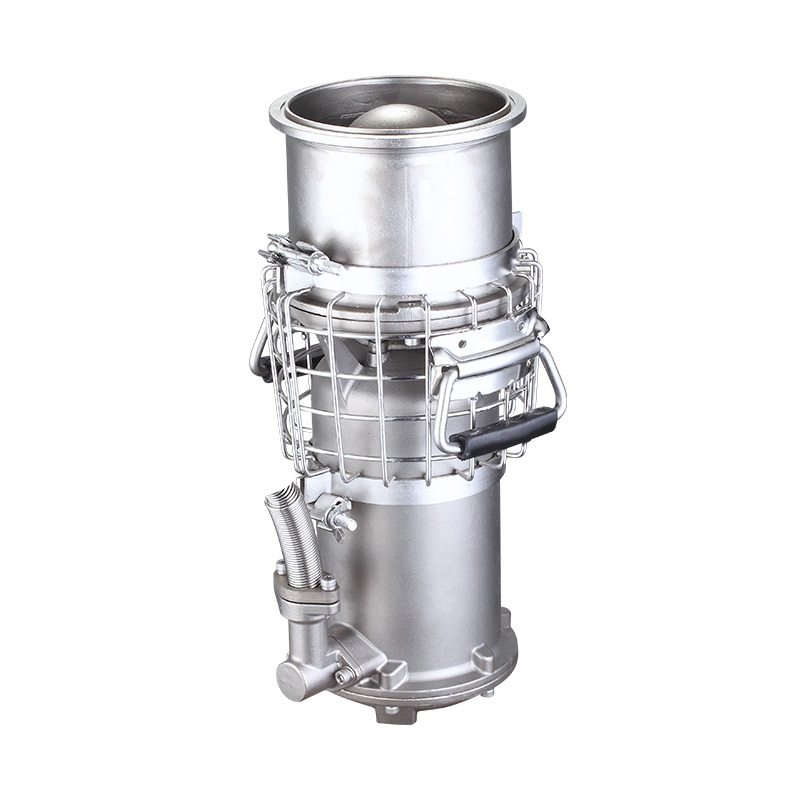
.jpg "DN200 Aluminum Alloy Flood Control Pump")