Global construction and infrastructure industries are changing rapidly as contractors face increasing pressure to improve efficiency, reduce downtime, and manage operating costs more effectively. In recent years, overseas buyers have become more selective when purchasing construction machinery, especially for equipment used in concrete processing and emergency water management. Traditional machinery that once met basic project needs is now struggling to satisfy modern construction standards, particularly in large urban projects and demanding infrastructure environments.
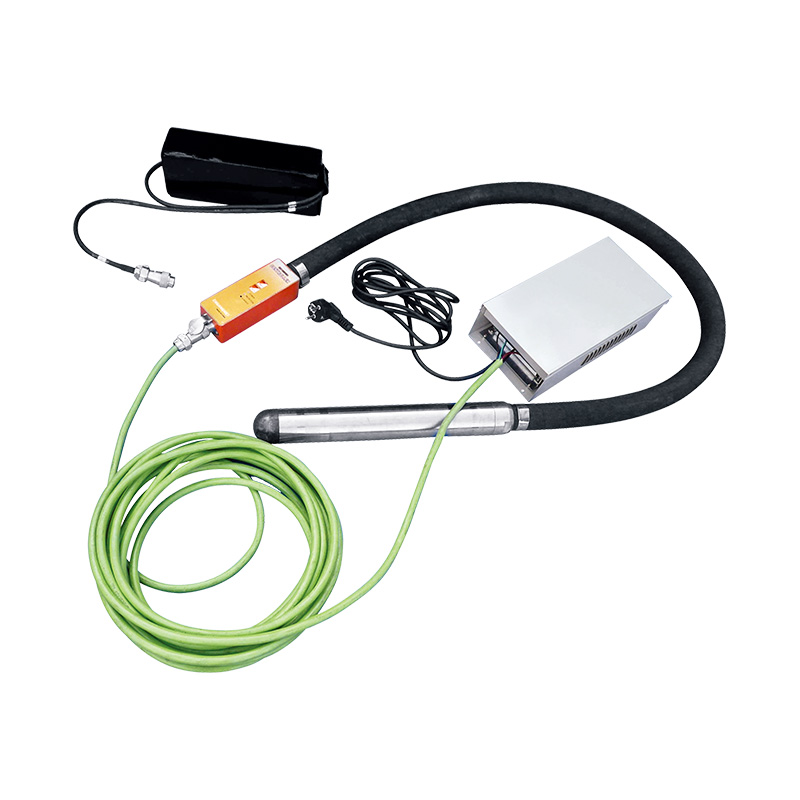
As labor costs continue rising and project schedules become tighter, construction companies are actively seeking equipment that offers better energy efficiency, lower maintenance requirements, and more stable long-term operation.
Many traditional construction machines still rely on older motor systems and fixed-speed operation structures. While these systems may continue functioning under basic conditions, they often create operational inefficiencies that become more noticeable during long-term use.
Common problems include:
For contractors managing multiple projects simultaneously, these issues can gradually increase both operating costs and maintenance pressure.
As more construction work takes place in residential districts, commercial centers, and transportation infrastructure zones, equipment noise control is becoming increasingly important. Local regulations in many overseas markets are also becoming stricter regarding construction-site environmental impact.
Low-noise equipment helps contractors improve:
This is one reason why quieter industrial equipment is receiving growing attention across international construction markets.
Construction companies today are paying closer attention to long-term equipment operating costs rather than only initial purchase pricing. Rising electricity and fuel expenses are encouraging buyers to prioritize energy-saving technologies when selecting industrial machinery.
Modern frequency conversion systems help improve:
For large construction projects running equipment for extended periods, energy efficiency directly affects long-term operational profitability.
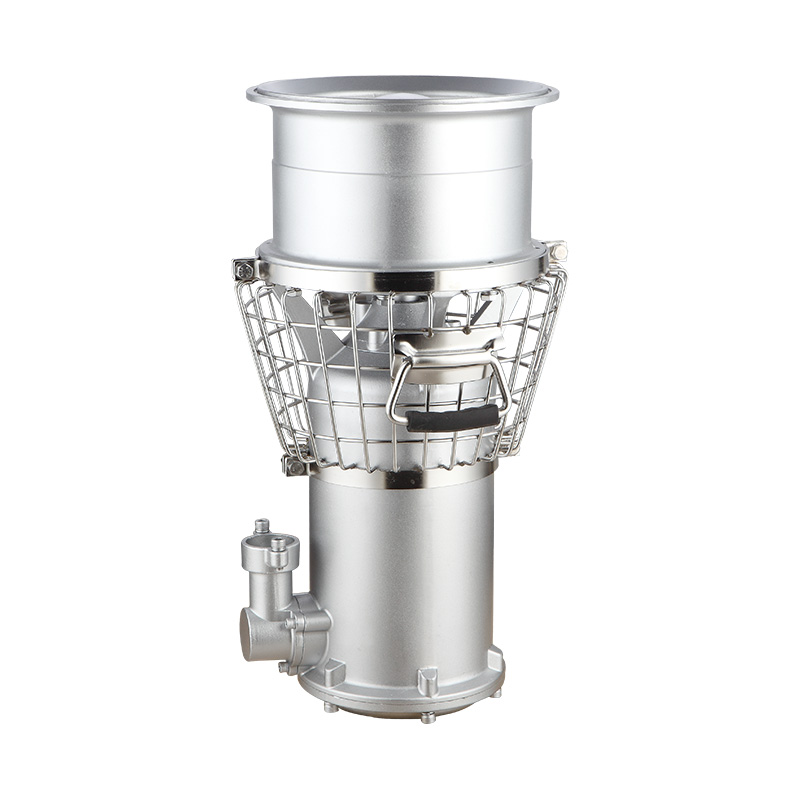
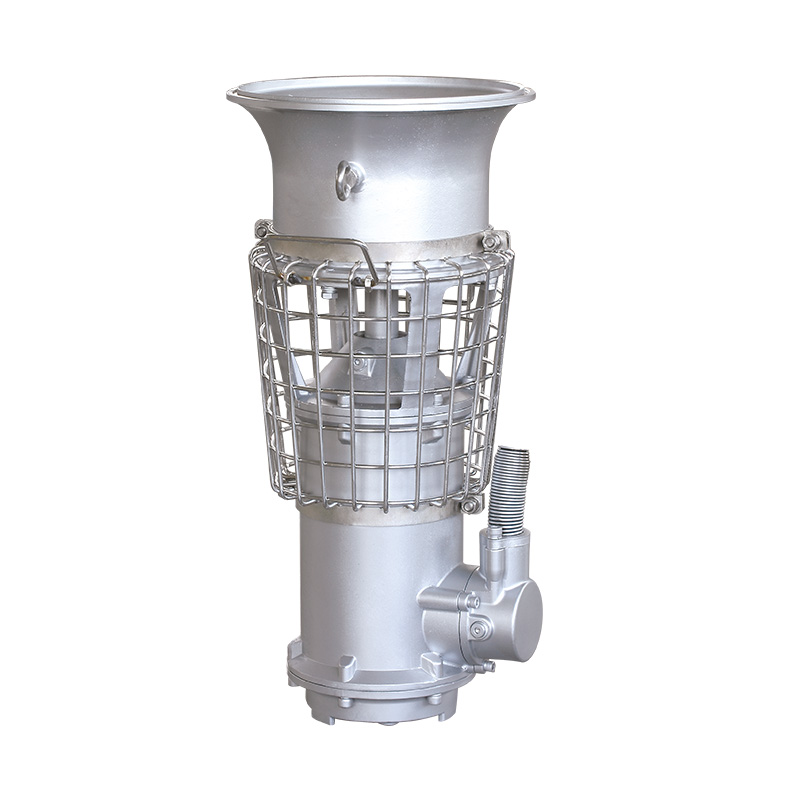
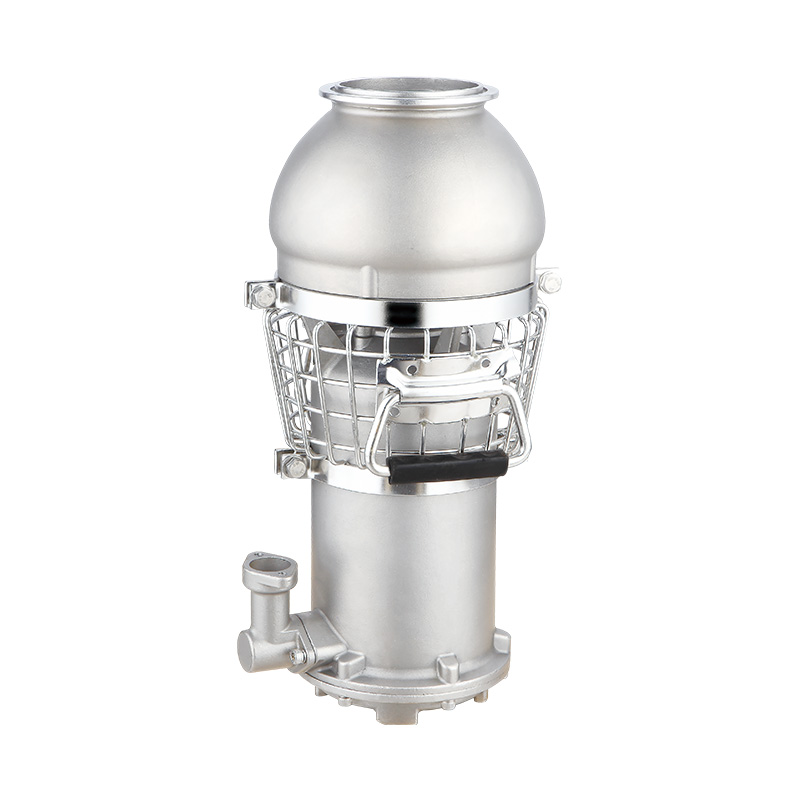
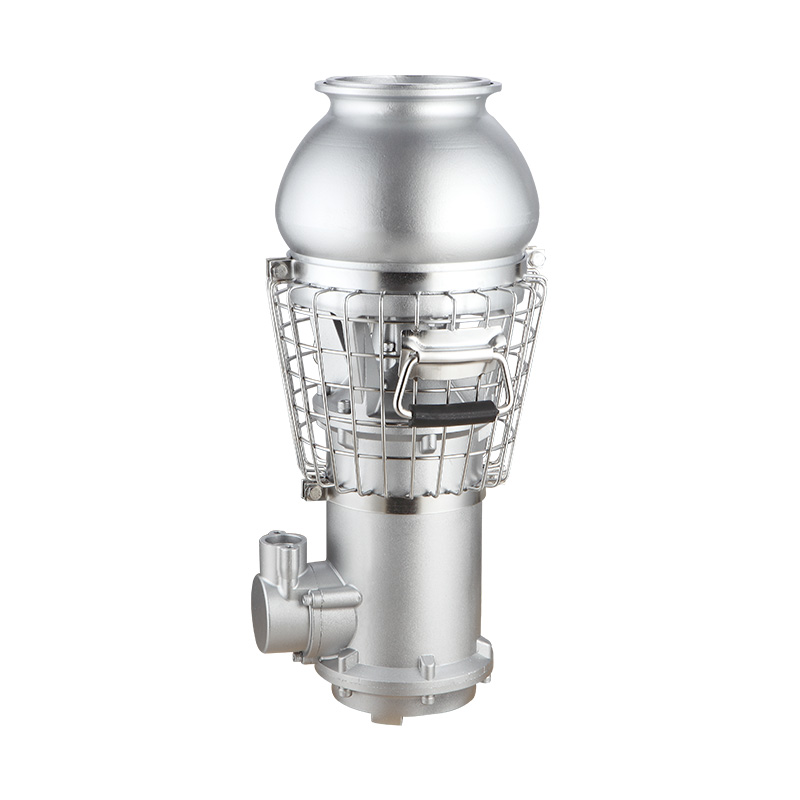
Extreme weather conditions, urban flooding, underground construction, and tunnel engineering projects are increasing demand for more reliable water removal systems. Traditional pumping equipment may struggle during emergency operations or prolonged high-volume drainage tasks.
Modern pumping systems are increasingly expected to support:
Contractors and municipal engineering companies are increasingly prioritizing operational reliability when selecting water management equipment.
International buyers are becoming more cautious when evaluating industrial equipment suppliers. Stable manufacturing quality, technical innovation, and engineering capability now play a much larger role in procurement decisions.
Zhejiang Chuangmei Electromotor Co., Ltd. has accumulated years of experience in motor technology and industrial pump manufacturing. The company’s continued focus on permanent magnet motor innovation and industrial pump development helps support more energy-efficient and stable equipment solutions for global construction and drainage markets.
For overseas buyers, strong technical capability often means better long-term operational stability and lower maintenance risk.
Modern procurement teams increasingly evaluate industrial equipment based on lifecycle performance rather than short-term pricing alone.
Professional buyers commonly focus on:
Reliable suppliers with mature quality management systems are often better positioned for long-term international cooperation.
The global construction industry is steadily moving toward more intelligent, energy-efficient, and environmentally adaptable equipment solutions. Smart control systems, efficient motor technology, and improved operational flexibility are becoming key industry trends.
As construction environments continue evolving worldwide, advanced Drainage Pump systems and modern Electronic Frequency Conversion Low Noise Concrete Vibrator equipment are expected to remain important solutions for improving project efficiency, operational reliability, and long-term construction performance.



 English
 عربى
عربى
 简体中文
简体中文
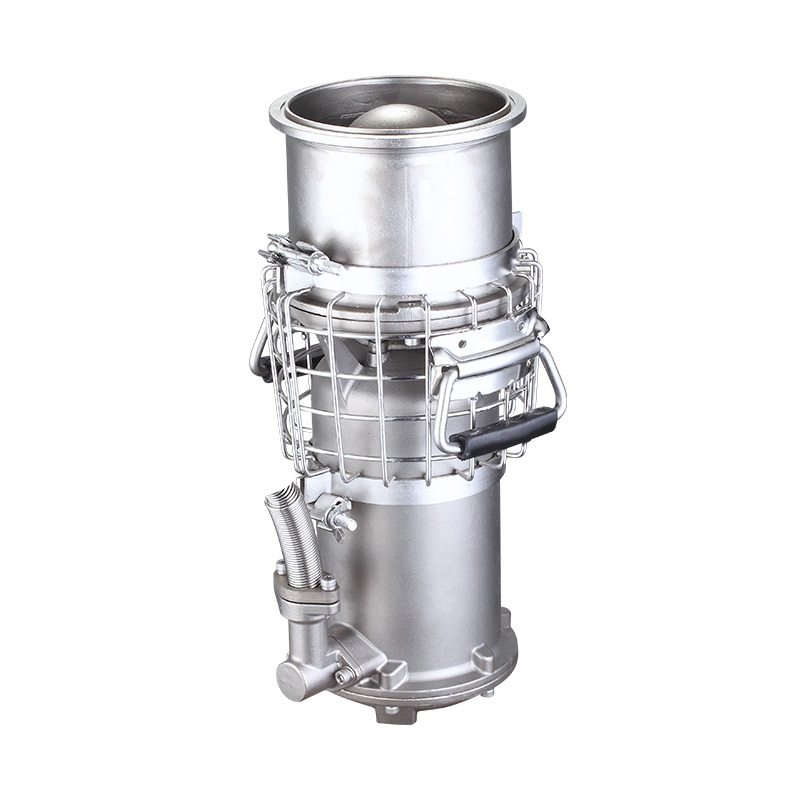
.jpg "DN200 Aluminum Alloy Flood Control Pump")