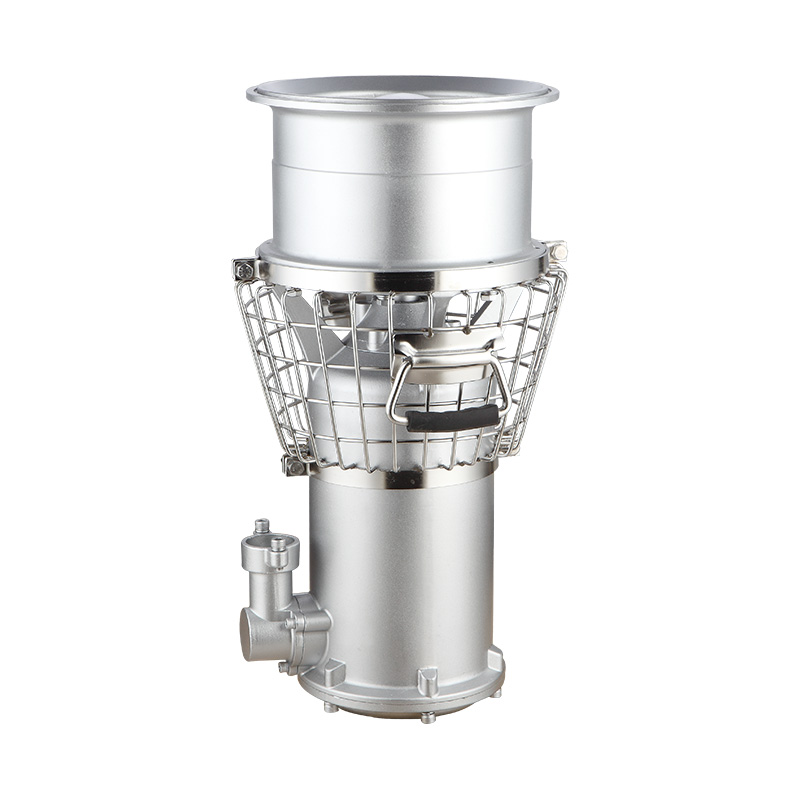
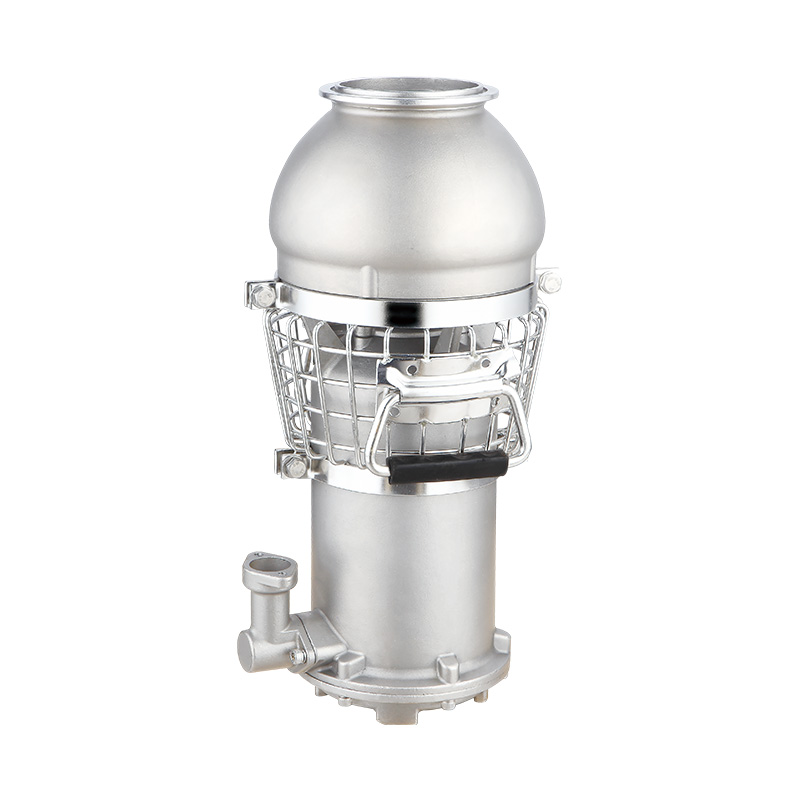
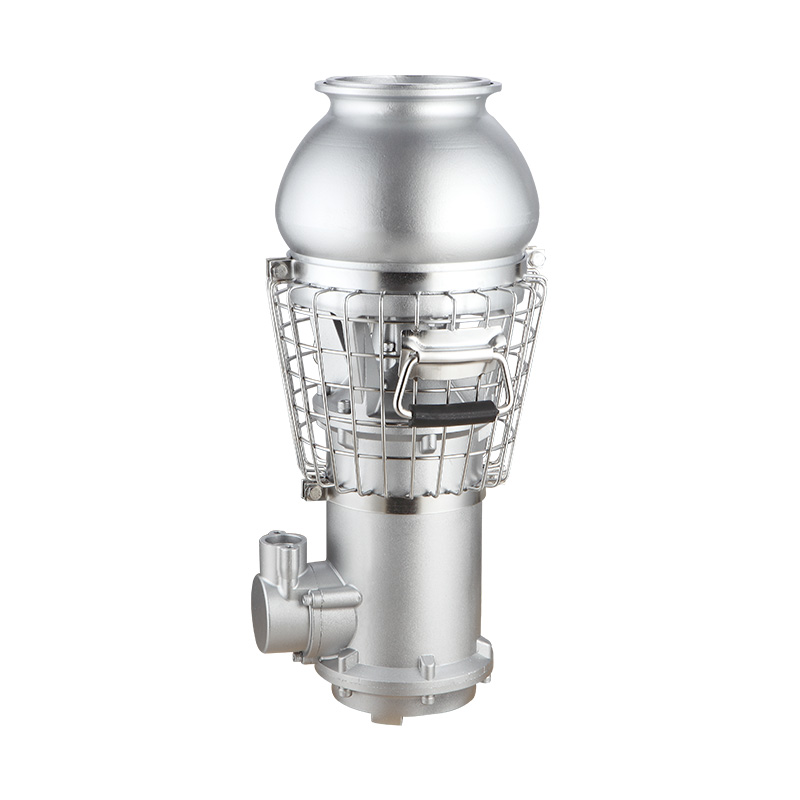
As extreme rainfall and localized flooding place additional pressure on drainage infrastructure, businesses are paying more attention to how quickly water can be removed from vulnerable areas. An Emergency Flood Control Pump can provide a practical option when fixed drainage systems cannot handle temporary water accumulation or when pumping equipment needs to be moved between different locations. For contractors, facility managers, municipalities, and industrial buyers, the key consideration is not simply pumping capacity, but whether the equipment fits the site's water conditions, power supply, transportation requirements, and expected response procedure.
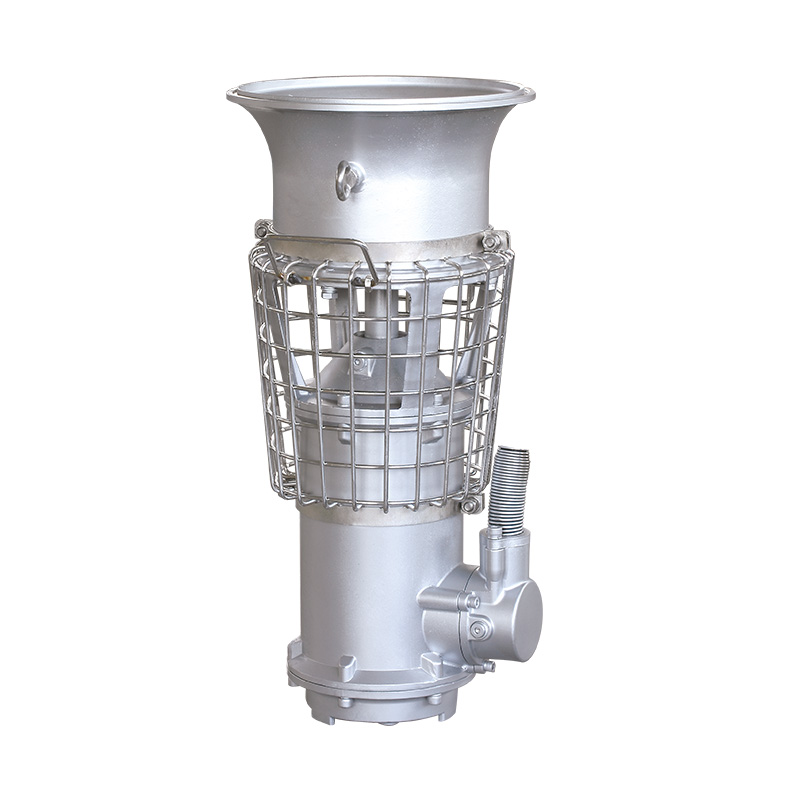
Floodwater can affect more than floors and access roads. Electrical rooms, warehouses, production areas, underground facilities, and equipment foundations may all require rapid drainage to reduce operational disruption.
A suitable emergency pump can be positioned where temporary water accumulation occurs and connected to an appropriate discharge route. For industrial buyers, identifying these vulnerable locations in advance makes it easier to determine pump capacity, hose requirements, and deployment arrangements before an emergency occurs.
Not every flooding situation involves the same type of water. Relatively clear rainwater, muddy runoff, and water containing suspended particles can place different demands on pump components.
During equipment selection, buyers should consider:
Providing this information to the manufacturer can help engineers evaluate a more suitable pump configuration instead of selecting equipment only from a standard flow-rate specification.
Emergency pumping equipment may need to serve multiple buildings, construction areas, or drainage points. A portable design allows one pumping unit to be relocated according to the changing conditions of the site.
However, portability involves more than reducing equipment weight. Handles, support frames, connection points, lifting arrangements, and hose compatibility can all influence field deployment. A well-planned design should allow operators to move and position the equipment without adding unnecessary preparation steps.
Flooding may occur at the same time as power interruptions, so the relationship between the pump and its power source should be considered during procurement. Buyers should determine whether the equipment will operate from the site's normal electrical supply, a portable generator, or another available power system.
Motor specifications, starting requirements, control arrangements, and connection standards should be evaluated as a complete system. This can help prevent a situation where the selected pump meets the hydraulic requirements but cannot be conveniently operated at the emergency location.
Unlike continuously operating drainage equipment, emergency pumps may spend considerable time in storage. Their readiness therefore depends on regular inspection and straightforward maintenance.
Before placing equipment into storage, operators can check key components, electrical connections, seals, hoses, and moving parts. Periodic test operation can also help identify problems before the equipment is required for an actual flood response.
For distributors, easy maintenance and accessible replacement components can also reduce service complexity for end users.
A reliable flood-response setup involves more than the pump itself. Storage location, transportation, power, intake arrangement, discharge routing, operator access, and maintenance procedures all influence how quickly equipment can become operational.
This is why manufacturers should communicate with buyers about the intended application before production. Understanding the operating environment allows technical teams to consider the pump, motor, supporting structure, and connection requirements as a coordinated solution.
At Zhejiang Chuangmei Electromotor Co., Ltd., we approach emergency pumping equipment from the perspective of real operating conditions rather than isolated specifications. By considering water characteristics, mobility, power availability, maintenance, and deployment requirements together, we help overseas contractors, distributors, and industrial buyers identify suitable Emergency Flood Control Pump solutions for temporary drainage, facility protection, construction sites, and other emergency applications.



 English
 عربى
عربى
 简体中文
简体中文
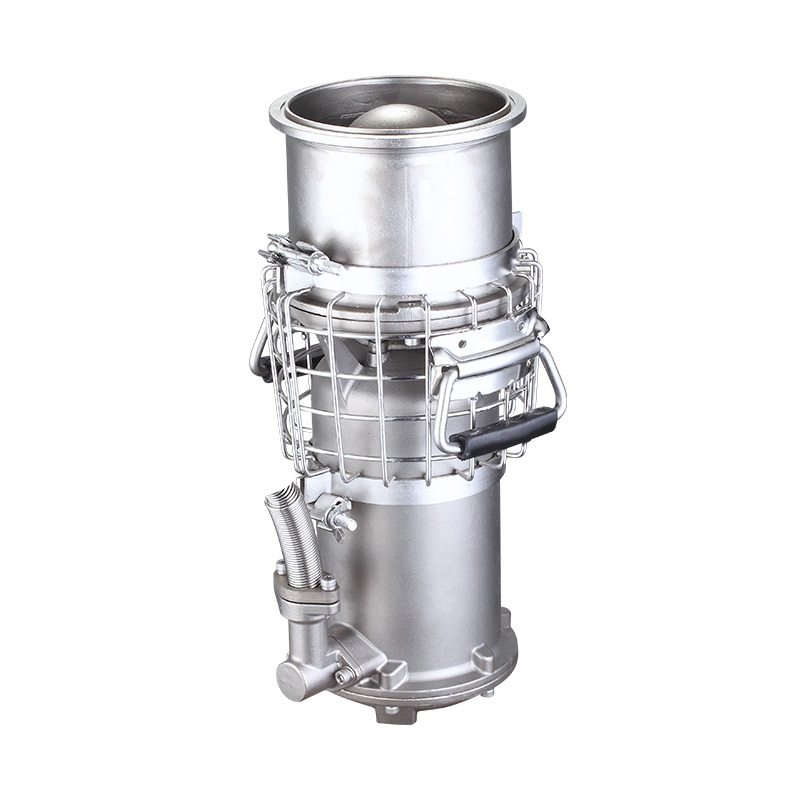
.jpg "DN200 Aluminum Alloy Flood Control Pump")