Across global construction sites and infrastructure development projects, two technical priorities are reshaping equipment procurement decisions: noise control and energy efficiency. Contractors, municipal buyers, and engineering teams are no longer evaluating machinery only by output power, but also by operational stability, environmental impact, and compliance with increasingly strict urban construction regulations.
Recent overseas search trends show rising interest in terms such as “low noise concrete vibration equipment for urban construction,” “energy saving vibration motor for precast concrete work,” and “high efficiency drainage pump for flood control systems.” These reflect a clear shift toward smarter, quieter, and more efficient construction and water management equipment.
In densely populated cities, construction noise has become a major regulatory concern. Many municipalities now enforce strict limits on allowable decibel levels during working hours, especially in residential or mixed-use zones.
Common challenges on job sites include:
To address these issues, contractors are increasingly adopting low-noise vibration systems designed to maintain performance while reducing acoustic impact.
Construction and industrial buyers are now evaluating equipment based on energy consumption over long operational cycles rather than short-term output performance.
Key procurement considerations include:
This shift is especially relevant in large infrastructure projects where equipment runs for extended periods under heavy load.
One of the most significant developments in construction machinery is the integration of frequency conversion systems. This allows equipment to adjust operating speed based on real-time load requirements.
Typical benefits include:
This is particularly valuable in precast concrete production, where consistent vibration quality directly affects structural integrity.
In recent years, many cities worldwide have experienced increased flooding due to extreme weather events and aging drainage infrastructure. As a result, municipal authorities and engineering contractors are upgrading pumping systems to improve emergency response capability.
These needs are driving demand for more efficient and durable pumping solutions in flood control engineering.
Across both construction and water management sectors, equipment downtime has a direct impact on project timelines and operational costs. Buyers are increasingly prioritizing machines that require minimal maintenance.
Typical expectations include:
This trend is particularly strong in municipal projects where equipment must operate reliably during emergency conditions.
In concrete construction, vibration consistency plays a critical role in determining final structural quality. Uneven vibration can lead to voids, reduced strength, and surface defects.
Key engineering concerns include:
These factors are pushing contractors toward more controlled and adjustable vibration technologies.
Modern infrastructure projects increasingly require equipment that combines efficiency, durability, and environmental adaptability. Rather than using separate traditional systems, buyers are moving toward integrated solutions that improve overall performance.
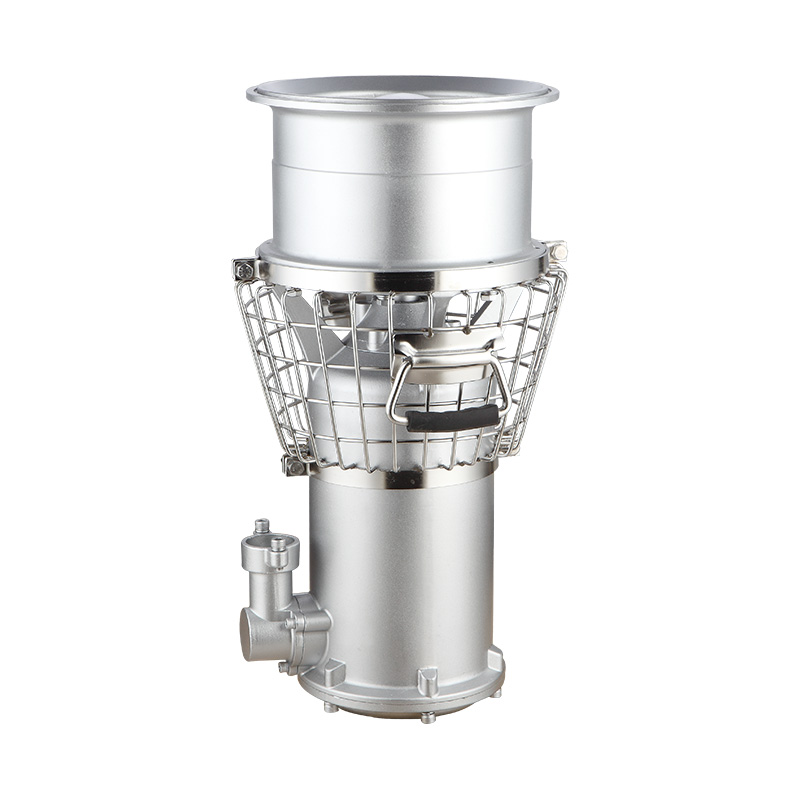
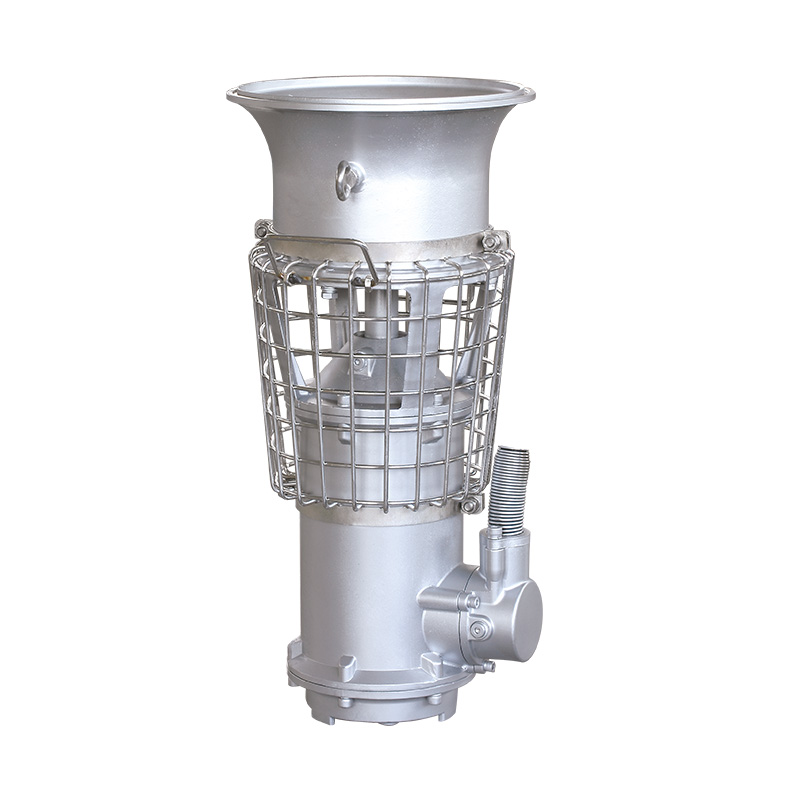
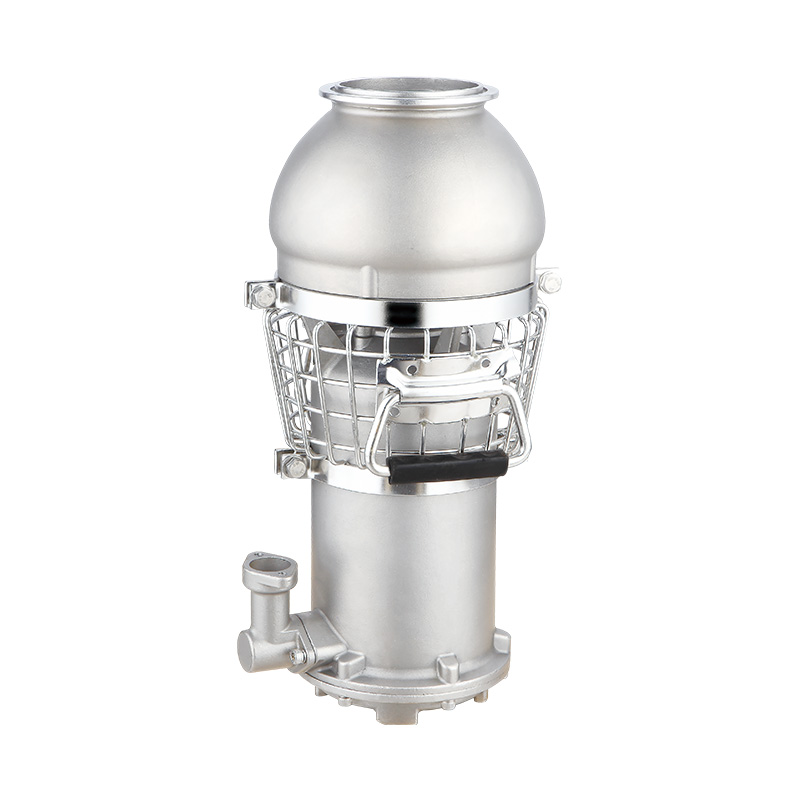
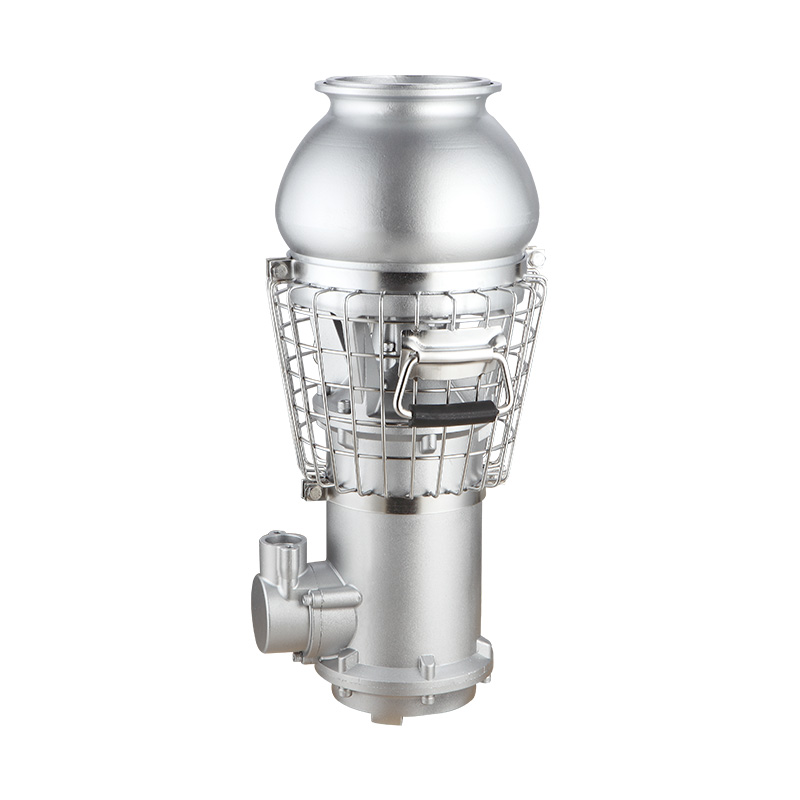
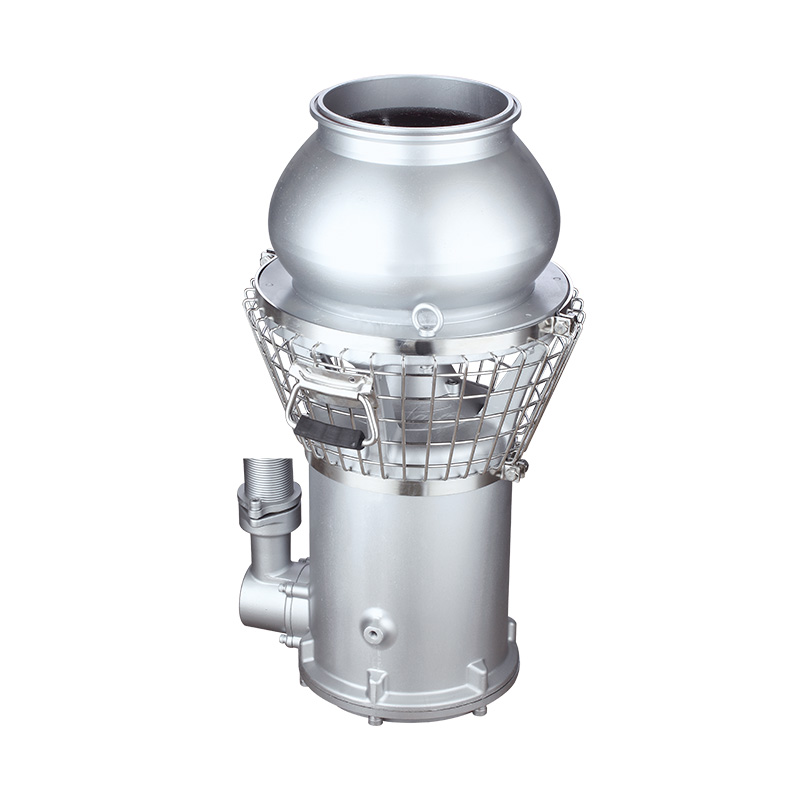
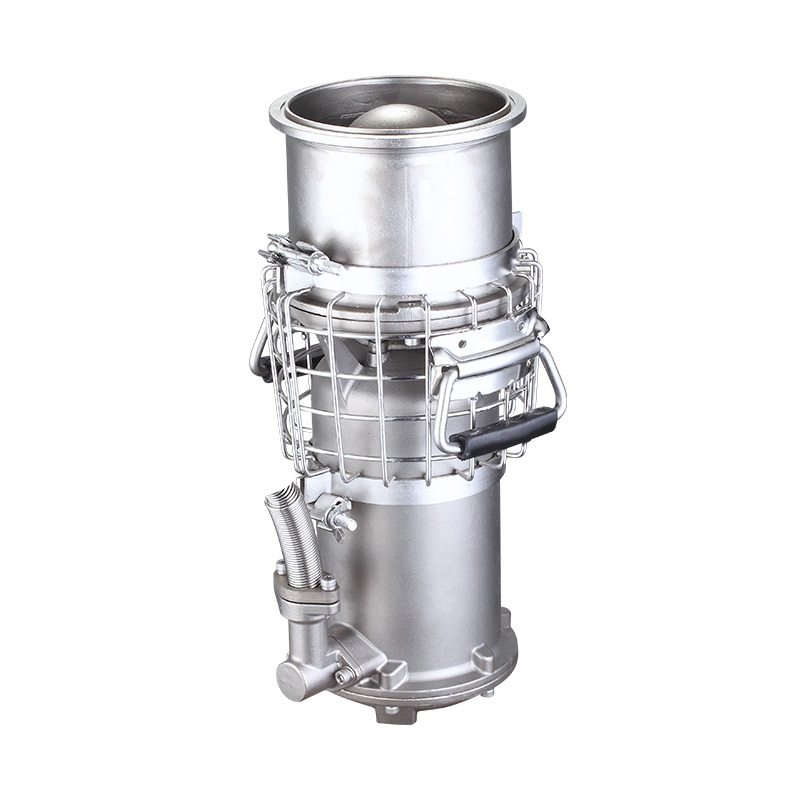
This is why demand for Electronic Frequency Conversion Low Noise Concrete Vibrator systems continues to rise in urban construction and precast applications, while high-efficiency drainage and emergency systems such as the Permanent Magnet Flood Control Pump are becoming essential components in modern flood management and municipal infrastructure projects.



 English
 عربى
عربى
 简体中文
简体中文
.jpg "DN200 Aluminum Alloy Flood Control Pump")