Zhejiang Chuangmei Electromotor Co., Ltd.
Across the construction and infrastructure sectors, project owners and contractors are facing two growing challenges: improving construction quality while preparing for increasingly unpredictable weather events. As governments invest in resilient infrastructure and urban drainage systems, engineers are paying closer attention to equipment efficiency, durability, and energy consumption. In this context, the Electronic Frequency Conversion Low Noise Concrete Vibrator has attracted increasing interest from contractors seeking better concrete consolidation while reducing jobsite noise and improving operational control.
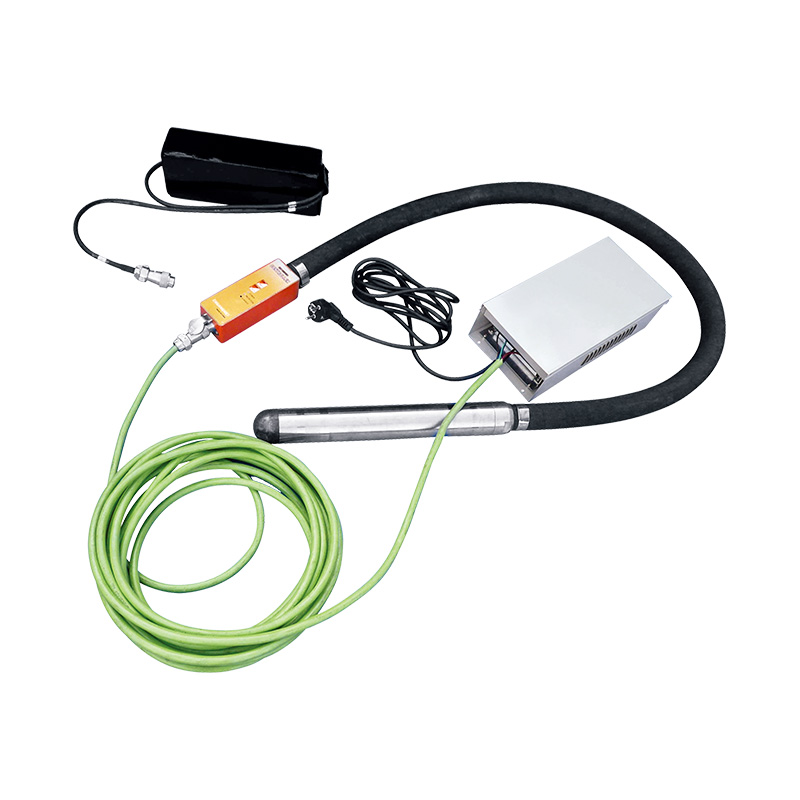
Recent industry discussions show that buyers are no longer focused solely on equipment output. They are actively searching for solutions that improve project efficiency, lower maintenance requirements, and support sustainable construction practices.
Infrastructure projects are becoming more demanding, particularly in bridges, tunnels, foundations, and high-rise construction. Poor concrete compaction can lead to voids, reduced structural integrity, and costly repairs.
Engineers are increasingly looking for equipment that can:
Variable-frequency technology is becoming particularly attractive because it allows operators to better match vibration intensity to project requirements.
Noise reduction has become a growing concern in urban construction projects. Contractors working near residential zones, hospitals, schools, and commercial districts often face stricter environmental requirements.
Procurement teams are prioritizing equipment that offers:
As a result, low-noise construction equipment is becoming a competitive advantage rather than simply a product feature.
Extreme rainfall and flooding events have become a frequent topic in engineering forums and municipal infrastructure discussions. Cities, industrial facilities, and construction sites are investing more heavily in drainage and emergency water management systems.
Key concerns among buyers include:
This trend is creating new opportunities for advanced pumping technologies designed for flood control and water management.
Energy consumption remains a major consideration for contractors and public infrastructure operators. Rising operational costs have increased demand for equipment that delivers strong performance without unnecessary power usage.
When evaluating modern construction and water-management equipment, buyers often focus on:
Equipment that balances performance with energy efficiency is increasingly favored in tender specifications and infrastructure projects.
Flood control equipment is often required to operate under urgent and challenging conditions. Reliability becomes essential when downtime could lead to property damage, construction delays, or public safety concerns.
Engineers commonly prioritize:
Products designed with long-term operational stability in mind are becoming increasingly attractive to municipalities and industrial operators.
As a manufacturer serving construction and infrastructure markets, we see growing demand for equipment that combines performance, efficiency, and adaptability. Buyers are seeking practical solutions capable of meeting both routine operational needs and unexpected challenges.
Common OEM and project requirements include:
This reflects a broader industry trend toward smarter equipment investments that support both productivity and sustainability goals.
As infrastructure projects become more complex and climate resilience gains importance, contractors and project owners are reevaluating how equipment contributes to long-term project success. Performance alone is no longer enough; efficiency, reliability, and adaptability are equally important.
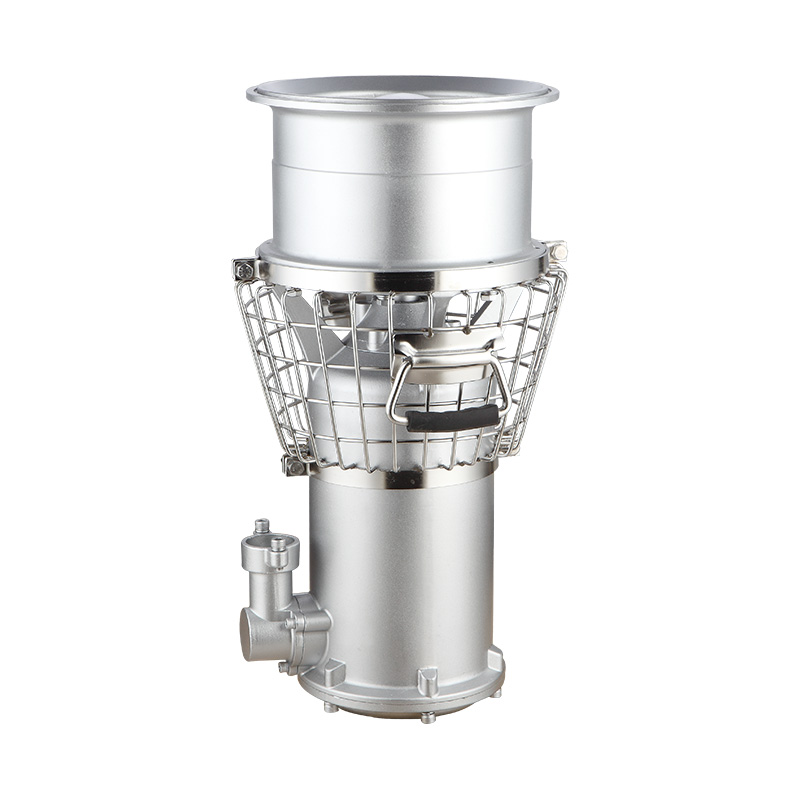
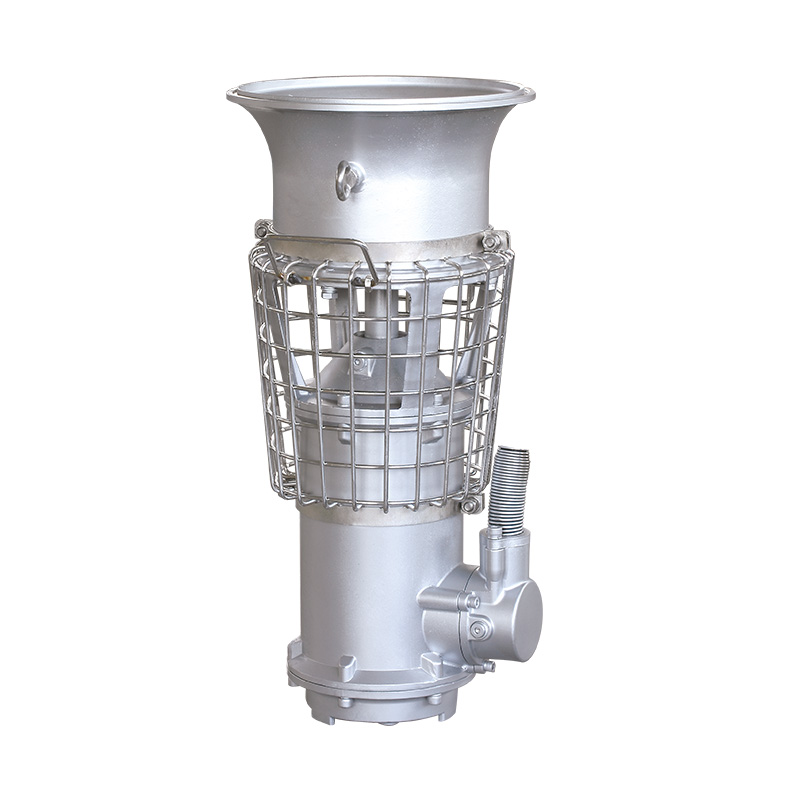
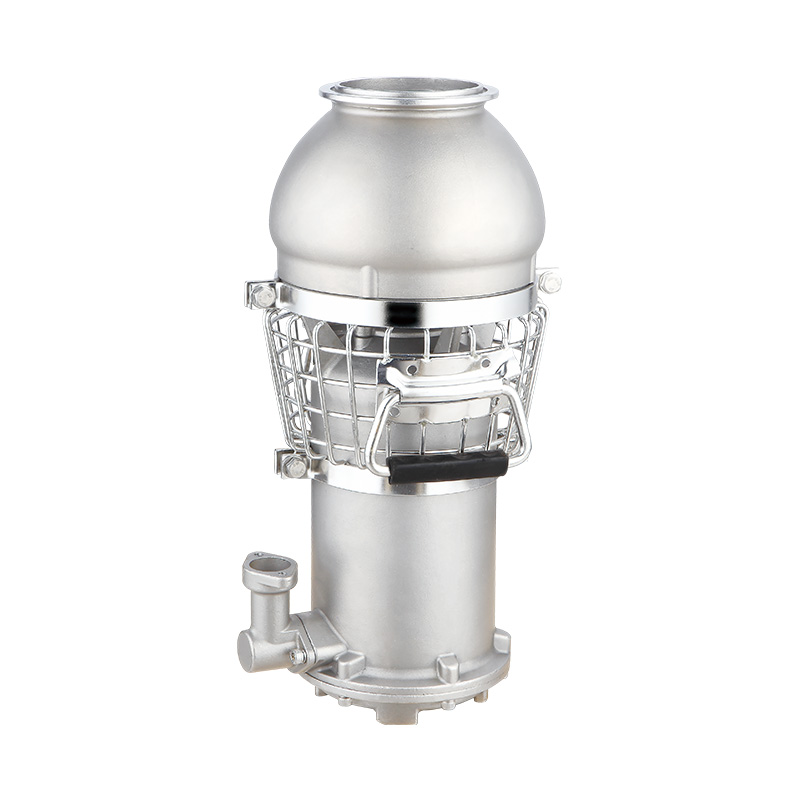
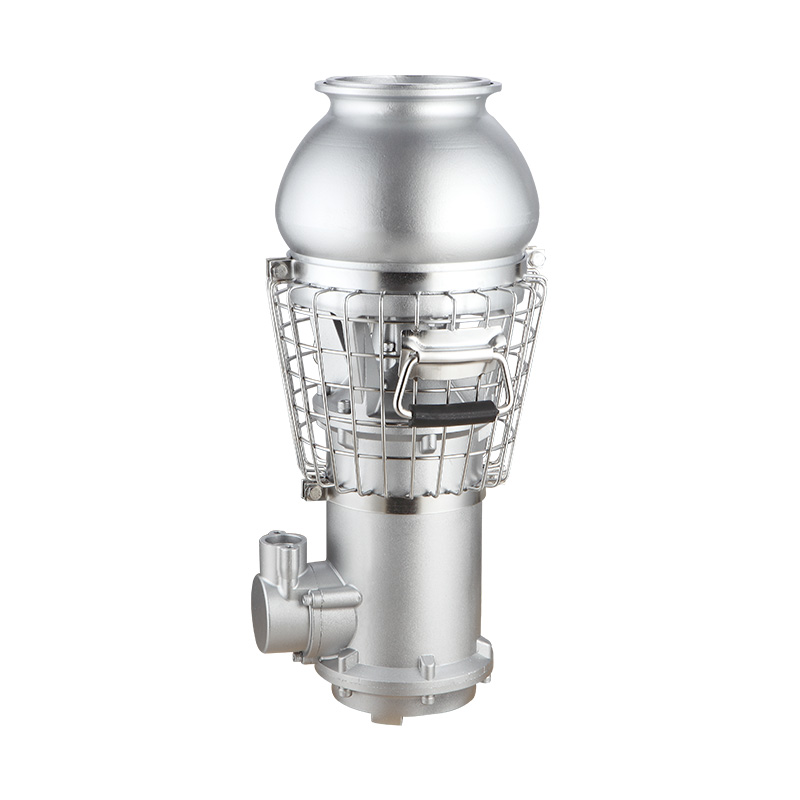
For organizations seeking dependable solutions in both construction and water-management applications, a Permanent Magnet Flood Control Pump can play a valuable role in improving operational readiness, reducing energy consumption, and supporting modern infrastructure development.



 English
 عربى
عربى
 简体中文
简体中文
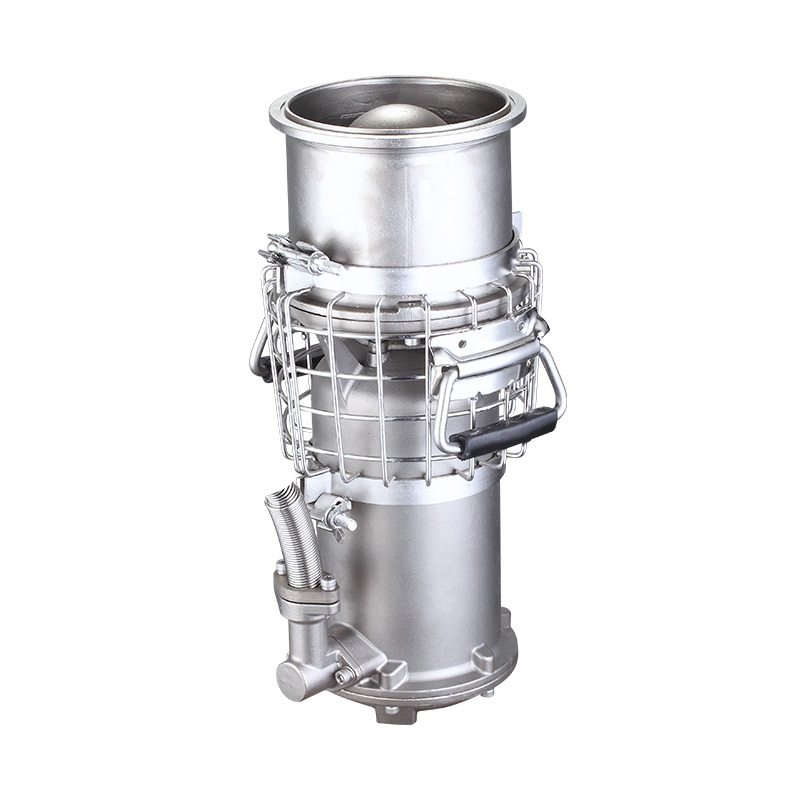
.jpg "DN200 Aluminum Alloy Flood Control Pump")