Zhejiang Chuangmei Electromotor Co., Ltd.
Global infrastructure projects are evolving rapidly. Contractors are expected to complete projects faster, meet stricter quality standards, and prepare for increasingly challenging environmental conditions. Whether working on transportation networks, municipal drainage systems, industrial facilities, or urban development projects, decision-makers are looking for equipment that delivers consistent performance while helping control long-term operating costs. In this context, the Electronic Frequency Conversion Low Noise Concrete Vibrator is becoming a preferred choice for construction teams seeking better concrete consolidation, improved jobsite efficiency, and reduced noise impact.
Recent discussions among engineers and project managers reveal a growing focus on equipment that can support both construction quality and infrastructure resilience.
Modern infrastructure projects are designed for long service life, which means construction quality is under greater scrutiny than ever before. Poor concrete compaction can lead to defects that affect durability and increase future maintenance requirements.
As a result, engineers increasingly seek equipment that helps:
Reliable vibration control has become a critical factor in meeting these expectations.
Many infrastructure projects now take place in densely populated urban environments. Construction activities near residential buildings, commercial districts, and public facilities often face stricter operational requirements.
Buyers are paying closer attention to:
Low-noise construction equipment is increasingly valued for helping contractors manage both productivity and community impact.
Across many regions, extreme weather events are prompting greater investment in flood prevention and emergency water management infrastructure. Municipalities and industrial operators are expanding their focus beyond traditional drainage systems.
Current procurement priorities include:
These factors are driving demand for advanced pumping technologies that can support both planned and emergency operations.
Energy consumption has become a major consideration in equipment selection. Project owners are increasingly evaluating operational costs over the full lifecycle of equipment rather than focusing solely on initial investment.
Engineers frequently assess:
Solutions that balance performance and efficiency are becoming increasingly attractive in both public and private infrastructure projects.
Infrastructure equipment often operates in demanding environments where reliability directly affects project outcomes. During flood events or large-scale construction activities, equipment failure can create significant delays and operational challenges.
Key buyer concerns include:
Dependable equipment helps reduce operational risks while supporting project continuity.
As a manufacturer, we see a clear shift toward equipment that delivers practical value beyond basic technical specifications. Buyers increasingly seek solutions that contribute to efficiency, sustainability, and long-term operational resilience.
Frequently requested features include:
These requirements reflect the broader transformation taking place across global infrastructure sectors.
As governments and private developers continue investing in durable and future-ready infrastructure, equipment selection is becoming a strategic decision. Buyers want solutions that support construction quality, environmental responsibility, and reliable operation under changing conditions.
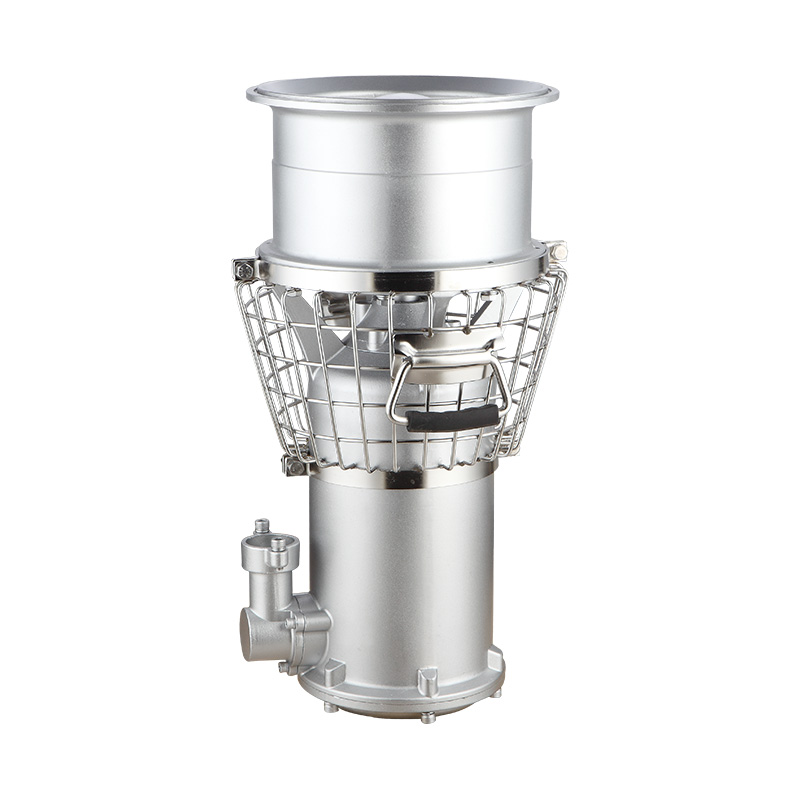
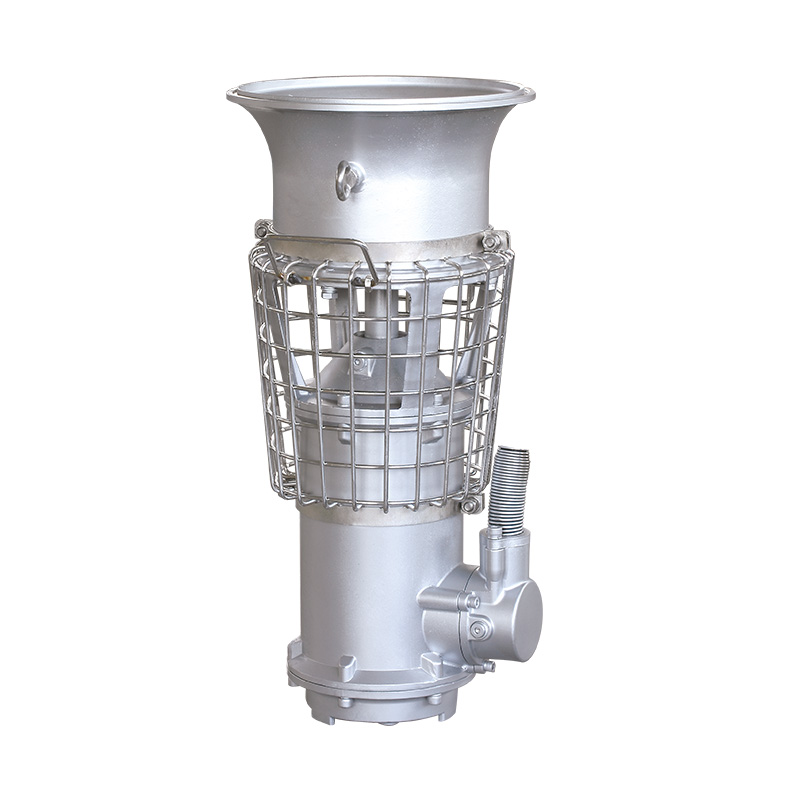
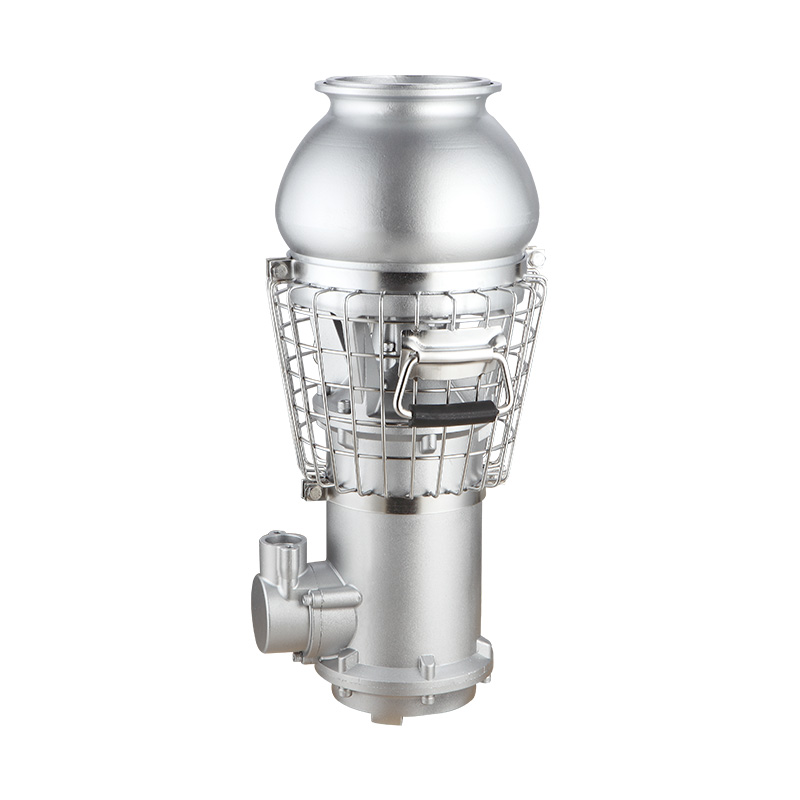
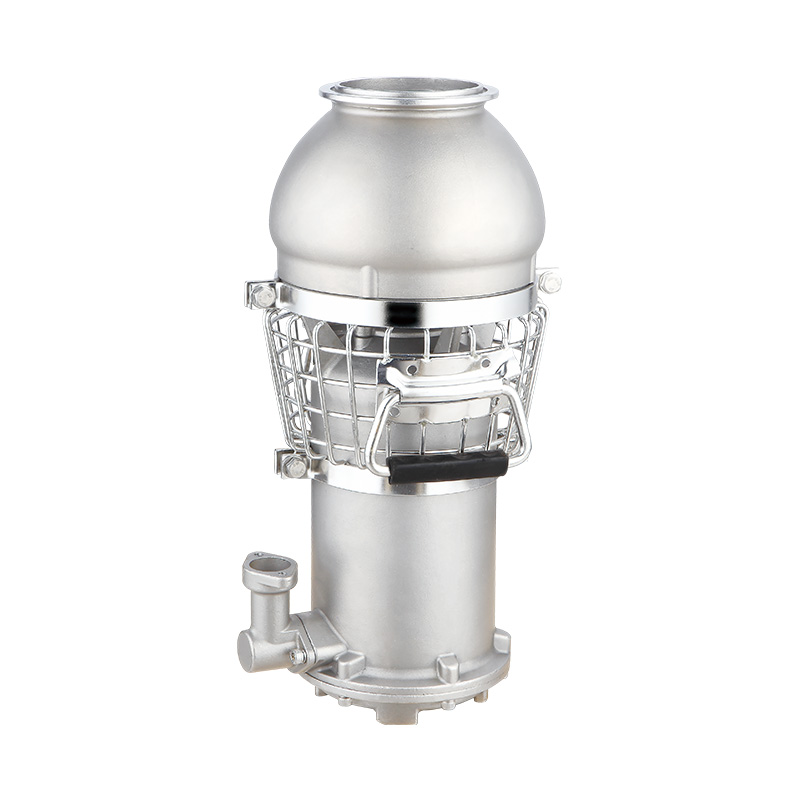
For organizations involved in drainage projects, emergency preparedness, and water-management systems, a Permanent Magnet Flood Control Pump offers a practical approach to improving operational efficiency while supporting long-term infrastructure resilience.



 English
 عربى
عربى
 简体中文
简体中文
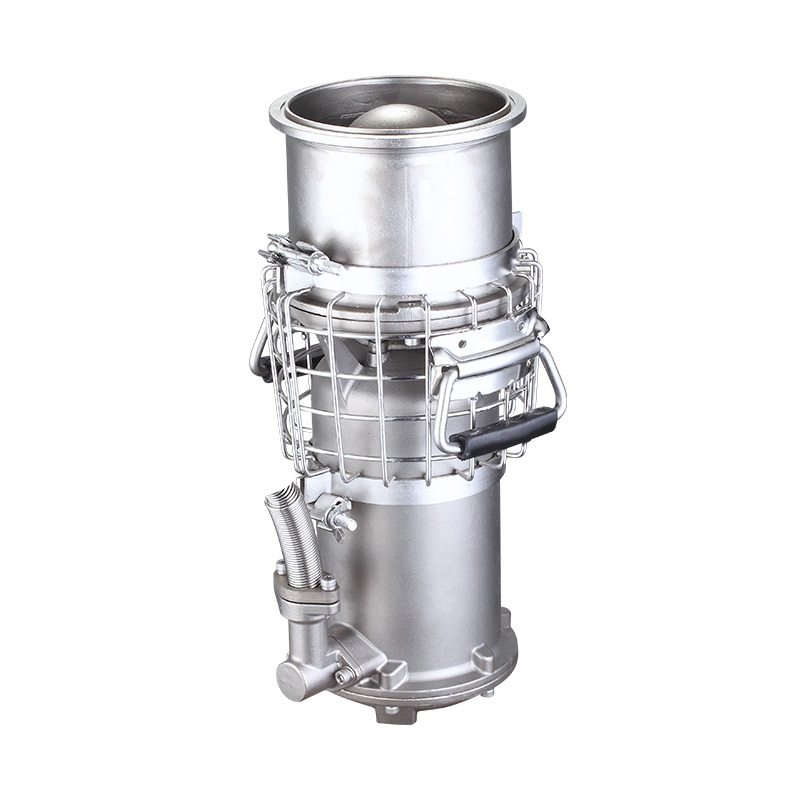
.jpg "DN200 Aluminum Alloy Flood Control Pump")