Zhejiang Chuangmei Electromotor Co., Ltd.
From urban redevelopment projects to flood-resilience initiatives, infrastructure investment remains a major focus across global markets. At the same time, contractors are under pressure to deliver higher-quality construction while controlling operating costs and meeting environmental expectations. These challenges are influencing equipment procurement decisions more than ever before. As a result, the Electronic Frequency Conversion Low Noise Concrete Vibrator is gaining attention among engineers and project managers looking to improve concrete performance while creating a more efficient jobsite environment.
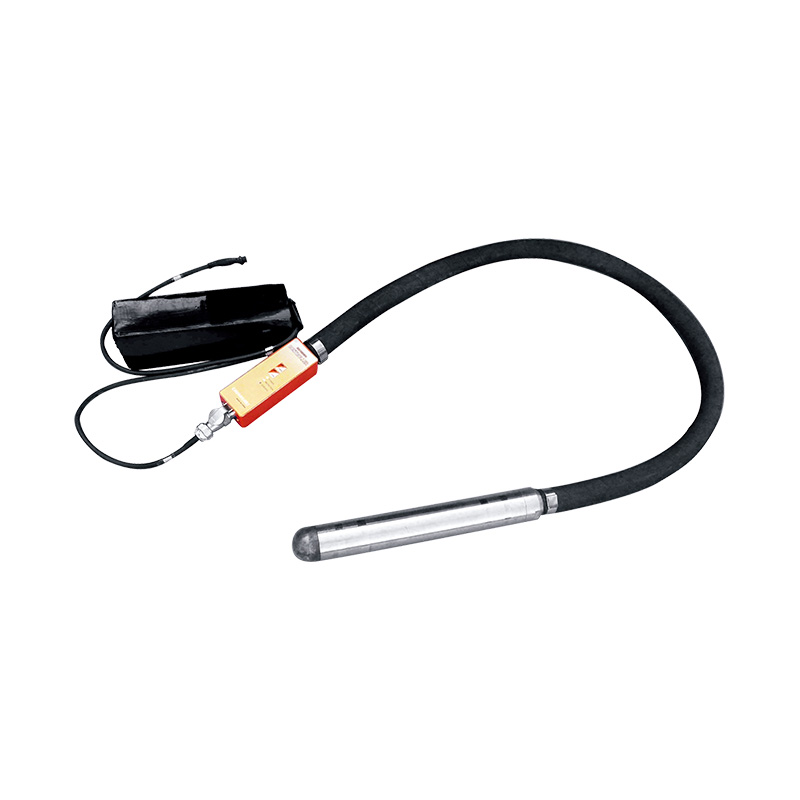
Rather than simply comparing equipment specifications, buyers are increasingly evaluating how machinery contributes to project quality, productivity, and long-term operational value.
The lifespan of infrastructure often depends on the quality of its concrete structure. Whether constructing bridges, retaining walls, industrial foundations, or drainage systems, proper concrete compaction remains a critical step.
Engineers are looking for solutions that help:
Equipment that delivers controlled and stable vibration is becoming increasingly important as construction standards continue to evolve.
Construction companies worldwide are facing ongoing labor challenges. Skilled operators are increasingly difficult to recruit in some markets, making productivity-enhancing equipment a priority.
Procurement teams often seek machinery that offers:
This focus on efficiency is driving demand for equipment that helps crews achieve more with available resources.
Sustainability is no longer limited to building materials. Project owners and contractors are also evaluating how construction equipment affects energy use, noise levels, and overall environmental impact.
Current buyer interests include:
These factors are increasingly included in project specifications, especially for public infrastructure developments.
Extreme weather events continue to influence infrastructure planning around the world. Municipal authorities, industrial facilities, and construction companies are investing more resources in drainage and emergency water management systems.
Key concerns include:
This growing focus on resilience is reshaping how buyers evaluate pumping solutions.
In critical infrastructure projects, reliability often outweighs maximum output. Unexpected downtime can delay schedules, increase costs, and create operational risks.
Engineers frequently prioritize:
Dependability has become one of the most important purchasing criteria in both construction and water-management sectors.
As a manufacturer, we see customers placing greater emphasis on total project value rather than individual equipment specifications. Buyers want machinery that integrates efficiently into broader construction and infrastructure strategies.
Common OEM and project requirements include:
These requests reflect the industry's move toward smarter and more adaptable equipment investments.
As infrastructure projects become more demanding and climate-related challenges continue to grow, contractors need equipment that delivers more than basic functionality. Efficiency, reliability, and adaptability are now central to purchasing decisions.
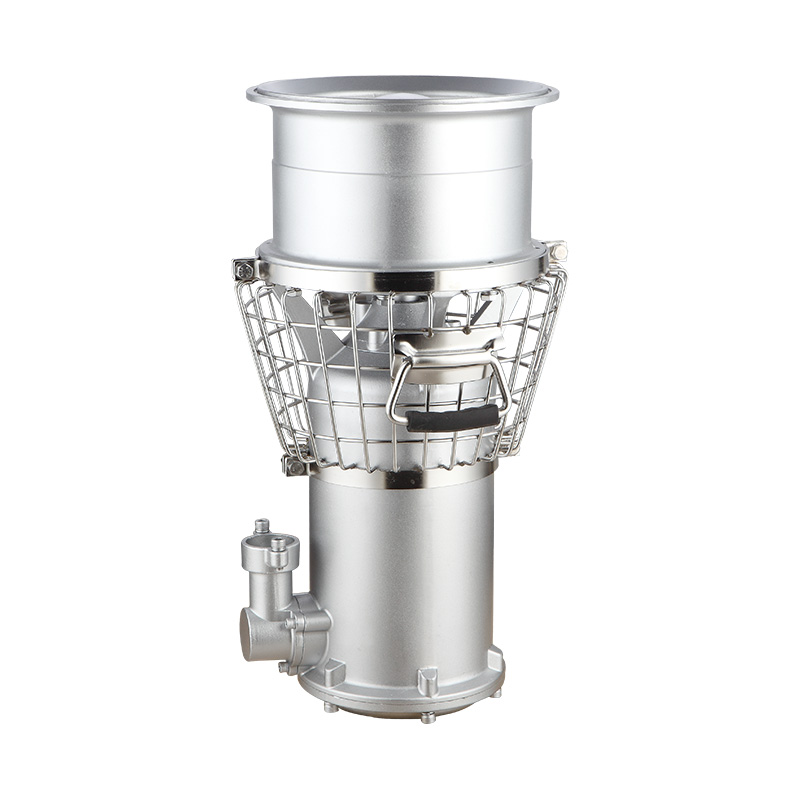
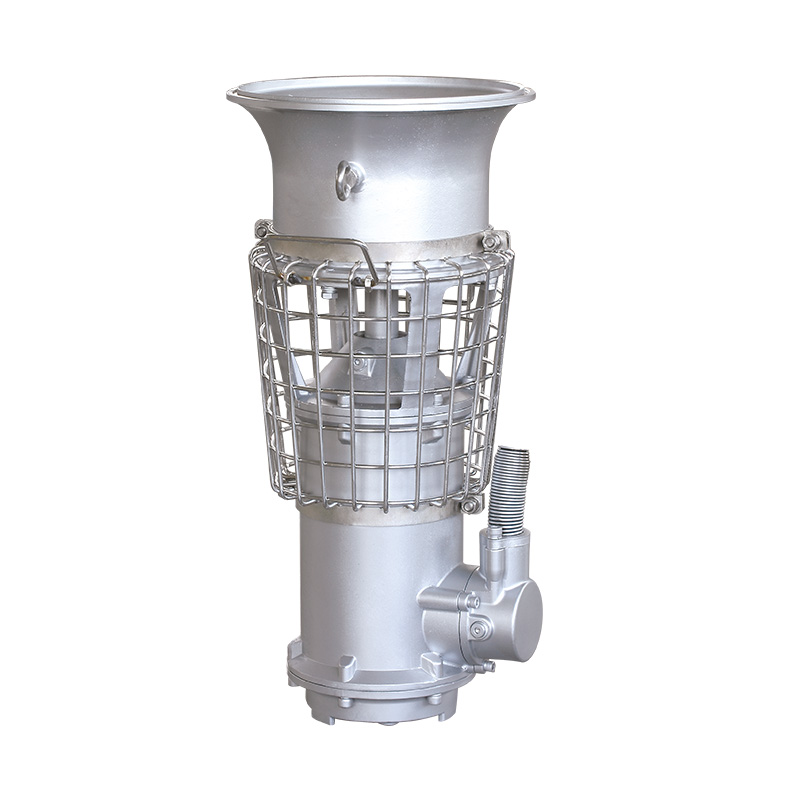
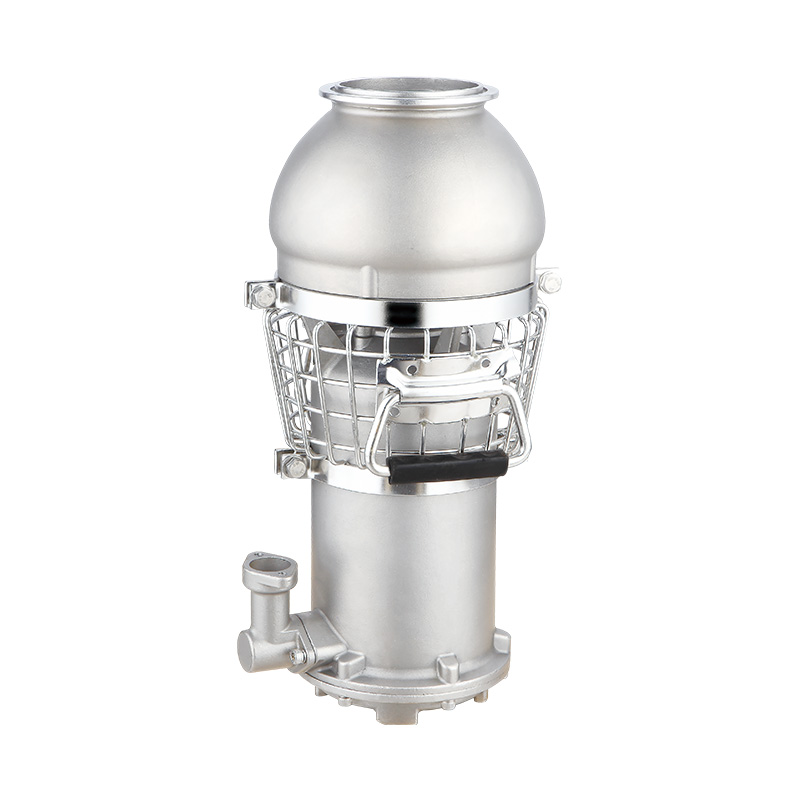
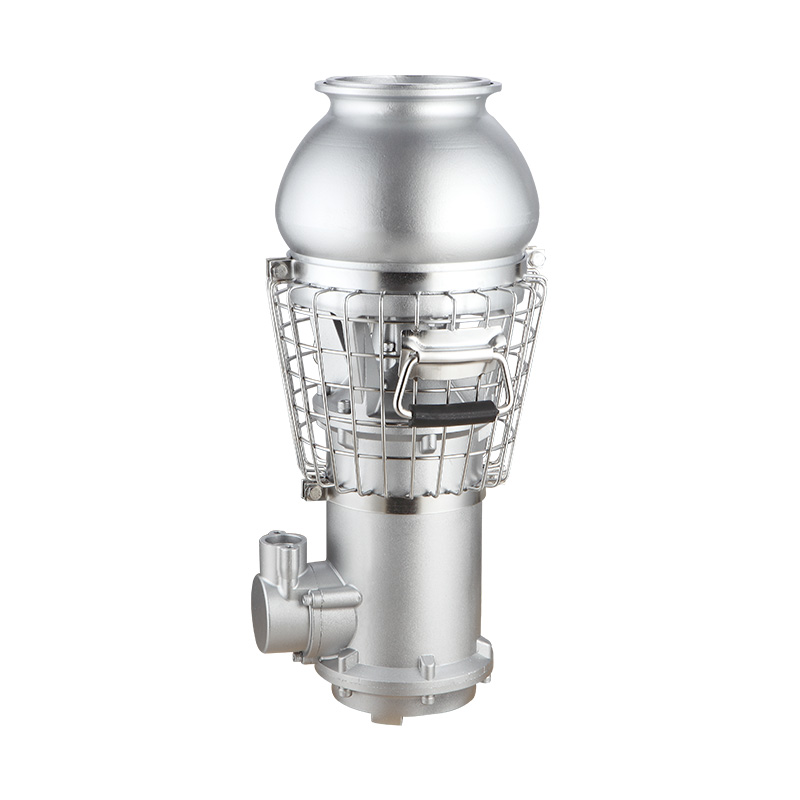
For organizations involved in water management, emergency drainage, and resilient infrastructure development, a Permanent Magnet Flood Control Pump offers a practical solution for supporting reliable operation while meeting modern efficiency expectations.



 English
 عربى
عربى
 简体中文
简体中文
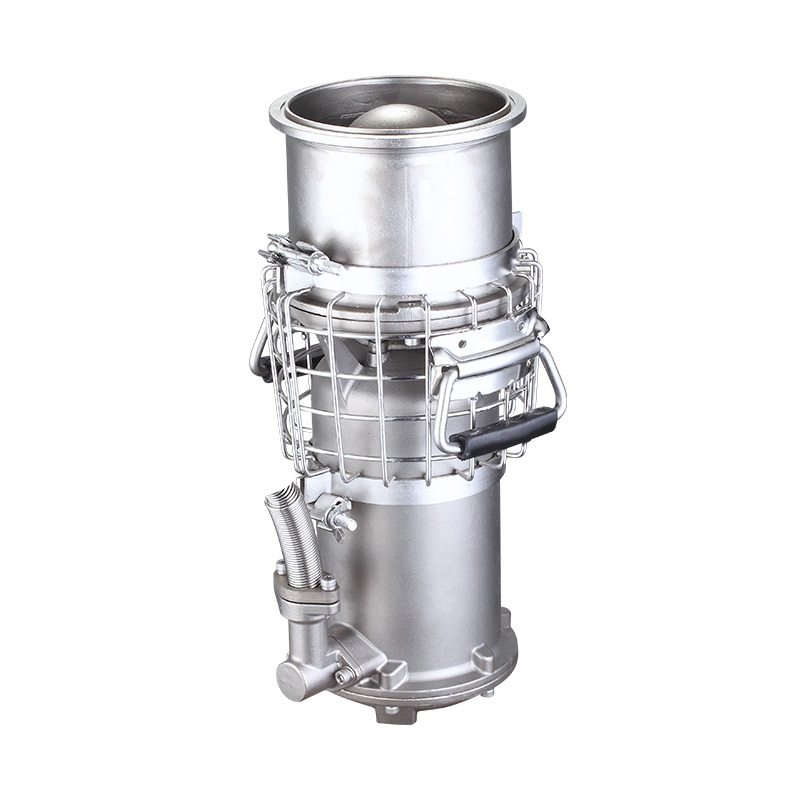
.jpg "DN200 Aluminum Alloy Flood Control Pump")